About the Author and Medical Reviewer
Learn more about the professionals responsible for writing and medically reviewing this article.

Alma Polyclinic Editorial Team
Medical Content Team at Alma Polyclinic
The Alma Polyclinic Editorial Team creates clear, patient-focused health content based on trusted medical sources and clinical guidance from our doctors.
View author profile
Dr. Tamara AK
General Dentist | Cosmetic & Aesthetic Dentistry at Alma Polyclinic
This article was reviewed for clinical accuracy, relevance and patient safety by Dr. Tamara AK.
View doctor profile12 Things to Avoid After Tooth Extraction: Complete Recovery Guide
Knowing the most important things to avoid after tooth extraction can help protect the blood clot, reduce unnecessary irritation, and lower the risk of complications such as dry socket. The first 24 to 72 hours are especially important because the extraction site is still in the early stages of healing.
What should you avoid after tooth extraction? Avoid smoking, vaping, drinking through straws, forceful rinsing, spitting, hard or crunchy foods, alcohol, strenuous exercise, and touching the extraction socket. You should also avoid medication mistakes and activities that may interfere with healing.
Some restrictions last only 24 hours, while others may continue for several days. The exact timing depends on whether you had a simple extraction, wisdom tooth removal, or surgical treatment. Always follow the instructions provided by your dentist or oral surgeon.
Things to Avoid After Tooth Extraction: Quick Checklist
The following table summarises the most common restrictions and when patients may be able to resume normal activities.
| What to Avoid | General Restriction | Why It Matters |
|---|---|---|
| Drinking through straws | At least 24 hours; longer if advised | Suction may disturb the blood clot. |
| Forceful rinsing or spitting | First 24 hours | Can disrupt early clot formation. |
| Smoking and vaping | At least 48 hours for smoking; ideally longer for both | May delay healing and increase complications. |
| Hard, crunchy, or sticky foods | During early recovery | Can irritate the socket or leave debris. |
| Very hot foods or drinks | Especially while numb and during early healing | May burn tissues or aggravate bleeding. |
| Alcohol | Usually 24–48 hours or longer if instructed | May interfere with healing or medication safety. |
| Strenuous exercise | At least 24 hours; often longer after surgery | May increase bleeding or throbbing. |
| Touching or picking the socket | Throughout healing | Can injure healing tissue. |
| Direct brushing or harsh mouthwash | Until approved by your dentist | Can disturb the healing area. |
| Unapproved medications or remedies | Throughout recovery | May cause side effects or complications. |
| Driving after sedation | Generally at least 24 hours | Sedation may impair judgment and coordination. |
| Ignoring worsening symptoms | Never | May delay treatment of a complication. |
Important: These timeframes are general guidance, not automatic permission to resume an activity. Follow your specific postoperative instructions, particularly if you have stitches, a bone graft, a medical condition, or a complicated extraction.
Why Is It Important to Protect the Blood Clot?
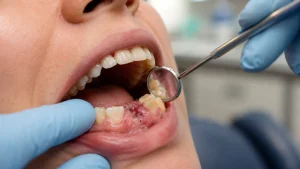
After a tooth is removed, a blood clot normally develops inside the empty socket. This clot helps control bleeding and protects the underlying bone and sensitive tissues while healing begins.
If the clot breaks down or becomes dislodged too early, the extraction socket may become painful and heal more slowly. One possible complication is dry socket (alveolar osteitis), which can cause intense pain several days after extraction.
Not every complication can be prevented, but avoiding unnecessary suction, pressure, smoking, and direct irritation helps protect the surgical area.
If you recently had a tooth removed, our first night after tooth extraction guide explains how to manage bleeding, discomfort, and sleep during the earliest stage of recovery.
12 Things You Should Not Do After Tooth Extraction
1. Do Not Drink Through a Straw
One of the most common things not to do after tooth extraction is drinking through a straw. The sucking action creates pressure changes inside the mouth that may disturb the protective blood clot.
Avoid using straws for smoothies, milkshakes, iced coffee, juices, and other drinks. The American Dental Association recommends avoiding straws for at least the first 24 hours, while your surgeon may recommend a longer restriction, particularly after a difficult extraction.
What to do instead: Drink water and other approved beverages gently from a regular cup. If you have difficulty drinking without a straw because of a medical condition or disability, ask your dental team for an individual solution.

2. Avoid Forceful Spitting and Rinsing
During the first 24 hours, do not rinse your mouth vigorously, gargle, or spit forcefully unless your dentist has given different instructions. These movements may disturb the clot and restart bleeding.
If you need to clear saliva from your mouth, allow it to fall gently into the sink rather than forcefully spitting.
After the first 24 hours, many patients can begin gentle warm saltwater rinses, especially after meals. However, the timing and technique depend on the procedure.
What to do instead: Follow your dentist’s rinsing instructions. When rinsing is permitted, move the liquid gently and allow it to drain from your mouth without force.
3. Do Not Smoke, Vape, or Use Tobacco Products
Smoking after tooth extraction increases the risk of delayed healing and dry socket. Smoking exposes the wound to heat and chemicals, while nicotine can reduce blood flow to healing tissues.
Vaping is not a safe alternative during extraction recovery. The inhaling action and exposure to aerosol can also interfere with healing.
You should also avoid placing chewing tobacco, nicotine pouches, or other oral tobacco products near the extraction site.
Some hospital guidelines recommend avoiding smoking for at least 48 hours, while others advise five to seven days or longer. Follow the period specified by your treating dentist and avoid smoking or vaping for as long as possible during healing.
What to do instead: If nicotine dependence makes this difficult, speak with your dentist, doctor, or pharmacist about suitable cessation support. Do not assume that smoking only one cigarette is risk-free.
4. Avoid Hard, Crunchy, Sticky, and Chewy Foods
Eating the wrong foods after an extraction can irritate the surgical area. Hard or sharp pieces may scrape the socket, while small fragments can become trapped near healing tissue.
Foods to avoid after tooth extraction include:
- Potato chips and hard crackers
- Popcorn and popcorn kernels
- Nuts, seeds, and granola
- Crusty bread and hard toast
- Sticky sweets and chewy candy
- Tough meat and dense bagels
- Foods that crumble into hard, sharp pieces
During early recovery, choose soft options such as scrambled eggs, mashed potatoes, yogurt, applesauce, soft vegetables, and comfortably warm soup.
For more options, explore our 50 soft foods to eat after tooth extraction or the guide to soft foods after dental surgery.
What to do instead: Eat small portions, chew away from the extraction site when possible, and introduce firmer foods gradually as your dentist permits.
5. Avoid Very Hot, Spicy, or Acidic Foods and Drinks
Very hot foods and drinks can burn your mouth while the local anaesthetic is still working. Heat may also make early discomfort or bleeding more noticeable.
Spicy or acidic foods may sting sensitive gum tissue during recovery.
Be cautious with:
- Steaming coffee and tea
- Very hot soup
- Hot sauce and chilli-heavy dishes
- Citrus juices that cause stinging
- Vinegar-heavy dressings
- Strongly seasoned foods that irritate the wound
Can you drink coffee after tooth extraction? Coffee is not automatically prohibited throughout recovery. However, avoid very hot coffee, do not use a straw, and follow any specific restrictions provided by your dentist. Consider decaffeinated or cooler alternatives if caffeine increases discomfort or disrupts your rest.
What to do instead: Choose cool or lukewarm drinks and mild, soft meals until eating becomes more comfortable.
6. Do Not Drink Alcohol During Early Recovery
Alcohol is another important item on the list of things to avoid after tooth extraction. It can irritate healing tissues and may interfere with medication safety.
Many postoperative instructions recommend avoiding alcohol for the first 24 to 48 hours. You may need to avoid it for longer if you have been prescribed certain painkillers, antibiotics, or sedating medications.
Do not combine alcohol with opioid pain medication or other sedating medicines.
What to do instead: Stay hydrated with water and other non-alcoholic drinks that do not irritate the extraction site.
7. Avoid Strenuous Exercise, Heavy Lifting, and Excessive Bending
Strenuous physical activity can increase blood pressure and may cause renewed bleeding, throbbing, or swelling around the extraction area.
Avoid running, weightlifting, high-intensity workouts, contact sports, and other demanding physical activities during the initial recovery period.
For straightforward extractions, at least 24 hours of avoiding strenuous exercise is commonly advised. Surgical extractions may require 48 to 72 hours or longer, depending on your dentist’s instructions.
What to do instead: Rest on the day of your procedure. Return to light activities gradually, and stop if you notice bleeding, throbbing, or increased discomfort.
8. Do Not Touch, Pick, or Inspect the Extraction Socket Repeatedly
It can be tempting to feel the empty socket with your tongue or inspect it in the mirror. However, repeated touching may irritate the wound and interfere with healing.
Never attempt to remove the blood clot, stitches, protective dressing, or material inside the socket.
Also avoid using:
- Fingernails or fingers
- Toothpicks or cotton swabs
- Sharp dental instruments
- Unapproved oral irrigation devices
If food becomes trapped near the extraction area, do not dig it out. Follow the cleaning instructions supplied by your dentist.
A temporary unpleasant taste may result from blood, medication, or food debris. Our article on bad taste in the mouth after tooth extraction explains when this symptom needs attention.
9. Avoid Brushing Directly Over the Wound or Using Harsh Mouthwash
Good oral hygiene remains important after extraction, but cleaning the surgical site too aggressively can cause irritation.
Do not scrub the empty socket with a toothbrush or use a water flosser directly inside it unless your dentist specifically instructs you to do so.
Alcohol-containing mouthwashes or aggressive swishing may also irritate healing tissues.
What to do instead: Continue gently cleaning unaffected teeth according to your discharge instructions. Many patients can resume careful cleaning near the area after the first 24 hours, but stitches, grafts, and surgical wounds may require different precautions.
If your dentist prescribes an antiseptic mouthwash, use it according to the prescribed timing and technique.
10. Avoid Medication Mistakes and Unapproved Home Remedies
Do not take more pain medication than the recommended or prescribed dose. Combining several products without checking their active ingredients can lead to accidental overdosing or harmful interactions.
Important precautions include:
- Do not exceed the recommended dose of painkillers.
- Do not start aspirin for postoperative pain unless a clinician advises it, because it may increase bleeding.
- Do not stop prescribed aspirin or blood thinners without medical advice.
- Do not use leftover antibiotics or someone else’s medication.
- Do not place aspirin tablets directly against the gums.
- Do not put alcohol, peroxide, essential oils, powders, or unapproved herbal remedies inside the socket.
If antibiotics were prescribed, follow your clinician’s instructions. Contact the prescriber promptly if you develop a possible medication reaction, and seek emergency care for symptoms of a severe allergic reaction.
What to do instead: Take approved medication on schedule and contact your dentist or pharmacist if pain remains uncontrolled or you are unsure about an interaction.

11. Do Not Drive or Operate Machinery After Sedation
If your tooth extraction involved intravenous sedation or general anaesthesia, your coordination, judgment, and reaction time may remain impaired even when you feel alert.
For at least 24 hours after sedation, patients are generally instructed not to:
- Drive a vehicle or ride a bicycle
- Operate machinery or hazardous equipment
- Drink alcohol
- Make important legal or financial decisions
- Take additional sedating medication without approval
General anaesthesia and certain medications may require longer restrictions. Arrange for a responsible adult to accompany you home and assist as instructed.
These restrictions differ from those for local anaesthesia alone. Always follow your discharge instructions.
12. Do Not Ignore Worsening Pain, Bleeding, or Swelling
Some bleeding, soreness, and swelling are common after tooth removal. However, symptoms that worsen instead of gradually improving should not be ignored.
Contact your dentist promptly if you experience:
- Severe or increasing pain several days after extraction
- Bleeding that does not settle with the recommended pressure method
- Swelling that continues to increase or spread
- Fever, chills, or feeling increasingly unwell
- Pus or persistent unusual drainage
- A foul taste or smell accompanied by worsening symptoms
- Increasing difficulty opening your mouth
Worsening pain may indicate dry socket or another complication, but the condition cannot be diagnosed from symptoms alone.
Our guide to bone infection symptoms after tooth extraction discusses concerning symptoms in more detail. You can also review our dental emergency guide for urgent dental problems.
Emergency warning: Seek immediate emergency medical attention if you have difficulty breathing or swallowing, rapidly spreading swelling involving the face or neck, or severe uncontrolled bleeding.
How Long Should You Avoid These Activities After Tooth Extraction?
Most early restrictions are designed to protect the blood clot during the first few days. As healing progresses, normal activities can gradually resume.
During the First 24 Hours
This is the most important period for protecting the clot. Avoid forceful rinsing, spitting, straws, smoking, alcohol, strenuous activity, and unnecessary contact with the socket.
Rest, follow the prescribed medication schedule, and eat soft foods once the local anaesthetic has worn off sufficiently for safe eating.
Between 24 and 72 Hours
Swelling and tenderness may become more noticeable before they improve. Continue avoiding smoking, vaping, difficult-to-chew foods, and activities that cause throbbing or bleeding.
Gentle rinsing and careful oral hygiene may begin according to your dentist’s instructions. Do not assume all restrictions end after the first day.
During the First Week
Many patients experience gradual improvements in soreness, swelling, and eating comfort. Continue to avoid foods or activities that put direct pressure on the socket.
Some surgical extractions, particularly impacted wisdom teeth, require a longer recovery period. Attend follow-up appointments when recommended and ask before restarting intense exercise or activities that may affect the wound.
What Should You Do Instead to Support Healing?
Successful tooth extraction aftercare is not only about avoiding certain activities. Gentle daily habits can support a more comfortable recovery.
| Avoid | Safer Alternative |
|---|---|
| Using a straw | Drink gently from a cup. |
| Eating chips or nuts | Choose mashed potatoes, yogurt, or soft eggs. |
| Vigorous rinsing | Use a gentle dentist-approved rinse when permitted. |
| Intense workouts | Rest and resume light activity gradually. |
| Touching the socket | Leave the area undisturbed. |
| Taking extra pain medication | Follow the approved dosing schedule. |
| Ignoring unusual symptoms | Contact your dental team for assessment. |
For nutritious meal ideas, see our 12 easy meals after dental surgery. Gradually increase food texture when comfortable and when your dentist allows it.

Special Precautions After Wisdom Tooth Removal or Surgical Extraction
Not all tooth extractions require the same recovery plan. A simple extraction may heal differently from the surgical removal of an impacted wisdom tooth.
If you had stitches, a membrane, or additional surgery, your dentist may recommend longer restrictions on eating, smoking, physical activity, and cleaning the surgical area.
Patients undergoing more complex procedures can learn about dental surgery at Alma Polyclinic, including treatment planning and postoperative care.
What if you had a bone graft after extraction?
A socket bone graft requires additional care to avoid disturbing graft particles, stitches, or a protective membrane.
Do not pull at the membrane, chew directly over the graft, or use unapproved irrigation devices. Follow your surgeon’s individual instructions, even when the gum surface appears healed.
Read our detailed guide to the tooth extraction and bone graft healing process for recovery stages and implant timing.
What if you take blood thinners or have a medical condition?
People taking anticoagulants, those with diabetes, and patients with certain medical conditions may need additional follow-up.
Never stop prescribed blood thinners or change your regular medications without advice from the relevant clinician. Contact your dental team if bleeding seems excessive or your recovery differs from what was expected.
What about children after tooth extraction?
Children may accidentally bite their lips, cheeks, or tongue while the mouth remains numb. Parents and caregivers should supervise eating, medication use, and activities after the procedure.
Age-appropriate aftercare may differ from adult instructions. Our pediatric dental care guide for parents in Dubai provides additional information.
Frequently Asked Questions About Things to Avoid After Tooth Extraction
What is the most important thing to avoid after tooth extraction?
The priority is to protect the blood clot and healing socket. Avoid smoking, drinking through straws, vigorous rinsing, forceful spitting, and touching the wound. Follow your dentist’s instructions because the required restrictions can differ between procedures.
Can I drink through a straw three days after tooth extraction?
Some patients may be allowed to use a straw after the initial recovery period, but timing varies. The American Dental Association recommends avoiding straws for at least 24 hours, and dentists may advise longer restrictions following surgical or complex extractions. Ask your treating dentist if you are uncertain.
How long should I avoid smoking after tooth extraction?
Some clinical instructions recommend a minimum of 48 hours, while others advise five to seven days or longer. Smoking can interfere with healing and increase the risk of dry socket. Avoid it for as long as possible and follow the timeframe set by your surgeon.
Can I drink coffee after tooth extraction?
Avoid very hot coffee, especially while your mouth is numb. Once drinking is comfortable and your dentist allows it, cooler coffee may be suitable. Do not drink it through a straw while suction restrictions remain in place.
What foods should I avoid after tooth extraction?
Avoid hard, crunchy, sticky, sharp, or difficult-to-chew foods such as nuts, chips, popcorn, crusty bread, and chewy sweets. Very hot or irritating foods may also cause discomfort. Choose soft meals and return to your normal diet gradually.
Can I exercise 48 hours after tooth extraction?
Some patients may resume light activity within 24 to 48 hours, but intense exercise may need to wait longer. Surgical extractions can require additional recovery time. Stop if activity causes bleeding, throbbing, or increasing pain, and follow your dentist’s advice.
Can I brush my teeth the day after extraction?
Usually, you can carefully clean your unaffected teeth and gradually resume brushing near the extraction area according to your postoperative instructions. Avoid scrubbing directly inside the socket or disturbing stitches and healing tissue.
What happens if I accidentally spit or use a straw?
One accidental action does not automatically mean the blood clot has been lost. Avoid repeating the activity and continue following your aftercare instructions. Contact your dentist if bleeding restarts, pain increases significantly, or other concerning symptoms appear.
How can I prevent dry socket after tooth extraction?
Follow your postoperative instructions, avoid smoking and vaping, do not disturb the socket, avoid straws during the restricted period, and use gentle oral hygiene when permitted. These precautions can reduce risks, but dry socket is not always preventable.
When should I contact my dentist after tooth extraction?
Contact your dentist promptly for severe or worsening pain, persistent bleeding, spreading swelling, fever, pus, or other unexpected symptoms. Difficulty breathing or swallowing, rapidly spreading neck or facial swelling, and severe uncontrolled bleeding require emergency medical attention.
Get Professional Tooth Extraction Aftercare in Dubai
Understanding the things to avoid after tooth extraction helps you take better care of the healing area. The most important steps are to protect the blood clot, choose gentle foods, maintain suitable oral hygiene, follow medication instructions, and seek advice when symptoms become concerning.
At Alma Polyclinic in Jumeirah, Dubai, patients can receive individual advice about tooth removal, surgical extractions, and recovery. Explore our tooth extraction services in Dubai for information about treatment options.
For complex surgical extractions or impacted wisdom teeth, you can learn more about Dr. Corentin Buron, Specialist Oral Surgeon and Implantologist.
If you are unsure whether your recovery is progressing normally, book a dental consultation at Alma Polyclinic for an individual assessment.
Medical disclaimer: This article provides general educational information and does not replace an examination, diagnosis, or personalised postoperative instructions from your dentist or oral surgeon.
Medical References
- American Dental Association — Tooth Extractions and Recovery Advice
- University College London Hospitals NHS — Dental Extraction Postoperative Instructions
- Cleveland Clinic — Tooth Extraction: Procedure and Healing
- Cleveland Clinic — Dry Socket: Causes, Symptoms and Prevention
- Guy’s and St Thomas’ NHS — Instructions After Anaesthetic or Sedation