
About the Author and Medical Reviewer
Learn more about the professionals responsible for writing and medically reviewing this article.

Alma Polyclinic Editorial Team
Medical Content Team at Alma Polyclinic
The Alma Polyclinic Editorial Team creates clear, patient-focused health content based on trusted medical sources and clinical guidance from our doctors.
View author profileBone infection after tooth extraction symptoms may include worsening deep jaw pain, increasing or spreading swelling, pus or unusual drainage, persistent bad taste or foul odor, fever, delayed healing and feeling generally unwell.
Some soreness, tenderness and swelling can occur during normal recovery after a tooth extraction. These symptoms do not automatically mean that the jawbone is infected. The more important question is whether your recovery is gradually improving or becoming worse.
A true infection involving bone tissue is called osteomyelitis. It cannot be diagnosed from symptoms or appearance alone. A dentist or clinician needs to assess the extraction socket, surrounding tissues and, when appropriate, use dental imaging or other tests.
If you develop rapidly spreading swelling, difficulty swallowing or difficulty breathing, seek urgent medical or emergency dental care.
When Should You Worry After a Tooth Extraction?
After an extraction, the direction of your symptoms is usually more useful than any single symptom. Normal healing should generally become more comfortable over time. Symptoms that intensify, spread or return after initial improvement deserve professional assessment.
Contact a dentist promptly if you notice:
- Increasing pain rather than gradual improvement
- Swelling that becomes larger or spreads into the cheek, jaw or face
- Pus or unusual drainage from the extraction site
- Persistent bad taste or foul odor
- Fever, chills or feeling generally unwell
- Increasing jaw stiffness or difficulty opening your mouth
- Delayed healing or symptoms returning after they had improved
If you are unsure whether your symptoms are normal, you can arrange an assessment at our dental clinic in Jumeirah, Dubai rather than attempting to diagnose the extraction socket yourself.
What Is a Bone Infection After Tooth Extraction?
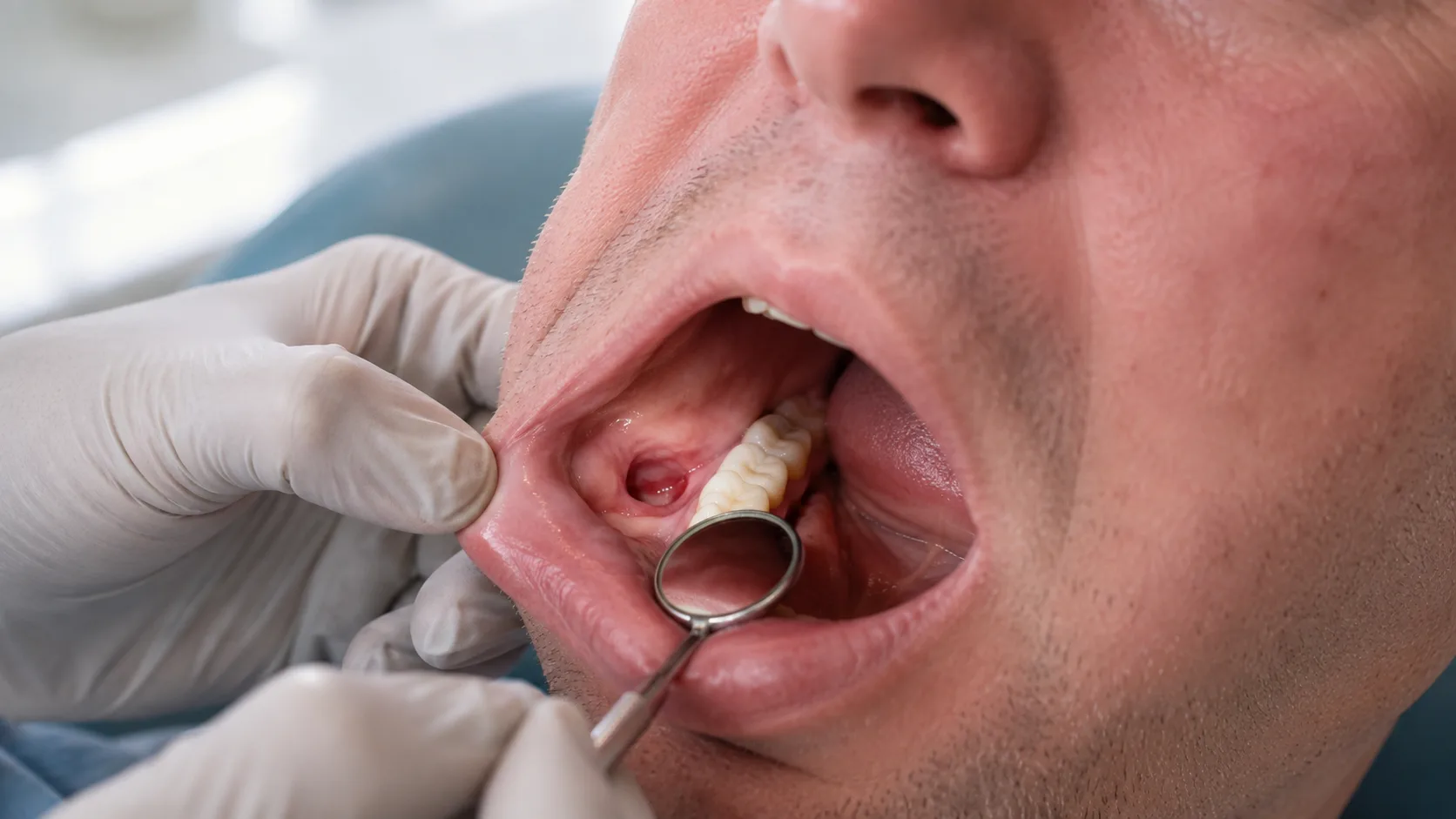
When a tooth is removed, a socket remains in the gum and jawbone where the tooth roots previously sat. A blood clot normally develops inside the socket and protects the area while the gum and underlying bone begin healing.
A post-extraction infection may develop when bacteria affect the socket or nearby soft tissues. In less common cases, infection can involve deeper structures, including the jawbone.
When bone itself becomes infected, the condition is known as osteomyelitis.
It is important not to assume that pain or an unusual-looking socket means bone infection. Dry socket, soft-tissue infection, trapped food, inflammation and normal healing can produce overlapping symptoms.
Normal Healing vs Possible Infection After Tooth Extraction
Normal extraction recovery is not symptom-free. Mild soreness, tenderness and swelling can occur during the early healing period.
| Symptom | More Consistent With Normal Healing | More Concerning |
|---|---|---|
| Pain | Gradually becomes easier to manage | Becomes stronger, deeper or returns after improvement |
| Swelling | Localized and gradually decreasing | Increasing or spreading into the face or neck |
| Extraction socket | Healing tissue without increasing irritation | Pus, persistent drainage or worsening inflammation |
| Taste or odor | Mild temporary taste changes | Persistent foul taste or strong unpleasant odor |
| General health | Otherwise feeling well | Fever, chills, weakness or feeling increasingly ill |
If the extraction was performed because of severe decay or dental infection, follow-up is particularly important when symptoms do not improve as expected.
Key Bone Infection After Tooth Extraction Symptoms
Persistent or Worsening Deep Jaw Pain
Pain after tooth extraction should usually become more manageable as healing progresses. Pain deserves further evaluation when it becomes increasingly intense, feels deep inside the jaw, returns after initially improving or radiates toward nearby teeth, the ear, cheek or surrounding facial area.
Severe pain does not automatically mean osteomyelitis. Dry socket, inflammation, retained debris and soft-tissue infection can produce similar symptoms.
Increasing or Spreading Swelling
Some localized swelling can occur after an extraction. More concerning swelling is swelling that continues to increase, becomes firm or extends beyond the immediate extraction site.
Contact a dental professional if swelling begins spreading into the cheek, jawline or face, especially when accompanied by pain, fever, drainage or increasing difficulty opening your mouth.
Swelling that spreads rapidly toward the neck or affects swallowing or breathing requires urgent assessment.
Pus, Drainage, Bad Taste or Foul Smell
Pus or unusual drainage from an extraction socket can be a warning sign of infection. A persistent foul taste or unpleasant smell can also be concerning when it occurs with pain, swelling, redness or fever.
However, not everything visible inside a socket is pus. Healing tissue, clot material and food debris can look unusual.
Do not scrape, probe or dig inside the socket. If you notice persistent drainage or foul taste, let a dentist examine the area.
Fever, Chills or Feeling Generally Unwell
Symptoms affecting your overall health are more concerning than soreness limited to the extraction site.
Fever, chills, unusual fatigue or feeling increasingly unwell alongside dental pain or swelling should prompt professional evaluation.
Difficulty Opening the Mouth
Jaw stiffness can sometimes occur after a difficult dental procedure. However, increasing difficulty opening your mouth together with swelling, fever or worsening pain should be assessed.
Difficulty Swallowing or Breathing
Difficulty swallowing or breathing is an emergency warning sign.
These symptoms may indicate that swelling or infection is affecting areas beyond the extraction socket. Do not wait for a routine appointment if breathing or swallowing is impaired.
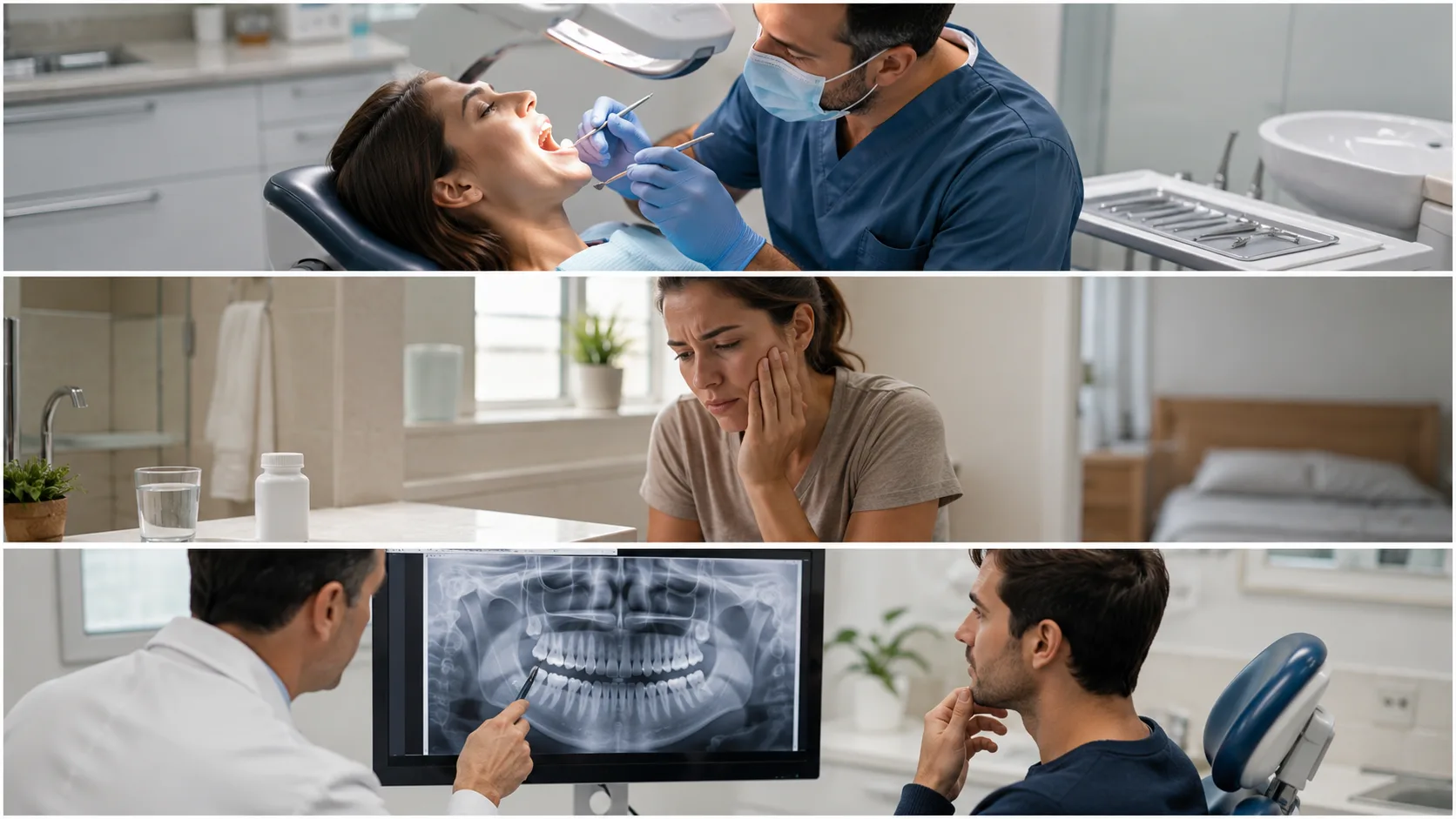
Delayed Healing or Symptoms That Return
A recovery that initially improves and then becomes worse deserves attention.
Contact your dentist if pain, swelling, drainage, bleeding or bad taste returns after the extraction site appeared to be healing normally.
Dry Socket vs Infection vs Bone Infection
Dry socket, soft-tissue infection and deeper bone infection can share symptoms, but they are different conditions and may require different treatment.
| Condition | Main Problem | Possible Clues |
|---|---|---|
| Dry Socket | Disruption or loss of the protective clot | Significant pain, often worsening after extraction |
| Soft-Tissue Infection | Bacterial infection involving gum or socket tissues | Swelling, tenderness, drainage, foul taste or odor |
| Possible Bone Infection | Infection involving deeper jawbone tissue | Persistent deep pain, delayed healing and other infection signs requiring clinical assessment |
Dry socket does not automatically mean infection, and severe pain does not automatically mean a jawbone infection. Examination is necessary to identify the cause.
Could the Tooth Have Been Saved Before Extraction?
Not every damaged or infected tooth has to be extracted. Depending on the condition of the tooth, the amount of remaining healthy structure and the extent of infection, root canal treatment in Dubai may sometimes be considered to remove infected or inflamed pulp while preserving the natural tooth.
At Alma Polyclinic, Dr. Marc Habib, Specialist Endodontist, provides assessment and endodontic treatment for teeth that may require root canal therapy.
After root canal treatment, some weakened teeth may also require additional protection with a dental crown in Dubai, depending on the location of the tooth and the amount of healthy tooth structure that remains.
If an extraction has already been completed, these treatments are not alternatives for the missing tooth itself, but they are useful considerations when evaluating other damaged teeth in the future.
What Can Increase the Risk of Infection After Tooth Extraction?
Complex or Surgical Extraction
Surgical extractions and difficult wisdom tooth removals can involve more tissue manipulation than straightforward extractions and may require closer follow-up.
Existing Dental Infection
If the tooth or surrounding tissue was already infected before extraction, your dentist may provide specific instructions for monitoring the site afterward.
Medical Conditions That Affect Healing
Some health conditions can influence immune response and healing. These may include diabetes, immune suppression and other conditions that affect recovery.
Tell your dentist about relevant medical conditions and medications before treatment.
Smoking and Tobacco Use
Smoking and tobacco use can interfere with oral healing and may increase the likelihood of post-extraction complications.
Disturbing the Extraction Socket
Forceful rinsing, aggressive spitting, probing the socket or disturbing the clot can interfere with normal healing.
How Does a Dentist Diagnose a Suspected Bone Infection?
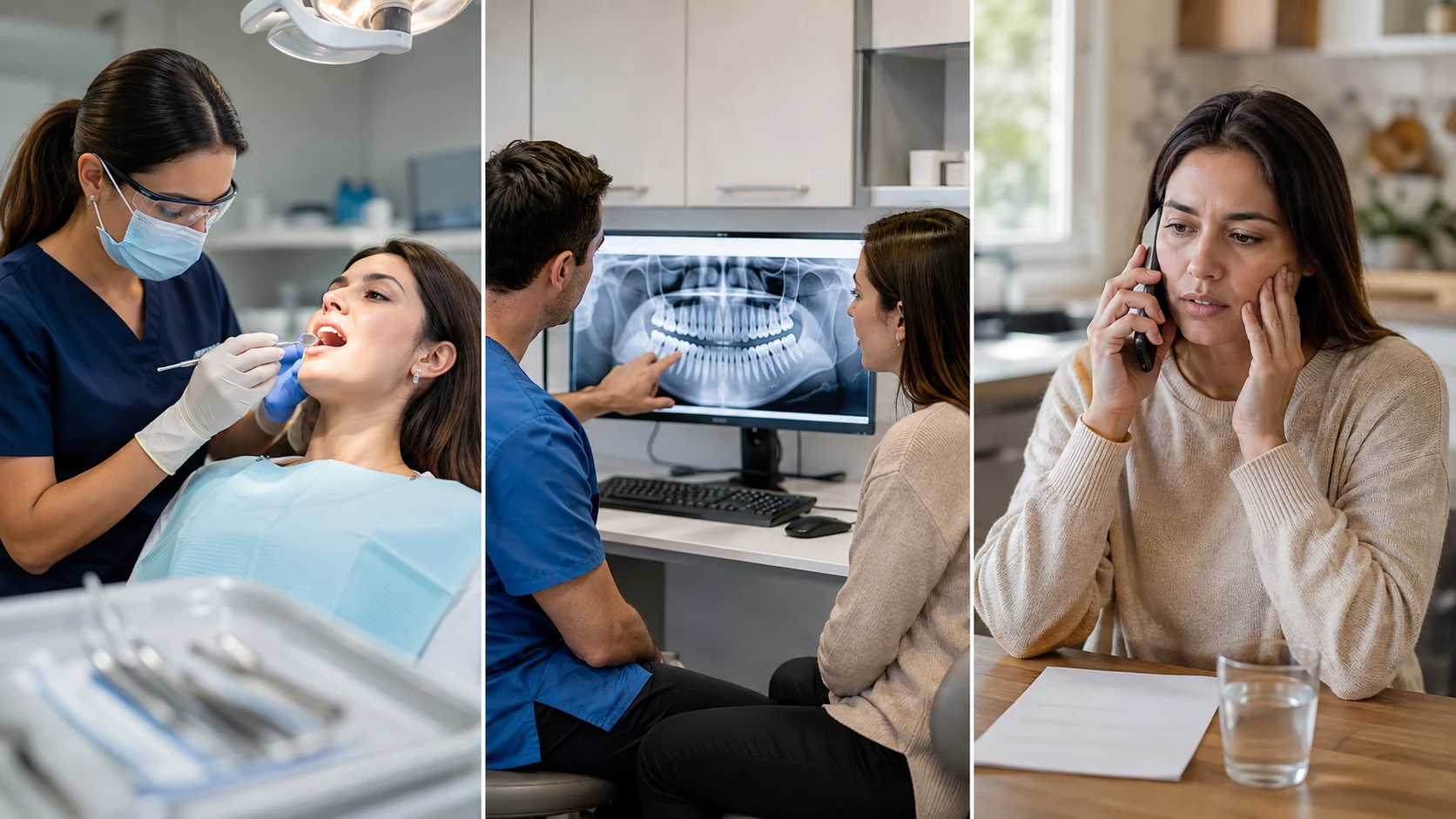
Clinical Examination
The dentist first examines the socket and surrounding tissues. They may look for swelling, redness, tenderness, drainage, odor, food debris and signs that healing is not progressing normally.
They may also ask about:
- When the symptoms started
- Whether symptoms are improving or worsening
- Whether pain has returned after improvement
- Whether you have fever or chills
- Whether swelling is spreading
- Your medical history and medications
Dental Imaging
When deeper infection or bone involvement is suspected, dental X-rays or other imaging may be considered to evaluate the jawbone and surrounding structures.
Not every painful extraction site needs advanced imaging. The decision depends on the clinical findings and symptom pattern.
How Is Infection After Tooth Extraction Treated?
Treatment depends on what is causing the symptoms. Dry socket, trapped debris, soft-tissue infection and deeper infection are not managed in exactly the same way.
Cleaning the Extraction Site
A dentist may clean the socket or remove trapped material when necessary.
Avoid attempting deep cleaning yourself because scraping or aggressive rinsing can irritate healing tissues.
Antibiotics When Clinically Indicated
Antibiotics may be prescribed when a bacterial infection is suspected or confirmed and a clinician determines that medication is appropriate.
Do not take leftover antibiotics or medication prescribed for another person.
Treatment for Deeper Infection
If deeper or persistent infection is suspected, additional dental or surgical management and closer monitoring may be required.
More serious infections may require coordination between dental and medical professionals.
What Happens After the Extraction Site Heals?
When a permanent tooth has been removed, your dentist may later discuss whether replacing the missing tooth is appropriate. The timing depends on healing, the condition of the jawbone and whether infection has fully resolved.
One possible replacement option is dental implants in Dubai. A dental implant is placed in the jawbone and can support a replacement tooth after appropriate healing and treatment planning.
Implant treatment should not be rushed while an active infection is present. Your dentist will determine when the extraction area is sufficiently healthy for replacement planning.
What Should You Do If You Think You Have a Bone Infection?
Step 1: Check for Emergency Warning Signs
Seek urgent or emergency care if you have:
- Difficulty breathing
- Difficulty swallowing
- Rapidly spreading swelling in the face or neck
- Severe systemic illness
- Confusion or significant weakness
Step 2: Contact Your Dentist for Worsening Symptoms
Call your dentist or oral surgeon promptly if you have increasing pain, swelling, pus, drainage, persistent foul taste, fever or delayed healing.
If your dental office is closed, review our guide to dental emergencies and severe tooth pain and seek appropriate urgent care if symptoms are severe or spreading.
Step 3: Avoid Self-Treatment
- Do not probe or scrape inside the socket.
- Do not take leftover antibiotics.
- Do not repeatedly rinse the area aggressively.
- Do not assume temporary pain relief means the problem is resolved.
- Do not delay treatment if swelling is spreading or you feel increasingly unwell.
How to Support Healing After Tooth Extraction
Follow the instructions given by your dentist because aftercare can vary depending on the extraction and your medical history.
- Take prescribed medications exactly as directed.
- Keep the rest of your mouth clean while treating the socket gently.
- Follow your dentist’s instructions about brushing and rinsing.
- Avoid smoking and tobacco while the area heals.
- Avoid chewing directly on the extraction site until advised otherwise.
- Attend scheduled follow-up appointments.
- Contact the clinic if pain, swelling, drainage or fever becomes worse.
If you are deciding whether a severely damaged tooth may be saved or removed, read our detailed comparison of root canal vs tooth extraction.
Frequently Asked Questions
How do I know if I have a bone infection after tooth extraction?
You cannot confirm a bone infection from symptoms alone. Concerning signs can include worsening deep jaw pain, increasing swelling, pus or drainage, persistent foul taste or odor, fever and delayed healing. A dentist needs to examine the area and may recommend imaging when bone involvement is suspected.
Is severe pain after tooth extraction always a bone infection?
No. Severe pain can also occur with dry socket, soft-tissue infection, retained debris or other healing complications. Severe or worsening pain should be assessed so the cause can be identified.
What does infection after tooth extraction feel like?
Possible symptoms include increasing or throbbing pain, swelling, tenderness, warmth, drainage, bad taste or foul odor. Fever, chills and feeling generally unwell may occur in more concerning cases.
When should I worry about swelling after tooth extraction?
Swelling is more concerning when it keeps increasing, spreads into the face or neck or occurs with fever, drainage, severe pain or difficulty swallowing or breathing.
Can a tooth extraction infection go away on its own?
Do not rely on a suspected infection resolving without assessment. Worsening pain, swelling, drainage, fever or delayed healing should be evaluated by a dental professional.
Can antibiotics treat a bone infection after tooth extraction?
Antibiotics may be part of treatment when bacterial infection is suspected or confirmed, but other treatment may also be necessary. The appropriate plan depends on examination findings, severity and whether deeper structures are involved.
What is the difference between dry socket and infection?
Dry socket is mainly a problem involving the protective clot and socket healing. Infection involves bacteria affecting tissues and may produce swelling, drainage, fever, foul odor or systemic symptoms.
Should I go to the emergency room for an infection after tooth extraction?
Seek emergency care if you develop difficulty breathing or swallowing, rapidly spreading swelling, neck swelling, severe systemic illness, confusion or significant weakness. For concerning symptoms without these emergency warning signs, contact your dentist promptly.
Book a Dental Assessment in Dubai
If pain, swelling, drainage, bad taste or other symptoms are becoming worse instead of improving after tooth extraction, a professional dental examination can help determine whether you are experiencing normal healing, dry socket, soft-tissue infection or another complication.
At Alma Polyclinic in Jumeirah, patients can receive a dental assessment and, where appropriate, be directed to the relevant treatment or dental specialist. If the concern involves an infected tooth that may still be preserved, Dr. Marc Habib provides specialist endodontic assessment and root canal treatment in Dubai.
Medical note: This article provides general educational information and cannot diagnose a bone infection or replace an examination by a dentist, oral surgeon or medical professional.