About the Author and Medical Reviewer
Learn more about the professionals responsible for writing and medically reviewing this article.

Alma Polyclinic Editorial Team
Medical Content Team at Alma Polyclinic
The Alma Polyclinic Editorial Team creates clear, patient-focused health content based on trusted medical sources and clinical guidance from our doctors.
View author profile
Dr. Tamara AK
General Dentist | Cosmetic & Aesthetic Dentistry at Alma Polyclinic
This article was reviewed for clinical accuracy, relevance and patient safety by Dr. Tamara AK.
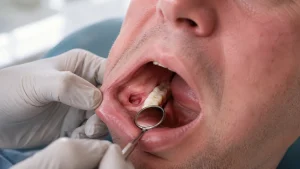
View doctor profileChoosing suitable soft foods after dental surgery can make eating more comfortable when your mouth is sore, swollen or sensitive. Whether you have undergone dental surgery in Dubai, tooth extraction, wisdom tooth removal, dental implant placement or gum surgery, the goal is to maintain hydration and nutrition without irritating the treated area.
This guide provides general meal ideas and recovery tips. It does not replace the post-operative instructions provided by your dentist or oral surgeon. If your personal instructions differ from anything in this guide, always follow the advice of your dental team.
Soft Foods After Dental Surgery at a Glance
| Recovery Stage | Better Choices | Foods to Avoid |
|---|---|---|
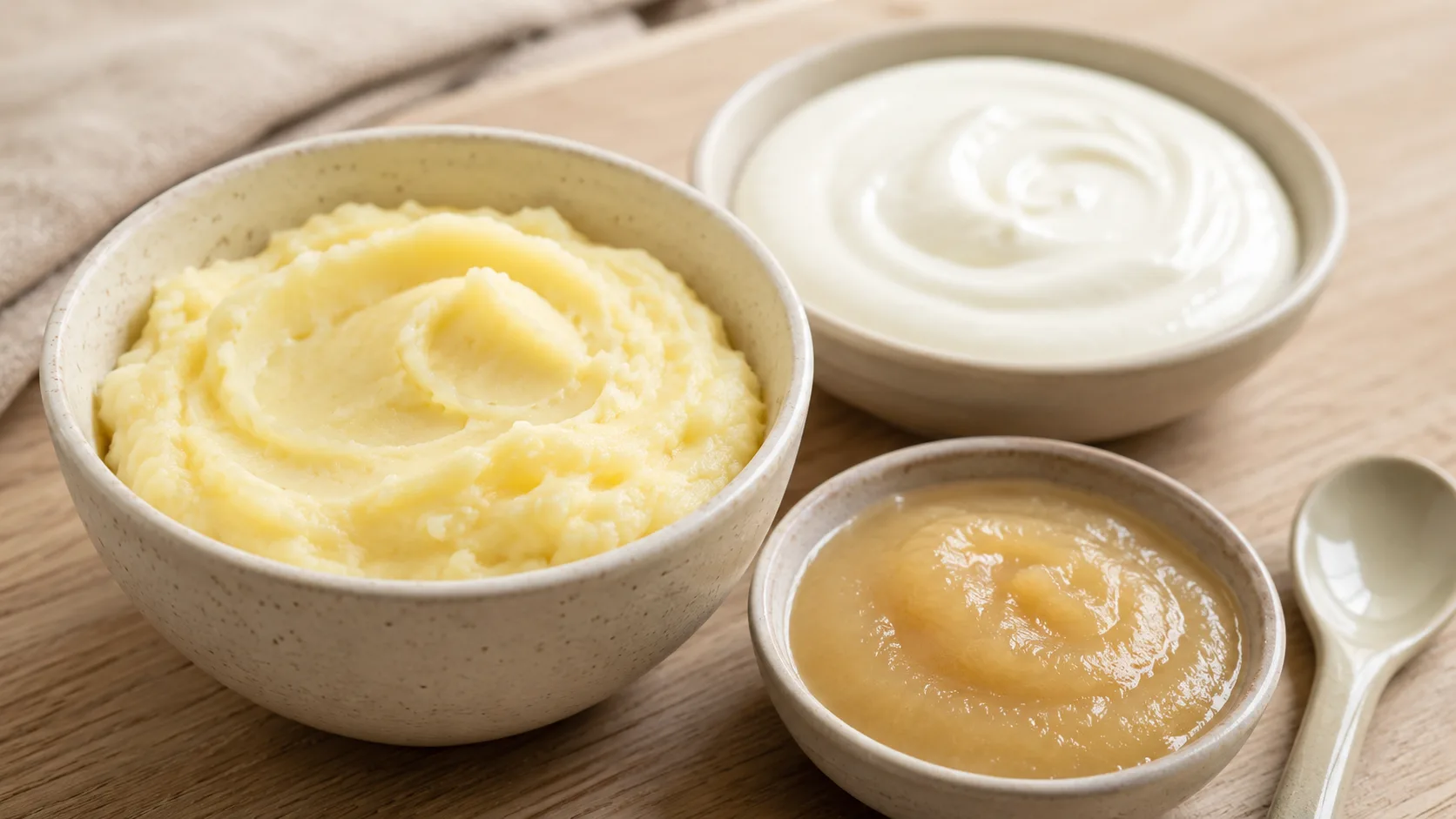
| First day | Smooth yogurt, applesauce, pudding, mashed potatoes, pureed soup and approved drinks | Very hot, crunchy, spicy, sticky or seedy foods |
| Early recovery | Scrambled eggs, oatmeal, mashed vegetables, soft tofu and smooth hummus | Chips, nuts, popcorn, crusty bread and tough meat |
| As chewing improves | Soft pasta, flaky fish, tender vegetables, cottage cheese and soft grains if permitted | Foods that cause pain, pressure, bleeding or irritation |
| Return to normal foods | Add texture gradually according to comfort and your dentist’s instructions | Do not return suddenly to hard or difficult-to-chew foods |
Why Soft Foods Matter After Dental Surgery
How Soft Foods Support a More Comfortable Recovery
After dental surgery, chewing may be difficult because of soreness, swelling, tenderness or limited jaw movement. Soft foods require less chewing and are easier to control inside the mouth, reducing unnecessary pressure on the treated area.
Choosing suitable foods can also help you maintain fluid, calorie and protein intake when your appetite is lower than usual. This may be particularly important if you are taking medication that must be taken with food.
Texture matters as much as softness. A food may appear soft but still contain seeds, skins, hard pieces, sharp edges or crumbs that can irritate tender tissue. Smooth, mashed, blended or spoonable foods are generally easier during the early stage of recovery.
Why Your Dentist’s Instructions Come First
Eating restrictions vary according to the procedure. Aftercare following tooth extraction may differ from instructions after dental implant placement, gum grafting or more extensive oral surgery.
Your dental team may provide specific guidance about:
- When you can begin eating
- Which food textures are suitable
- Which side of your mouth to use for chewing
- Whether you should avoid straws
- When and how to rinse your mouth
- How to clean around the surgical area
- How to take prescribed medication
- When you can return to your normal diet
If you are uncertain whether a particular food is suitable, contact your dental clinic before trying it.
How to Choose the Best Soft Foods After Dental Surgery
Choose Foods That Are Smooth and Easy to Swallow
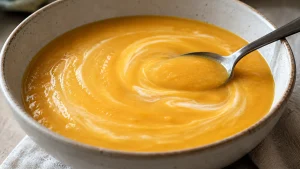
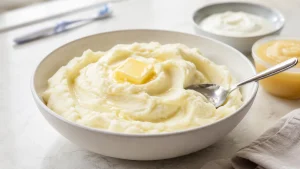
The best foods after oral surgery require little or no chewing. Smooth yogurt, applesauce, mashed potatoes, pureed soup, soft scrambled eggs and creamy oatmeal are common examples.
A simple test is whether the food can be mashed easily with a fork and swallowed comfortably in small spoonfuls. Avoid hidden hard pieces such as nuts in ice cream, granola in yogurt, fruit seeds in smoothies or crusty edges on otherwise soft bread.
You can adapt many foods by:
- Blending soups until completely smooth
- Mashing vegetables, beans or potatoes thoroughly
- Adding broth, milk, sauce or gravy to dry foods
- Straining smoothies and purees to remove seeds or skins
- Cutting tender foods into small pieces when chewing becomes comfortable
Prioritize Protein, Fluids and Balanced Nutrition
Ice cream, pudding and sweet drinks may feel comfortable, but they should not be the only foods in your recovery diet. Include nutrient-dense options whenever possible.
Soft protein sources may include:
- Smooth Greek yogurt
- Soft scrambled eggs
- Soft tofu
- Cottage cheese
- Pureed beans
- Smooth hummus
- Flaky fish when chewing is permitted
- Protein or meal-replacement drinks when appropriate
Soft fruits, vegetables and grains can make meals more balanced. Mashed banana, avocado, pureed vegetables, oatmeal, mashed sweet potatoes and blended soups are useful options.
If your appetite is low, eat smaller amounts more frequently instead of trying to finish a large meal.
Pay Attention to Temperature and Seasoning
Avoid very hot foods and drinks during the early stage of recovery, especially while your mouth is still numb. Hot temperatures may cause discomfort and make it difficult to notice accidental burns.
Cool, room-temperature or comfortably warm foods are usually easier to manage. Some patients find yogurt, applesauce or smooth cold desserts soothing, while others are sensitive to cold temperatures.
Keep flavors mild at first. Spicy foods, acidic sauces and citrus-heavy drinks may sting sensitive tissue. Reintroduce stronger flavors only when they feel comfortable and do not conflict with your dentist’s instructions.
Soft Food Ideas for the First Day After Dental Surgery
Smooth Foods That Require Minimal Chewing
The first day usually calls for the gentlest textures. Follow your dental team’s procedure-specific instructions, particularly if you have had an extraction, implant placement or gum surgery.
Suitable options may include:
- Applesauce
- Plain or smooth yogurt without crunchy toppings
- Pudding or custard
- Smooth mashed potatoes
- Pureed soup served at a safe temperature
- Gelatin or another soft dessert if tolerated
- Mashed banana
- Smooth avocado
Choose foods without chunks, seeds, skins or crumbs. If necessary, blend and strain the food before eating.
Drinkable Options for Hydration
Keeping hydrated is important during recovery. Take small sips of water as permitted by your post-operative instructions.
Suitable drinkable options may include:
- Water
- Milk or a fortified dairy alternative
- Seed-free smoothies
- Meal-replacement drinks when appropriate
- Broth served at a comfortable temperature
If you have undergone tooth extraction or wisdom tooth removal, do not drink through a straw unless your dentist or oral surgeon has confirmed that it is safe. Suction can disturb the blood clot that protects the extraction site.
How to Make First-Day Meals Easier
Use a spoon and take small portions. Avoid biting directly into food, and pause if your jaw becomes tired or uncomfortable.

Allow warm foods to cool before eating. If your clinician advised you to chew on the opposite side, follow that instruction and avoid placing pressure on the surgical area.
Do not touch the treated area with your fingers, utensils or tongue. Follow your dental team’s instructions for brushing and rinsing after meals.
Soft Foods to Add as Chewing Becomes More Comfortable
Protein-Rich Soft Foods
As soreness decreases, you may be able to introduce more filling foods. Choose moist options that do not require forceful biting or prolonged chewing.
- Soft scrambled eggs
- Soft tofu
- Flaky fish when permitted
- Cottage cheese
- Smooth hummus
- Greek yogurt without toppings
- Mashed or pureed beans
If chewing is still difficult, blend protein foods into soups, sauces or purees.
Soft Grains and Starches
Soft grains and starches can make meals more satisfying, but small particles may be unsuitable for some surgical sites. Follow your dentist’s advice if you have had an extraction or gum procedure.
- Creamy oatmeal or cream of wheat
- Soft rice or risotto when permitted
- Pasta cooked until very soft
- Mashed potatoes or sweet potatoes
- Polenta or grits
- Soft pancakes without crisp edges
Add broth, milk, sauce or gravy to keep these foods moist. Dry or sticky textures may be harder to manage.
Soft Fruits and Vegetables
Fruits and vegetables can be included when they are ripe, cooked, mashed or pureed. Avoid tough skins, seeds, fibrous pieces and raw crunch during early recovery.
- Mashed banana
- Avocado
- Steamed and mashed carrots
- Pureed vegetables
- Smooth fruit purees
- Soft canned peaches or pears without skins
If a puree contains seeds, skins or coarse fibers, strain it or choose a smoother alternative.
Simple Soft Meal Combinations
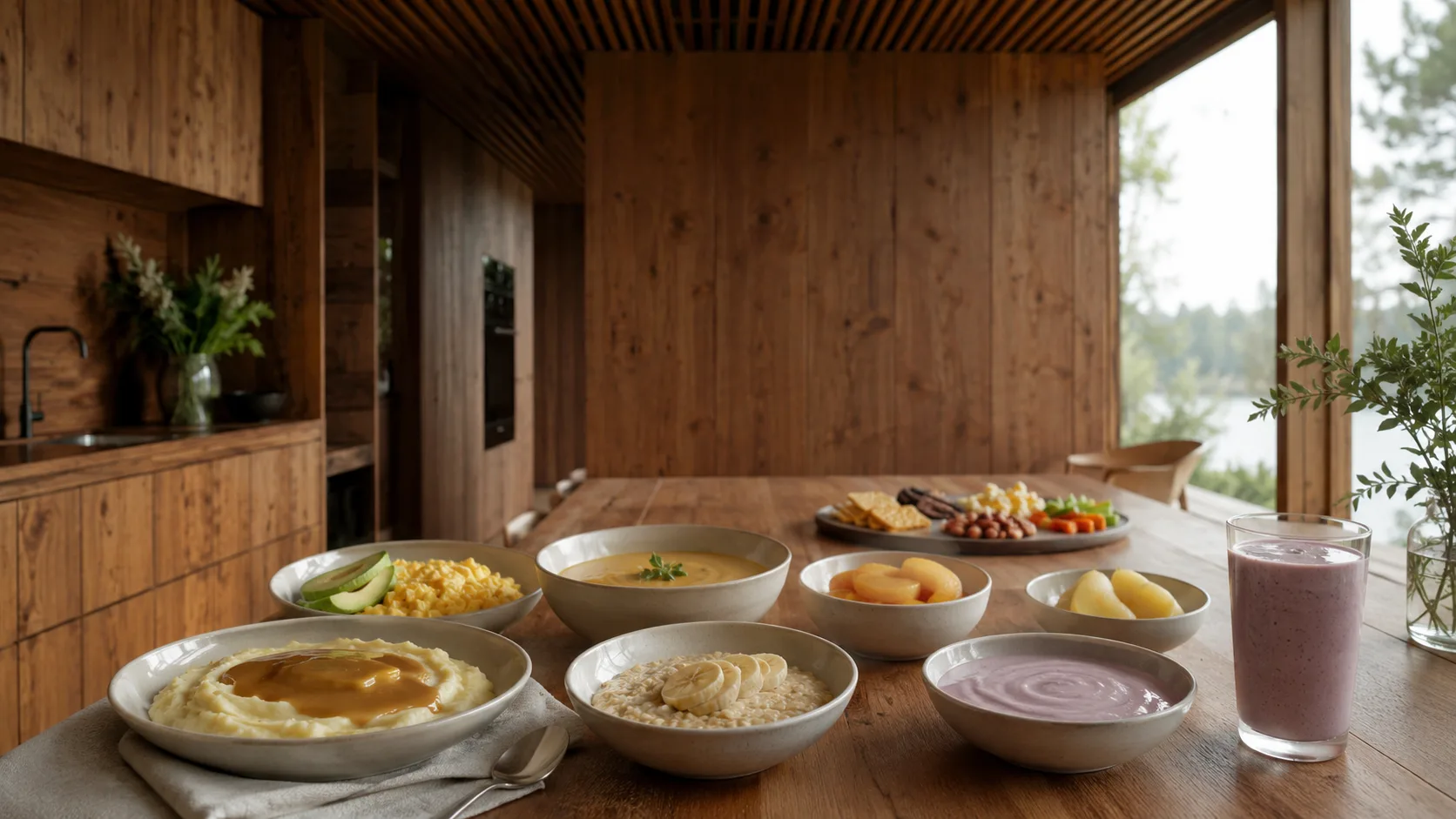
- Mashed potatoes with smooth gravy and soft protein
- Scrambled eggs with avocado
- Pureed vegetable soup with blended beans
- Soft pasta with a mild sauce
- Creamy oatmeal with mashed banana
- Smooth yogurt with fruit puree
- Polenta with soft tofu and smooth sauce
Keep the texture consistent. A soft meal can still be uncomfortable if it contains one hard, crunchy or sharp ingredient.
Foods and Habits to Avoid After Dental Surgery
Hard, Crunchy or Sharp Foods
Hard foods require stronger chewing and may scrape tender tissue or break into particles that are difficult to clear.
- Chips
- Crackers
- Nuts
- Popcorn
- Hard or crusty bread
- Raw crunchy vegetables
- Hard candy
- Foods with sharp edges
Sticky, Chewy or Tough Foods
Sticky and chewy foods may pull against healing tissue and require prolonged chewing.
- Caramel and sticky sweets
- Chewy bread or bagels
- Tough meat
- Chewing gum
- Dense foods that require forceful biting
Foods with Small Particles
Some foods are soft but may still leave small particles near the surgical area.
- Seeds
- Granola
- Crumbly biscuits
- Foods with skins or hulls
- Small grains if they irritate the treated area
- Fruit purees containing seeds
If a food repeatedly leaves particles behind, return to smoother options and clean your mouth only as directed by your dentist.
Irritating Drinks, Temperatures and Seasonings
Use caution with:
- Very hot food or drinks
- Spicy food that causes stinging
- Acidic food or drinks that irritate the area
- Alcohol when restricted by your dentist or medication instructions
- Carbonated drinks when restricted after your procedure
- Straws after tooth extraction or when specifically prohibited
If you have been prescribed medication, follow all instructions relating to food, alcohol and timing.
Sample Soft Food Meal Plan
Breakfast Ideas
- Smooth oatmeal thinned with milk or water
- Greek yogurt with mashed banana
- Soft scrambled eggs
- A seed-free smoothie
- Cream of wheat or another smooth cereal
Lunch Ideas
- Pureed vegetable soup
- Mashed sweet potato with soft tofu
- Soft pasta with mild sauce
- Cottage cheese with soft fruit puree
- Smooth hummus with a soft accompaniment when permitted
Dinner Ideas
- Mashed potatoes with flaky fish or tofu
- Pureed bean soup
- Risotto cooked until very soft
- Soft scrambled eggs with avocado
- Polenta with a smooth sauce
Snack Ideas
- Applesauce
- Pudding
- Smooth yogurt
- Protein or meal-replacement drink
- Soft fruit puree
- Mashed avocado
Small snacks can help when eating a full meal feels difficult. Choose options that contribute fluids, calories or protein rather than relying only on sweet desserts.
How to Prepare Soft Foods
Blend, Mash or Thin the Food
Preparation can turn many regular foods into suitable recovery meals.
- Blend soups until smooth.
- Mash vegetables and beans thoroughly.
- Add broth, milk, sauce or gravy to dry foods.
- Strain foods to remove seeds, skins and fibers.
- Check for hard pieces before serving.
A blender, food processor, fine strainer, potato masher or immersion blender can make preparation easier.
Cook Foods Until Tender
Cook grains with extra liquid until creamy. Steam vegetables until they can be mashed easily with a fork. Cook pasta softer than usual and serve it with a smooth, mild sauce.
Moist cooking methods are generally easier than frying, hard roasting or grilling. Remove crisp edges and keep meals moist with broth or sauce.
Serve Small, Manageable Portions
Large meals may feel overwhelming when your mouth is sore. Small bowls and frequent meals can be easier than three full plates.
You can prepare food before your procedure by freezing smooth soups, portioning mashed vegetables and keeping yogurt, applesauce and suitable drinks available.
Eating Tips for a More Comfortable Recovery
Eat Slowly and Take Small Bites
Take small spoonfuls and pause between bites. Stop eating if discomfort increases, and return to the meal later if necessary.
If your dentist recommends chewing on a particular side, follow that advice. Do not test the surgical area with your tongue, fingers or utensils.
Stay Hydrated
If chewing is difficult, focus on approved fluids and smooth nutrition. Water, milk, fortified dairy alternatives, broth and suitable nutritional drinks may help maintain your intake.
Contact your dental clinic if you cannot drink enough, feel lightheaded, experience persistent nausea or cannot take prescribed medication as directed.
Prepare Before Your Procedure
Shopping before surgery makes recovery easier. Useful items may include:
- Yogurt, applesauce and pudding
- Smooth soups and broth
- Eggs, tofu and cottage cheese
- Oatmeal and cream of wheat
- Potatoes and sweet potatoes
- Bananas and avocados
- Milk or fortified dairy alternatives
- Seed-free smoothie ingredients
- Small bowls, spoons and storage containers
When Can You Return to Normal Foods?
Signs You May Be Ready for Firmer Foods
There is no universal timeline for returning to a normal diet. It depends on the type of surgery, the location of the treated area and your individual healing.
You may be ready to add more texture when:
- Chewing feels more comfortable
- Swelling and tenderness are improving
- Food does not irritate the surgical area
- You have not been instructed to avoid that texture
- Your dentist has confirmed that recovery is progressing normally
Add texture gradually rather than moving directly from pureed food to chips, nuts, crusty bread or tough meat.
Foods to Reintroduce Gradually
- Soft sandwiches without hard crusts
- Tender cooked vegetables
- Soft cooked grains
- Tender protein foods
- Soft pasta or casseroles without crunchy toppings
What If a Food Causes Pain or Irritation?
If a food causes pain, pressure, stinging, bleeding or irritation, stop eating it and return to softer options. Try the food again only when it seems appropriate and your post-operative instructions permit it.
If you think food is trapped near the surgical area, do not dig at it with your fingers or another object. Rinse or clean the area only as directed by your dentist.
Soft Foods for Different Dental Procedures
After Tooth Extraction or Wisdom Teeth Removal
Soft foods after tooth extraction or wisdom teeth removal should be chosen according to your procedure-specific instructions. Smooth foods requiring little chewing are usually easier during early recovery.
Avoid seeds, popcorn, granola, crumbs and other particles that may collect near the extraction site. Do not use a straw unless your dentist or oral surgeon has confirmed that it is safe, and avoid forceful rinsing or spitting during the period specified in your aftercare instructions.
After Dental Implant Surgery
After dental implant surgery, follow the implant-specific instructions provided by your dental team. You may be advised not to chew directly over the implant site during early healing.

Smooth yogurt, scrambled eggs, soft tofu, pureed soup, mashed vegetables and suitable nutritional drinks may help you maintain your intake. Ask when firmer foods can be introduced and whether any chewing restrictions apply.
After Gum Surgery or Grafting
Gum tissue may be particularly sensitive after surgery or grafting. Avoid foods that scrape, stretch or irritate the treated area.
Smooth foods without seeds, skins or rough textures are generally easier to manage. Follow your dentist’s specific instructions for brushing, rinsing and cleaning around the surgical site.
Quick Guide: Is This Food Suitable?
| Question | Why It Matters | Safer Choice |
|---|---|---|
| Can it be mashed easily with a fork? | Less chewing places less pressure on a sore mouth. | Choose mashed, blended or spoonable foods. |
| Does it contain seeds, skins, crumbs or sharp pieces? | Small particles may irritate the treated area. | Blend, strain or select a smoother alternative. |
| Is it very hot? | Heat may cause discomfort and can be unsafe while the mouth is numb. | Allow food to cool before eating. |
| Does it require firm biting? | Strong biting may increase discomfort. | Wait until chewing becomes easier. |
| Could it collect near the surgical site? | Particles may be difficult to remove safely. | Avoid crumbly, seedy or grainy foods when necessary. |
| Does it conflict with your dentist’s instructions? | Personalized instructions take priority over general guidance. | Do not eat it until your dental team confirms it is suitable. |
| Does it provide fluids, protein or useful nutrition? | Recovery foods should help maintain your overall intake. | Choose nutrient-dense foods when possible. |
Warning Signs: When to Contact Your Dentist
Some discomfort and swelling may occur after dental surgery, but symptoms should generally follow the recovery pattern explained by your dentist or oral surgeon.
Contact your dental clinic if you experience:
- Pain that becomes worse instead of improving
- Bleeding that is heavy, persistent or concerning
- Increasing swelling
- Fever, drainage or a persistent unpleasant taste
- Difficulty drinking enough fluids
- Food trapped near the surgical site that cannot be managed as instructed
- Persistent nausea or vomiting
- Difficulty taking prescribed medication
- Any symptom identified as a warning sign in your post-operative instructions
If you experience severe or rapidly worsening symptoms, contact your dentist or seek appropriate emergency dental care without waiting for a routine follow-up.
Use your dental team’s instructions as your main guide, prepare several smooth and protein-rich foods before your procedure and return to normal textures gradually. If you are uncertain about a food, symptom or oral hygiene step, contact your dentist or oral surgeon for personalized advice.
Frequently Asked Questions About Soft Foods After Dental Surgery
What Are the Best Soft Foods After Dental Surgery?
The best soft foods after dental surgery are smooth, moist and easy to swallow. Suitable options may include yogurt, applesauce, mashed potatoes, scrambled eggs, pureed soup, creamy oatmeal, avocado and seed-free smoothies.
Avoid crunchy toppings, seeds, skins and hard pieces. Always follow the food list provided by your dental team when available.
How Long Should I Eat Soft Foods After Dental Surgery?
The required duration depends on the procedure and your individual healing. Remain on soft foods while chewing causes pain or irritation, and return to firmer foods gradually according to your dentist’s instructions.
Can I Eat Pasta After Dental Surgery?
Pasta may be suitable when it is cooked until very soft and served with a smooth, mild sauce. Small pasta shapes or noodles cut into manageable pieces may be easier to eat.
Do not eat pasta if chewing remains uncomfortable or if small pieces collect near the surgical area.
Can I Eat Rice After Dental Surgery?
Rice may be unsuitable during early recovery because individual grains can collect near some surgical sites. If your dentist permits rice, choose soft rice or risotto and eat slowly.
If grains irritate the area or are difficult to clear, return to smoother foods.
Are Smoothies Good After Dental Surgery?
Smoothies can support hydration and nutrition without requiring much chewing. They should be smooth and free from seeds, nuts, granola, skins and other coarse ingredients.
If you have been instructed not to use a straw, drink the smoothie from a cup or use another method approved by your dental team.
Can I Eat Ice Cream After Dental Surgery?
Smooth cold foods may feel soothing for some patients. If you choose ice cream, select a smooth variety without nuts, chocolate chips, candy pieces or other hard additions.
Avoid it if cold temperatures cause sensitivity or if your dietary or post-operative instructions recommend another option.
What Foods Should I Avoid After Dental Surgery?
Avoid hard, crunchy, sticky, chewy and particle-producing foods during early recovery. Examples include chips, nuts, popcorn, granola, crackers, crusty bread, chewing gum, sticky sweets, seeds and tough meat.
Very hot, spicy or acidic foods may also irritate sensitive tissue. Follow any additional restrictions provided by your dentist or medication instructions.
What Should I Do If I Cannot Eat Much After Dental Surgery?
Try small, frequent meals instead of large portions. Yogurt, pureed soup, mashed vegetables and approved nutritional drinks may be easier when chewing is difficult.
Focus on hydration and contact your dental clinic if you cannot drink enough fluids, your food intake remains very low, nausea continues or medication-related problems prevent you from eating.