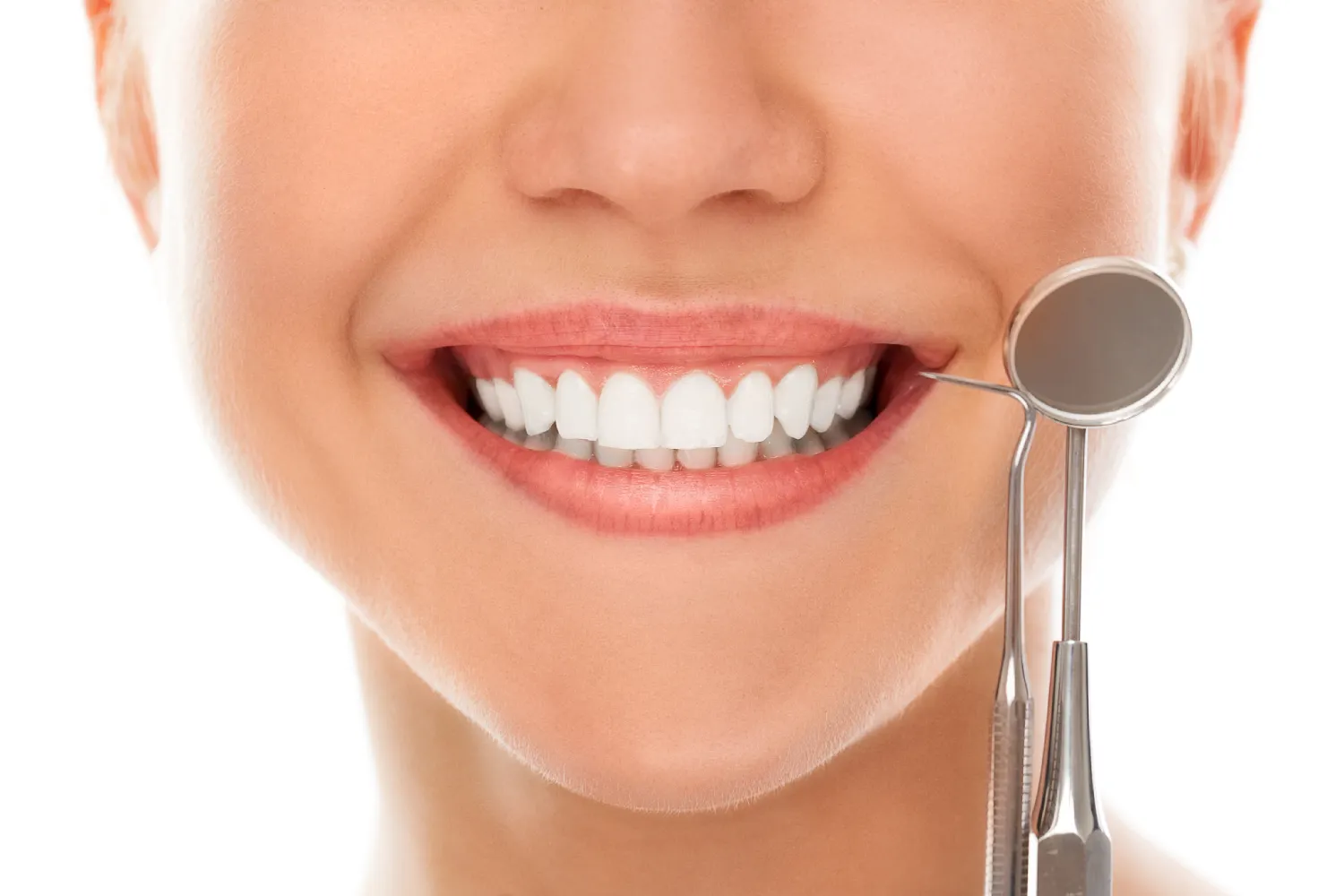
Teeth cleaning in Dubai helps remove plaque, hardened tartar and some surface stains that daily brushing cannot fully clear. At Alma Polyclinic in Umm Suqeim, a dental professional checks your teeth and gums before recommending the type of cleaning you need. If your main concern is tooth colour, compare cleaning with professional teeth whitening in Dubai and read our guide to brushing and whitening routines.
Routine scaling and polishing can support gum health and make teeth feel cleaner. However, cleaning does not change the natural shade of enamel. Deep cleaning for gum disease is also a different treatment, so the right approach starts with an assessment.
What Is Professional Teeth Cleaning?
Professional dental cleaning, often called scaling and polishing, removes deposits from tooth surfaces and near the gum line. Plaque is a soft film of bacteria. If it remains on teeth, minerals in saliva can turn it into hard tartar, also called calculus. A toothbrush cannot remove hardened deposits effectively.
Your dentist or dental hygienist chooses suitable instruments for your teeth and gum condition. Some people need a routine cleaning, while others require a closer periodontal examination.
What Happens During a Teeth Cleaning Appointment?
1. Teeth and Gum Assessment
First, the dental professional checks plaque, tartar, bleeding, gum inflammation and other concerns. They may recommend additional tests if they suspect gum disease.
2. Dental Scaling
Next, appropriate instruments remove tartar and plaque deposits. Ultrasonic devices may use water and vibration to loosen deposits. Hand instruments can help clean selected areas.
3. Teeth Polishing
Polishing may help reduce some surface stains and smooth accessible tooth surfaces. The clinician selects the method based on the condition of your teeth, restorations and gums.
4. Personalised Home-Care Advice
Before you leave, the dental professional reviews your brushing and interdental cleaning habits. They also recommend an appropriate return interval based on your gum health.
Teeth Scaling and Polishing vs Deep Cleaning
Routine teeth scaling and polishing focuses on removing deposits when a standard hygiene visit is appropriate. Deep dental cleaning, also called scaling and root planing, treats deposits below the gum line in selected patients with periodontal disease. It may need local anaesthetic, separate visits and follow-up gum measurements.
Bleeding gums, persistent bad breath, gum recession or loose teeth can indicate that a routine clean alone will not resolve the problem. Your dentist should examine the gums before deciding on the treatment.
What Are the Benefits of Dental Cleaning?
Professional cleaning helps remove deposits associated with gum irritation and inflammation. It can reduce some surface staining and support fresher breath when plaque contributes to the problem.
However, cleaning cannot reverse all causes of bad breath, repair tooth decay or replace treatment for advanced gum disease. Good daily hygiene remains essential between appointments.
Does Teeth Cleaning Hurt or Damage Enamel?
Routine cleaning is generally manageable. You may notice sensitivity around exposed roots, inflamed gums or areas with heavy tartar deposits. The clinician can adjust the technique and discuss comfort measures where needed.
When carried out appropriately, professional scaling is intended to remove deposits rather than healthy enamel. Nevertheless, existing sensitivity or gum problems may affect how the appointment feels. Tell the dental professional about any pain.
How Much Does Teeth Cleaning Cost in Dubai?
Teeth cleaning cost in Dubai varies with the examination, amount of tartar, selected cleaning method and whether gum treatment is necessary. A basic scale and polish is different from periodontal deep cleaning, which can involve additional appointments.
Request a personalised estimate before treatment. Ask whether the quoted fee includes an oral examination, any X-rays, scaling, polishing and follow-up care. Check your own policy if you intend to claim through dental insurance.
How Often Should You Have Your Teeth Cleaned?
Some patients benefit from a six-month review, but there is no ideal interval for everyone. The right timing depends on gum health, plaque buildup, oral hygiene, medical factors and previous periodontal disease.
A dental professional may recommend more frequent care if tartar builds up quickly or gum inflammation continues. Others may need a different recall interval after assessment.
Teeth Cleaning vs Whitening: What Is the Difference?
Cleaning removes plaque, tartar and some outside stains. Whitening uses suitable dental whitening products to lighten the colour of natural teeth. As a result, cleaning might make teeth look fresher without changing their underlying enamel shade.
If you want a brighter shade beyond surface stain removal, ask whether teeth whitening treatment is suitable. If you have restorations, your dentist should also explain that crowns and veneers do not whiten like natural teeth.
Aftercare Following Scaling and Polishing
Brush twice a day with fluoride toothpaste and clean between your teeth daily. Some mild tenderness or sensitivity can occur after a cleaning, especially when gums were inflamed. Follow the advice given at your appointment.
Contact the clinic if swelling, significant bleeding or pain develops or persists. For everyday cleaning and stain concerns, you can also review our guide to maintaining your smile.
Book Teeth Cleaning in Umm Suqeim, Dubai
Alma Polyclinic is located at Villa 1033, Al Wasl Road, opposite Union Coop in Umm Suqeim. Our dental team can assess your teeth and gums, explain whether routine cleaning or more detailed periodontal care is appropriate and provide an individual cost estimate. Book a dental hygiene consultation to get started.