
About the Author and Medical Reviewer
Learn more about the professionals responsible for writing and medically reviewing this article.

Alma Polyclinic Editorial Team
Medical Content Team at Alma Polyclinic
The Alma Polyclinic Editorial Team creates clear, patient-focused health content based on trusted medical sources and clinical guidance from our doctors.
View author profile
Dr. Homa Shahakbari
Founder & CEO | Cosmetic & General Dentist at Alma Polyclinic
This article was reviewed for clinical accuracy, relevance and patient safety by Dr. Homa Shahakbari.
View doctor profileA bad taste in mouth after tooth extraction can happen during recovery and does not always mean something is wrong. Blood, healing fluids, food debris, medications and changes in oral hygiene can all temporarily affect the way your mouth tastes.
However, a persistent foul or rotten taste—especially when combined with worsening pain, increasing swelling, pus-like discharge, fever or bad breath—may indicate a complication that should be checked by a dentist.
The important thing is not the taste alone, but the complete pattern of symptoms and whether your recovery is gradually improving or getting worse.
Is a Bad Taste After Tooth Extraction Normal?
A mild unusual taste can occur during the first stages of healing. Small amounts of blood can produce a metallic or salty taste, while medications, mouth rinses and changes in your diet may cause a bitter or chemical taste.
A temporary taste change is generally less concerning when pain and swelling are also improving and there are no other warning signs.
You should pay closer attention if the taste becomes increasingly foul, persistent or drainage-like, or if new symptoms develop after your extraction.
Common Causes of a Bad Taste in Mouth After Tooth Extraction
1. Blood and Normal Healing Fluids
Blood has a naturally metallic or salty taste. Even a small amount of blood mixed with saliva can create a noticeable taste after an extraction.
This should gradually improve as bleeding settles and the socket continues to heal. Contact your dentist if bleeding remains heavy, repeatedly restarts or does not improve as expected.
2. Food Trapped Near the Extraction Socket
Food particles can sometimes collect around the extraction site, particularly when eating foods that are crumbly, sticky or difficult to clean away. Trapped food may lead to a bad taste, unpleasant odor or bad breath.
Do not poke, scrape or dig inside the socket with a toothpick, cotton swab or other object. Follow the cleaning instructions given by your dentist. If food remains trapped despite approved aftercare, contact the clinic for advice.
3. Medication or Mouth Rinse
Antibiotics, pain medications, antiseptic mouth rinses and other products used after dental treatment can sometimes change your sense of taste.
If you notice that the taste begins shortly after taking a specific medication or using a rinse, make a note of the timing. Do not stop or change prescribed medication without speaking to the prescribing dentist, doctor or pharmacist.
4. Dry Socket
Dry socket is a possible complication following tooth extraction. A bad taste or unpleasant odor may occur, but one of the more important warning signs is significant pain that becomes worse instead of gradually improving.
The pain may also radiate toward the jaw, ear or surrounding area. If you have a foul taste together with severe or worsening pain, contact your dentist rather than trying to inspect or clean deep inside the socket yourself.
5. Infection
A foul or rotten taste can sometimes be associated with infection, particularly when accompanied by pus-like drainage, increasing swelling, fever, worsening pain, bad breath or feeling generally unwell.
A bad taste alone does not confirm infection. However, when several of these symptoms occur together, the extraction site should be professionally assessed.
If swelling is rapidly spreading or you develop difficulty breathing or swallowing, seek urgent medical or emergency dental care.

Bad Taste After Wisdom Tooth Extraction
A bad taste can also occur after wisdom tooth extraction. Wisdom tooth sockets are located farther back in the mouth and may be more difficult to keep clean during recovery, making food accumulation and unpleasant taste more noticeable.
Follow the specific cleaning and rinsing instructions provided by your dentist or oral surgeon. Avoid aggressively irrigating or probing the area unless you have been specifically instructed to use a particular cleaning method.
How to Tell Whether the Taste Is More Concerning
| Symptom | Usually Less Concerning | More Concerning |
|---|---|---|
| Taste | Mild, occasional and gradually improving | Foul, rotten, persistent or becoming worse |
| Pain | Gradually decreasing | Severe, worsening or returning after improvement |
| Swelling | Stable or decreasing | Increasing or spreading facial swelling |
| Drainage | No pus-like discharge | Pus-like or foul-smelling drainage |
| General health | No fever and otherwise feeling well | Fever, chills or feeling increasingly unwell |
This comparison cannot diagnose the cause of your symptoms, but it can help you decide when professional advice is appropriate.
What to Do at Home If the Bad Taste Is Mild
If the taste is mild, improving and not accompanied by significant pain, fever, swelling or discharge, continue following the aftercare instructions provided by your dentist.
- Keep your mouth clean: Brush the rest of your teeth normally while being gentle around the extraction site.
- Follow rinsing instructions: If your dentist has advised rinsing, do it gently rather than forcefully swishing or spitting.
- Stay hydrated: Drinking water can help prevent dry mouth and reduce stale or unpleasant taste.
- Choose suitable foods: Soft foods that are less likely to become trapped around the socket are usually easier during early recovery.
- Avoid disturbing the socket: Do not scrape, probe or use suction to clean inside the extraction site.
- Take medication as directed: Do not change prescribed medication simply because it causes an unpleasant taste.
What Should You Avoid After Tooth Extraction?
Protecting the blood clot and healing tissues is important after extraction. Follow your dentist’s specific instructions regarding smoking, vaping, drinking through straws, alcohol, vigorous rinsing, strenuous exercise and hard or crunchy foods.
You should also avoid repeatedly touching or inspecting the extraction socket. Normal healing tissue can look unusual, and trying to examine the area yourself may irritate the tissues without providing a reliable diagnosis.
When Should You Call Your Dentist?
Contact your dentist if the bad taste is persistent, increasingly foul or accompanied by worsening pain, increasing swelling, pus-like drainage, fever, persistent bleeding, strong bad breath or difficulty opening your mouth.
Pain that initially improves and then becomes significantly worse also deserves attention because it may be associated with dry socket or another post-extraction problem.
You do not need to wait until symptoms become severe. If your recovery does not feel consistent with the instructions you were given, contacting your dental team is appropriate.
When Is It an Emergency?
Seek urgent medical or emergency dental care if you develop difficulty breathing, difficulty swallowing, rapidly spreading swelling, severe facial swelling or a rapidly worsening general condition.
These symptoms should not be managed only with home care.
What Your Dentist May Check
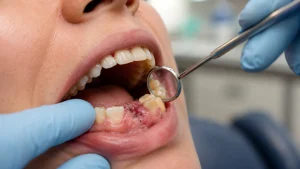
During a follow-up appointment, your dentist may examine the extraction socket, surrounding gums and nearby teeth. They may check for trapped debris, inflammation, drainage, healing problems or signs of dry socket or infection.
Treatment depends on what is causing the bad taste. The area may simply need professional cleaning or updated aftercare instructions. Other cases may require treatment for dry socket, medication review or management of an infection.
Professional examination is more reliable than trying to diagnose the condition by looking into or touching the socket yourself.

How to Reduce Bad Taste During Tooth Extraction Recovery
Good oral hygiene and careful aftercare can reduce unpleasant taste during healing. Keep the rest of your mouth clean, follow your dentist’s rinsing instructions and avoid foods or habits that irritate the socket.
If you smoke or vape, follow the restrictions provided by your dentist because these habits may interfere with normal healing.
If you are deciding between saving a tooth and removing it, you can also read our guide comparing root canal vs tooth extraction.
Frequently Asked Questions
Is a bad taste in my mouth normal after tooth extraction?
It can be. Small amounts of blood, healing fluids, food particles, medication and changes in oral hygiene can temporarily affect taste. A taste that is gradually improving without worsening pain, swelling or fever is generally less concerning.
Why does my mouth taste metallic after tooth extraction?
A metallic taste often comes from a small amount of blood mixing with saliva. Some medications and mouth rinses can also cause a metallic taste.
Does a foul taste after tooth extraction mean infection?
Not necessarily. Food debris, medications and healing changes can also create an unpleasant taste. Infection becomes more concerning when the foul taste is accompanied by increasing swelling, fever, pus-like drainage, worsening pain or feeling unwell.
Can dry socket cause a bad taste?
Dry socket can sometimes be associated with an unpleasant taste or odor. Significant or worsening pain is usually a more important warning sign and should be assessed by a dentist.
What should I do if food gets stuck near the extraction socket?
Do not pick or scrape inside the socket. Follow the cleaning instructions provided by your dentist. If food remains trapped or symptoms worsen, contact the dental office for advice.
Can antibiotics cause a bad taste after tooth extraction?
Yes, some antibiotics and other medications can alter taste. Do not stop prescribed antibiotics without professional advice.
How long should a bad taste last after tooth extraction?
There is no single timeline because the cause matters. A mild taste related to blood or early healing should generally improve as recovery progresses. A persistent or worsening foul taste should be discussed with your dentist.
When should I call the dentist about a bad taste after extraction?
Call if the taste is worsening or persistent, particularly when it occurs with increasing pain, swelling, fever, pus-like drainage, bad odor, continued bleeding or difficulty opening your mouth.
Final Thoughts
A bad taste in mouth after tooth extraction is not automatically a sign of infection or dry socket. Mild metallic, salty or unusual tastes can occur during normal healing because of blood, food debris, medication or changes in oral hygiene.
What matters most is how your symptoms develop. If the taste becomes foul or persistent, or you develop worsening pain, swelling, fever or discharge, contact your dentist for an assessment. If breathing, swallowing or rapidly spreading swelling becomes a problem, seek urgent care.