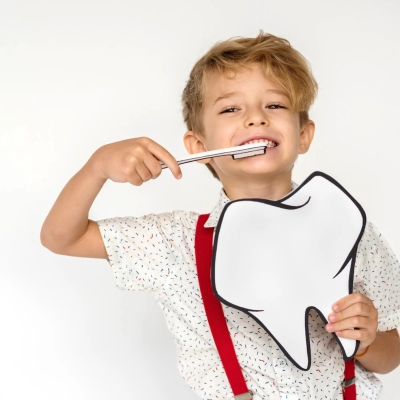
Pediatric dentist in Dubai appointments can help your child build healthy oral habits, manage dental problems and feel more comfortable during treatment. At Alma Polyclinic in Umm Suqeim, Dr. Arghavan Afshar, a Specialist Pediatric Dentist, provides age-appropriate care for infants, children and teenagers, including patients with special healthcare needs. If your child has sudden pain, swelling or a dental injury, review our dental emergency service. For help choosing a clinic, read our guide to choosing a pediatric dentist in Dubai.
Children’s dentistry goes beyond treating cavities. Early dental visits can help families understand teething, brushing, diet, healthy gum care and tooth development. Our team assesses your child’s needs first and explains treatment options, likely costs and the next steps before care begins.
What Does a Pediatric Dentist Do?
A pediatric dentist has specialist training in dental care for infants, children and adolescents. They consider how baby teeth, permanent teeth and jaws develop. They also adapt communication and treatment to each child’s age, medical history and ability to cope with a visit.
At Alma Polyclinic, pediatric care includes preventive assessments, fluoride treatment, fissure sealants and restorative care when clinically indicated. The dentist can assess dental injuries, dental pulp problems and early tooth loss. Not every appointment needs a procedure.
When Should Your Child First Visit the Dentist?
Arrange your child’s first dental visit when the first tooth appears or by the first birthday. This early appointment allows the dentist to check the mouth and talk with parents about feeding, brushing, teething and habits that affect dental health.
For an older child who has not yet seen a dentist, it is still useful to book a first visit. Tell the team about any previous dental experiences, medical conditions, medicines or concerns about anxiety. These details help the clinician plan a suitable appointment.
Pediatric Dental Treatments at Alma Polyclinic
Children’s Dental Check-Ups and Prevention
Routine examinations help the dentist monitor baby teeth, erupting adult teeth, gums and bite development. Parents receive individual advice on fluoride toothpaste, brushing, interdental cleaning and eating habits. Fluoride varnish and fissure sealants may be considered for children who would benefit from additional cavity prevention.
Fillings and Pediatric Crowns
Decay in baby teeth can cause pain and infection, even though those teeth will eventually fall out. When a tooth needs treatment, the dentist assesses the cavity and remaining tooth structure. A filling or pediatric crown may help restore a suitable tooth. The right choice depends on the tooth’s condition and expected time before natural replacement.
Pulp Therapy for Children’s Teeth
If decay or trauma reaches the pulp inside a child’s tooth, treatment may be needed to address the affected tissue. Options depend on whether the tooth is primary or permanent, the extent of damage and whether it can be restored. The dentist will explain when pulp therapy may help preserve a tooth and when another approach is needed.
Dental Injuries and Toothache
Falls and sports can cause chipped, displaced or knocked-out teeth. The recommended response depends on the tooth involved. Do not put a knocked-out baby tooth back into the socket. A knocked-out permanent tooth needs urgent dental assessment; follow emergency advice immediately. Facial swelling accompanied by breathing or swallowing difficulties requires emergency medical care.
Space Maintenance and Early Orthodontic Advice
Baby teeth help hold space for the adult teeth that follow. If a tooth is lost earlier than expected, the pediatric dentist may assess whether a space maintainer is appropriate. For crowding or developing bite concerns, an evaluation by our orthodontic service in Dubai may be useful. Early assessment does not automatically mean braces are necessary.
What Happens at a Child’s First Dental Appointment?
- Parent conversation: The dentist reviews the child’s medical and dental history, oral care routine and any current symptoms.
- Gentle assessment: The clinician looks at the teeth, gums, soft tissues and dental development, working at a pace suited to the child.
- Prevention guidance: Parents receive practical advice on brushing, fluoride, diet and habits.
- Treatment planning: If the dentist finds a concern, they explain the choices, possible risks, follow-up visits and an individual estimate before treatment.
Dental X-rays are not automatically necessary at every check-up. The dentist recommends imaging when it would help answer a clinical question.
How Can You Help an Anxious Child Feel Comfortable?
Explain the visit in simple, positive language without promising that nothing will happen. Avoid frightening stories or using dental treatment as a threat. You can bring a familiar comfort item if that helps your child. Let the team know about previous difficult visits or communication needs before the appointment.
Dr. Arghavan tailors communication and behaviour guidance to individual children. If a child requires more support, the team can discuss appropriate options after assessment. Sedation or general anaesthesia is not appropriate for every child and requires suitable facilities, monitoring, medical review and consent. Parents should confirm availability and arrangements with the clinic directly. Our guide to reducing dental fear in children offers further preparation tips.
Why Is Treating Baby Teeth Important?
Primary teeth help children chew, speak and maintain space while permanent teeth develop. Untreated cavities can lead to pain, infection and difficulty eating. Therefore, waiting for a decayed baby tooth to fall out is not always safe.
The dentist considers the tooth’s condition, whether the infection has spread, the child’s age and the expected eruption of the adult tooth. In some cases, treatment can preserve the baby tooth. In others, extraction and possible space management may be necessary.
How Often Should Children Visit a Pediatric Dentist?
Many families use a six-month check-up schedule. However, the right recall interval depends on a child’s cavity risk, gum health, tooth development, oral hygiene and previous treatment. A pediatric dentist may recommend more frequent visits for children with increased risk or specific care needs.
Pediatric Dentist Cost in Dubai: What Affects the Price?
Pediatric dental treatment cost in Dubai depends on the reason for the visit and the care the child needs. A routine examination differs from fluoride treatment, a filling, a pediatric crown, pulp treatment or emergency care. Imaging and additional visits may affect the total fee.
Alma Polyclinic can discuss a personalised estimate after examining your child. Ask what the quoted fee includes, such as the examination, procedure, follow-up and any necessary imaging. Insurance coverage varies by policy; check any exclusions or authorisation requirements with your insurer.
Brushing and Cavity Prevention at Home
Help your child brush twice daily with fluoride toothpaste appropriate for their age and individual needs. Younger children need hands-on supervision. Parents can also help clean between teeth when the contacts close. Encourage water and regular meals rather than frequent sugary snacks or drinks.
Do not rely on a dental cleaning alone to prevent cavities. Home care, dietary habits and appropriate professional reviews all matter. When the dentist recommends it, professional dental cleaning may form part of the child’s preventive plan.
Book a Pediatric Dentistry Consultation in Umm Suqeim, Dubai
Alma Polyclinic is located at Villa 1033, Al Wasl Road, opposite Union Coop in Umm Suqeim. Dr. Arghavan Afshar provides specialist pediatric dental care for children from infancy through adolescence. Contact the clinic to discuss your child’s needs, arrange an appointment and receive an individual treatment plan.