About the Author and Medical Reviewer
Learn more about the professionals responsible for writing and medically reviewing this article.

Alma Polyclinic Editorial Team
Medical Content Team at Alma Polyclinic
The Alma Polyclinic Editorial Team creates clear, patient-focused health content based on trusted medical sources and clinical guidance from our doctors.
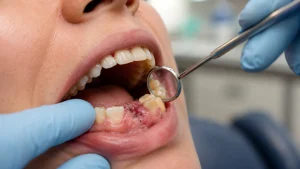
View author profileIf you are recovering after a tooth extraction in Dubai, choosing the right foods can make eating more comfortable while the extraction site heals. The best options are usually soft, moist, easy to swallow, not too hot and free from hard crumbs, seeds or sharp pieces.
This guide includes exactly 50 soft foods to eat after tooth extraction, plus practical advice about what to avoid, how to prepare meals and when you may be able to return to a more normal diet.
Your dentist’s individual aftercare instructions should always take priority, especially after surgical extraction, wisdom tooth removal or multiple extractions.
What Can You Eat After Tooth Extraction?
During the early stages of recovery, choose foods that require little or no chewing and are unlikely to irritate the extraction socket.
| Choose More Often | Avoid Early in Recovery |
|---|---|
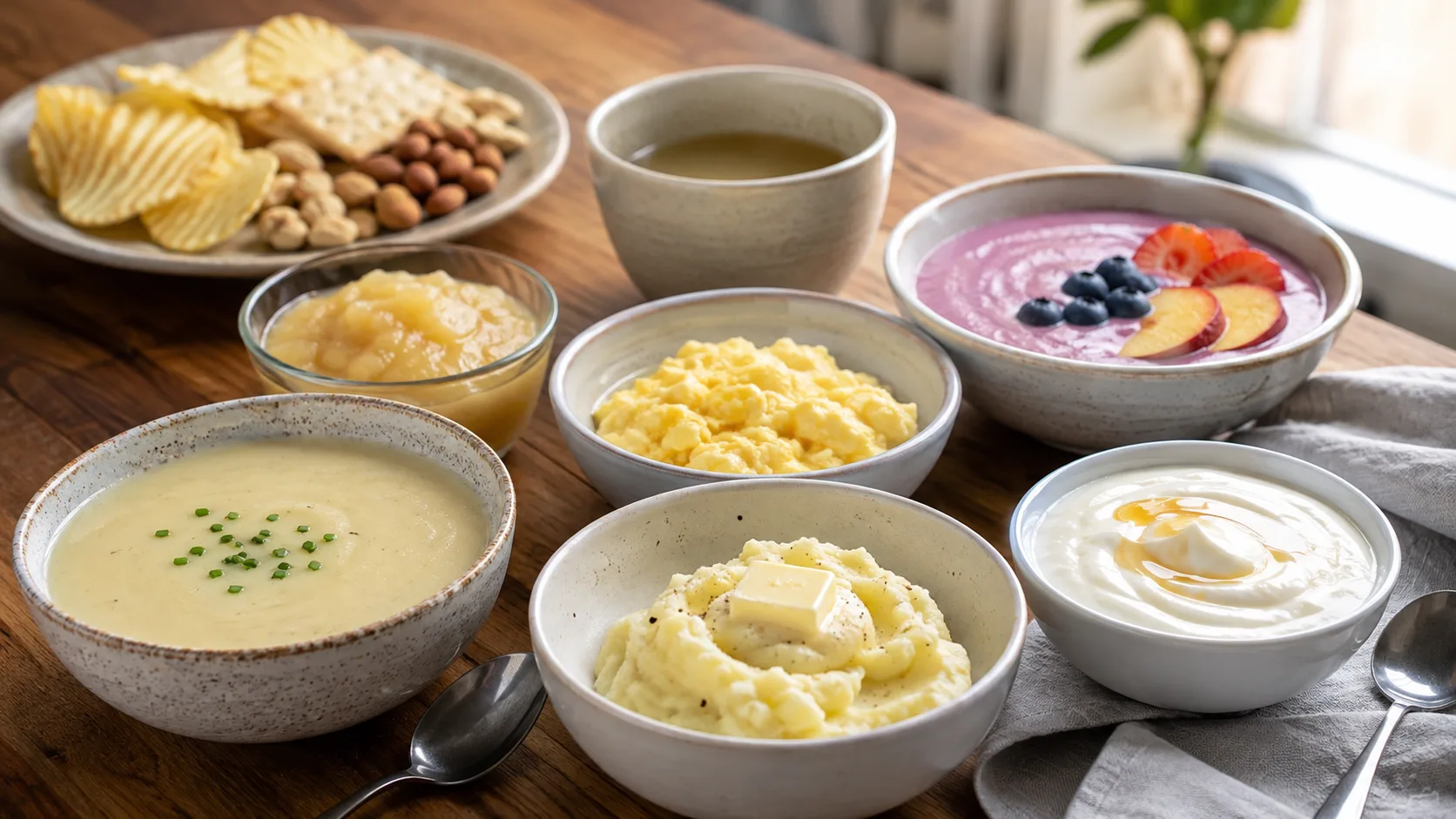
| Yogurt, pudding and applesauce | Chips, nuts and popcorn |
| Mashed potatoes and soft vegetables | Hard or raw vegetables |
| Scrambled eggs and soft tofu | Tough or chewy meat |
| Pureed and creamy soups | Very hot soups |
| Soft pasta and porridge | Crusty bread and crackers |
| Smoothies from a cup | Drinking through a straw unless cleared |
Food should feel comfortable rather than painful. If eating causes pulling, burning, bleeding or increasing discomfort around the socket, stop and choose something softer.
Why Are Soft Foods Recommended After Tooth Extraction?
A tooth extraction leaves a healing socket in the gum and underlying bone. During the early recovery period, the surrounding tissues may feel tender and chewing can be uncomfortable.
Soft foods require less jaw movement and make it easier to avoid chewing directly over the extraction site. Smooth and moist foods are also less likely to leave hard particles around the socket.
The aim is not to stay on a liquid diet longer than necessary. Instead, begin with very soft foods and gradually introduce more texture as healing progresses and your dentist allows.
Follow Your Dentist’s Aftercare Instructions First
Every extraction is different. Recovery after a straightforward extraction may differ from recovery after an impacted wisdom tooth or surgical procedure.
If you have undergone a more complex extraction, your dentist or oral surgeon may give you specific instructions regarding food texture, chewing, rinsing and activity.
Alma Polyclinic also provides maxillofacial surgery in Dubai for oral and jaw conditions that may require surgical management.
For complex surgical extractions, including impacted wisdom teeth, Dr. Corentin Buron provides oral surgical assessment and treatment at Alma Polyclinic.
What Counts as a Soft Food After Dental Extraction?
A useful soft food is generally moist, smooth and easy to swallow with minimal chewing. Simply being “not crunchy” does not necessarily make a food suitable.
For example, bread may feel soft but can still be chewy or leave crumbs. Fruit may be tender but contain seeds or tough skin. Rice may be soft but individual grains can collect around the extraction area.
Use the Fork Test
Ask whether the food can easily be mashed with a fork. Foods that become smooth or fork-mashable with very little pressure are generally easier during early recovery.
Good examples include:
- Mashed potatoes
- Ripe banana
- Avocado
- Scrambled eggs
- Well-cooked vegetables
- Soft tofu
Keep Foods Cool, Room Temperature or Lukewarm
Very hot foods may irritate sensitive tissue. Allow soup, oatmeal, pasta and other cooked foods to cool before eating.
Some patients find cool foods such as yogurt, pudding or smooth ice cream comfortable, although temperature sensitivity varies.
Eat Slowly and Protect the Extraction Site
Take small spoonfuls and chew away from the extraction area when possible.
Avoid probing the socket if food appears to collect nearby. Follow your dentist’s cleaning and rinsing instructions instead.
Avoid drinking through a straw unless your dentist specifically says it is safe. Smoothies and shakes can be consumed from a cup or with a spoon.
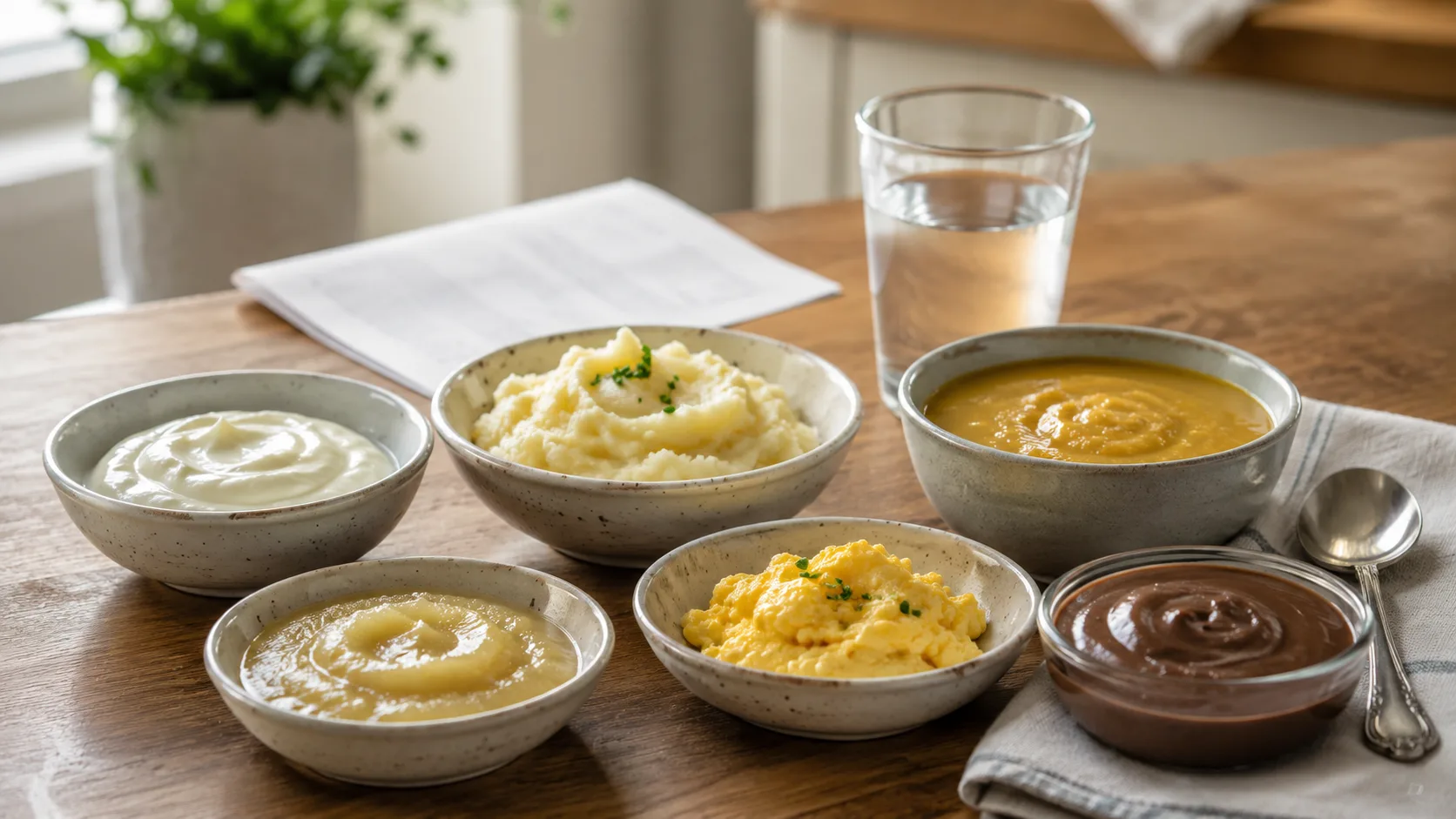
50 Soft Foods to Eat After Tooth Extraction
Here are exactly 50 soft foods to eat after tooth extraction. Start with the smoothest options when your mouth is most sensitive and gradually introduce foods requiring light chewing as you become more comfortable.
Cold and Smooth Foods
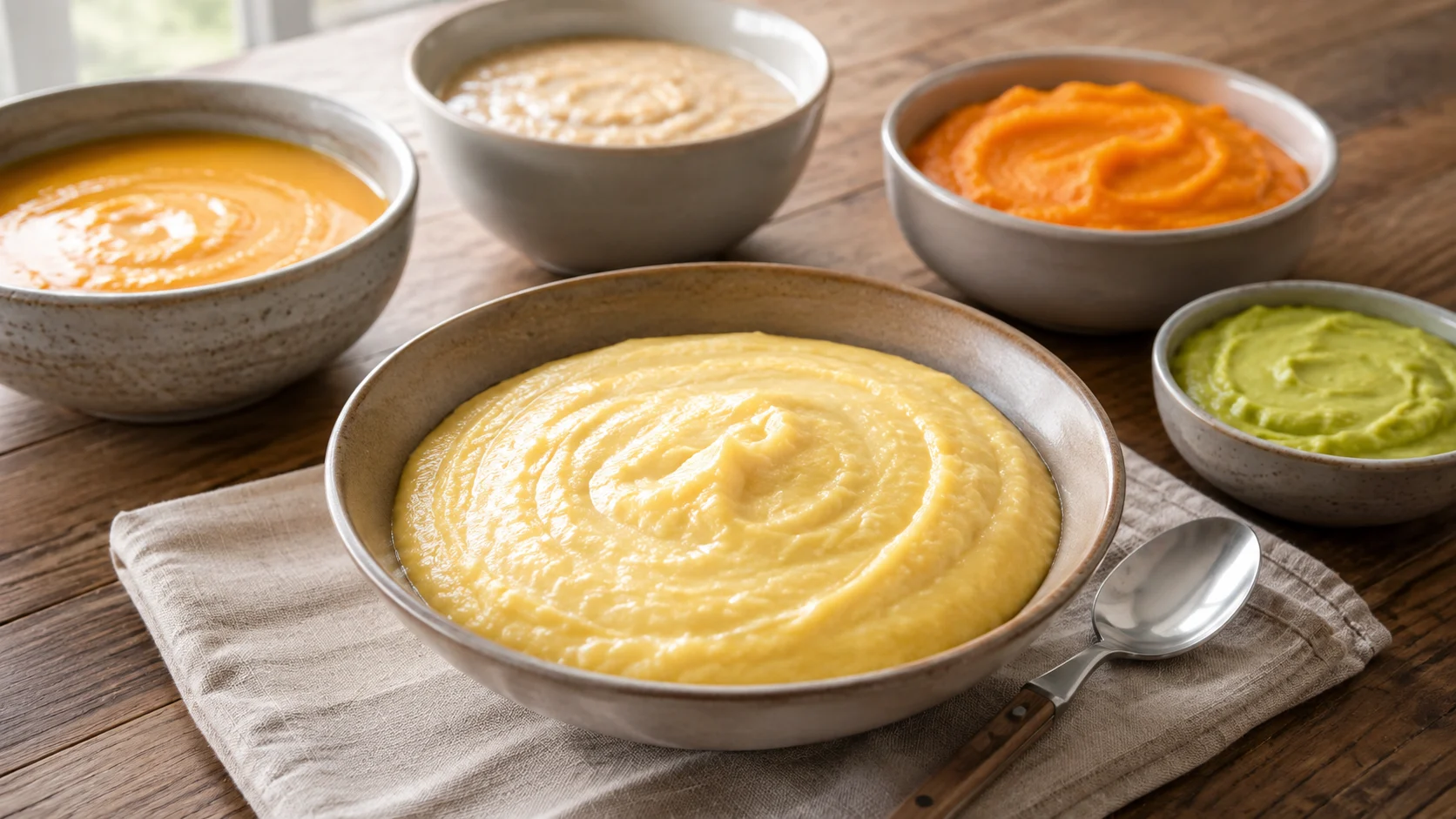
- Applesauce: Choose a smooth variety without pieces of peel or fruit chunks.
- Mashed banana: Mash a very ripe banana until creamy. You can mix it with yogurt for additional protein.
- Plain or Greek yogurt: Choose yogurt without seeds, granola, nuts or firm fruit pieces.
- Smooth cottage cheese: Blend cottage cheese if the curds feel uncomfortable.
- Pudding: Choose smooth pudding without cookie crumbs, nuts or other toppings.
- Custard: Soft custard requires minimal chewing and can be served cool or at room temperature.
- Gelatin dessert: Gelatin is easy to swallow and may be useful when chewing is uncomfortable.
- Smooth ice cream: Avoid nuts, candy pieces, cookies and cones.
- Sorbet: Choose smooth, seed-free varieties and avoid options that feel too acidic.
- Smoothie: Blend thoroughly and drink from a cup or use a spoon rather than a straw unless your dentist has cleared straw use.
Protein-Rich Soft Foods
- Soft scrambled eggs: Cook until moist and soft rather than dry or browned.
- Soft omelet: Avoid crunchy vegetables, hard cheese pieces and crisp edges.
- Steamed egg custard: This has a smooth texture and requires very little chewing.
- Silken tofu: Eat plain, blend into soup or add to a smooth meal.
- Soft tofu scramble: Cook gently and mash until tender.
- Hummus: Choose smooth hummus without whole chickpeas, seeds or crunchy toppings.
- Refried beans: Mash until smooth and add broth or sauce if they are too thick.
- Pureed lentils or dal: Cook thoroughly and blend or mash until soft.
- Soft flaky fish: Use tender fish, remove every bone and mash it before eating.
- Mashed egg salad: Mash thoroughly and avoid crunchy onion, celery or pickles.
Soft Grains, Potatoes and Pasta
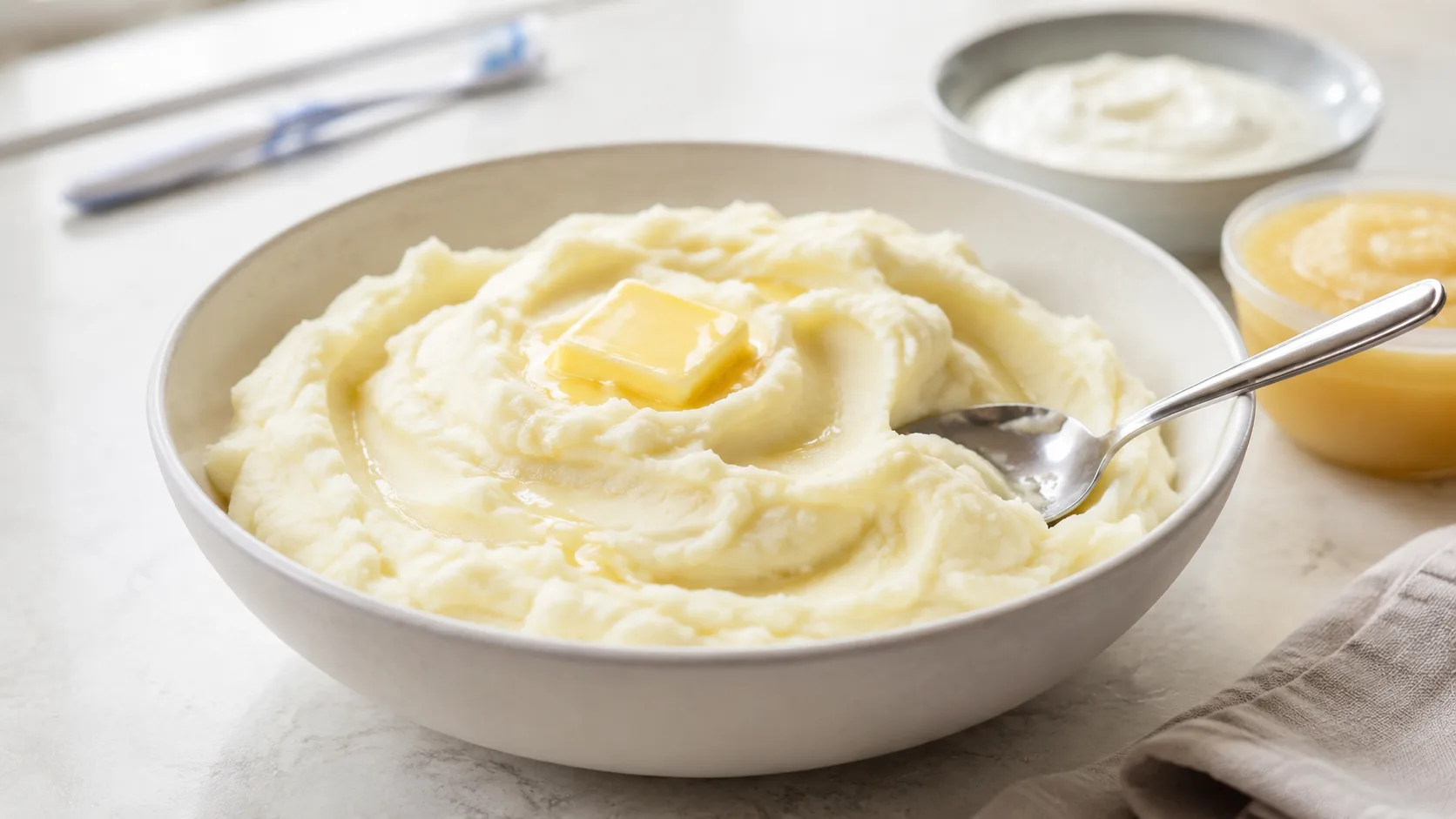
- Mashed potatoes: Make them creamy and free from large lumps or potato skins.
- Mashed sweet potatoes: Remove the skin and mash until smooth.
- Creamy polenta: Prepare it soft rather than allowing it to become firm.
- Cream of wheat: Cook until smooth and allow it to cool before eating.
- Soft oatmeal: Cook longer than usual so it becomes creamy. Avoid nuts, seeds and dried fruit.
- Congee or rice porridge: Cook the rice until the grains break down into a soft porridge.
- Creamy risotto: Choose a soft preparation without firm vegetables or chewy meat.
- Very soft pasta: Small pasta shapes with a smooth sauce are easier than firm or long noodles.
- Soft macaroni and cheese: Avoid baked versions with crispy toppings.
- Soft noodles in lukewarm broth: Cook thoroughly and cut long noodles into smaller pieces when necessary.
Soft Vegetables and Soups
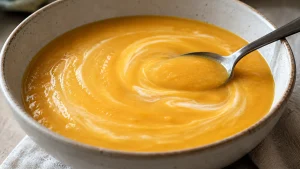
- Pureed vegetable soup: Blend until smooth and serve lukewarm rather than very hot.
- Smooth cream soup: Avoid chunks of vegetables or meat.
- Butternut squash soup: Blend thoroughly for a smooth texture.
- Pumpkin puree or pumpkin soup: Keep seasoning mild if spicy foods irritate the area.
- Cauliflower mash: Steam until very tender and blend or mash.
- Mashed carrots: Cook until completely soft before mashing.
- Pureed peas: Blend well if skins remain noticeable.
- Soft creamed spinach: Cook thoroughly and chop or blend to remove stringy pieces.
- Mashed avocado: Ripe avocado provides a creamy texture that requires almost no chewing.
- Smooth guacamole: Avoid raw onion, jalapeños, chunky tomatoes and crunchy chips.
Soft Fruit, Dairy and Drinkable Options
- Mashed canned peaches: Choose very soft fruit and mash before eating.
- Mashed canned pears: Mash thoroughly if chewing remains uncomfortable.
- Very ripe seedless melon: Mash or cut into very small soft pieces.
- Ricotta cheese: Eat plain or add to soft pasta or mashed vegetables.
- Soft cheese spread: Avoid varieties containing nuts, seeds or coarse herbs.
- Rice pudding: Choose a creamy version without raisins or nuts.
- Semolina pudding: Serve smooth and at a comfortable temperature.
- Cheesecake filling without crust: Avoid the crust and crunchy toppings.
- Protein shake: Choose a smooth, seed-free shake and drink from a cup rather than a straw.
- Milkshake: Consume with a spoon or cup and avoid cookie pieces, nuts and other hard additions.
How to Make Soft Foods More Filling
It is easy to rely heavily on applesauce, pudding and ice cream after an extraction, but these foods alone may not provide enough protein or keep you satisfied.
Try to combine soft carbohydrates with protein-rich foods such as:
- Eggs
- Greek yogurt
- Silken tofu
- Hummus
- Lentils
- Refried beans
- Ricotta
- Soft fish
- Protein shakes
For example, combine mashed potatoes with soft fish, yogurt with mashed banana or congee with silken tofu.
Use Smaller Meals if Eating Is Difficult
If opening your mouth or chewing becomes tiring, several smaller meals may be easier than three large meals.
Even a small serving of yogurt, soup, mashed potatoes or eggs can help you maintain food intake while your mouth is sore.
Stay Hydrated
Water, milk, dairy-free milk, mild broth and smooth shakes may be easier to tolerate than dry foods.
If pain or swelling makes it difficult to drink enough fluids, contact your dentist for advice.
How to Prepare Food After Tooth Extraction
Cook Foods Until Very Soft
Cook vegetables, pasta and grains longer than usual so they require minimal chewing.
Remove:
- Peels
- Seeds
- Crusts
- Hard edges
- Chewy pieces
Mash, Blend or Puree When Necessary
A blender can turn vegetables, beans, lentils and soups into smooth meals.
A fork is often sufficient for bananas, avocado, potatoes and very soft fruit.
Make Soups Smooth
Chunky soup may be less suitable than it appears. Blend ingredients until the texture is smooth and strain the soup if seeds or fibrous pieces remain.
Watch for Hidden Crunch
Foods that appear soft may still contain hard ingredients.
Examples include:
- Yogurt with granola
- Ice cream with nuts
- Smoothies with berry seeds
- Soup with corn
- Pudding with cookie crumbs
What Foods Should You Avoid After Tooth Extraction?
Hard and Crunchy Foods
Avoid foods such as:
- Chips
- Popcorn
- Nuts
- Crackers
- Hard taco shells
- Raw vegetables
- Crusty bread
These foods require greater chewing pressure and may leave sharp fragments or crumbs near the socket.
Foods With Small Particles
Seeds, loose rice, quinoa, sesame seeds and coarse crumbs can be difficult to control around a healing extraction site.
Choose smoother alternatives such as congee, applesauce, mashed banana or pureed vegetables.
Spicy or Acidic Foods
Strong spices, hot sauce, acidic citrus foods and vinegar-heavy sauces may irritate sensitive tissues in some patients.
Very Hot Foods and Drinks
Allow soups, tea, coffee and cooked foods to cool before eating or drinking.
Chewy or Sticky Foods
Steak, jerky, gummy candy, chewy bread and sticky sweets may require excessive jaw movement or pulling.
Straws
Many extraction aftercare instructions recommend avoiding suction from drinking straws during early healing. Follow the specific timing recommended by your dentist.
Soft-Food Meal Ideas After Tooth Extraction
Breakfast
- Greek yogurt with mashed banana
- Soft scrambled eggs with mashed avocado
- Cream of wheat or soft oatmeal
- Steamed egg custard
- Smooth cottage cheese with applesauce
Lunch
- Pureed vegetable soup with ricotta
- Mashed sweet potato with hummus
- Congee with silken tofu
- Refried beans with mashed avocado
- Pureed lentils with creamy polenta
Dinner
- Mashed potatoes with soft flaky fish
- Soft pasta with smooth sauce
- Pureed dal with rice porridge
- Butternut squash soup
- Soft tofu scramble with mashed vegetables
Snacks and Desserts
- Pudding
- Custard
- Applesauce
- Ricotta
- Smooth yogurt
- Ice cream without hard pieces
- Sorbet
- Protein shake from a cup
When Can You Start Eating More Normal Foods?
There is no single timeline that applies to every extraction. Recovery depends on which tooth was removed, whether the extraction was simple or surgical, how the socket is healing and your individual comfort level.
| How Your Mouth Feels | Food Texture | Examples |
|---|---|---|
| Chewing is uncomfortable | Smooth and spoonable | Yogurt, pudding, applesauce, pureed soup |
| Light chewing feels comfortable | Fork-mashable and moist | Eggs, mashed potatoes, tofu, beans, congee |
| Tenderness is improving | Soft foods requiring gentle chewing | Soft pasta, risotto, fish and cooked vegetables |
Gradually reintroduce texture rather than immediately returning to hard or crunchy foods.
What If Eating Still Hurts After Tooth Extraction?
Some tenderness is expected during healing, but food should generally become easier to manage as recovery progresses.
Contact your dentist if you develop increasing pain, persistent bleeding, significant swelling, pus, fever, foul taste or symptoms that become worse instead of better.
For sudden or severe dental symptoms, you can also review Alma Polyclinic’s toothache relief service or seek urgent dental assessment when appropriate.
What Happens After the Extraction Site Heals?
If a permanent tooth was removed, your dentist may later discuss whether replacing the missing tooth would benefit your bite and oral function.
One possible treatment is dental implants in Dubai. Implant treatment is generally planned after the extraction site and surrounding tissues have been appropriately assessed.
If your tooth has not yet been removed and you are deciding whether it can still be preserved, read our guide comparing root canal vs tooth extraction.
Frequently Asked Questions
What can I eat on the first day after tooth extraction?
Very soft foods such as yogurt, applesauce, pudding, mashed potatoes and smooth lukewarm soup are usually easier during the early recovery period. Follow the individual instructions provided by your dentist.
Can I eat eggs after tooth extraction?
Yes. Soft scrambled eggs, steamed egg custard and soft omelets can be useful because they provide protein while requiring little chewing.
Can I eat rice after tooth extraction?
Loose rice grains may collect near the extraction site. Congee or rice porridge is often easier because the grains have been cooked into a softer texture.
Can I eat ice cream after tooth extraction?
Smooth ice cream may be comfortable for some patients. Avoid cones, nuts, chocolate chips, cookies and other hard mix-ins.
Can I drink smoothies after tooth extraction?
Yes, if they are fully blended and free from seeds or crunchy ingredients. Drink from a cup or use a spoon instead of a straw unless your dentist has cleared straw use.
When can I eat normal food again after tooth extraction?
The timing varies according to the type of extraction and your individual healing. Gradually increase texture as chewing becomes comfortable and your dentist’s instructions allow.
What foods should I avoid after tooth extraction?
Avoid foods that are hard, sharp, crunchy, chewy, sticky, very hot or likely to leave small particles around the healing socket.
What should I do if food gets stuck near the extraction site?
Do not dig into the socket with your fingers, toothpicks or other objects. Follow your dentist’s rinsing and cleaning instructions and contact the clinic if you cannot safely clear the area or develop increasing pain, swelling, bleeding or bad taste.
Need Advice After Tooth Extraction in Dubai?
If you are recovering from an extraction and are unsure about food, pain, swelling or wound care, contact Alma Polyclinic for personalised guidance.
For patients who need an extraction, Alma Polyclinic provides tooth extraction in Dubai, including assessment, treatment planning and aftercare.
Complex surgical extractions and impacted wisdom teeth may also be assessed by oral surgeon Dr. Corentin Buron.
Medical note: This article provides general dietary guidance and does not replace the personalised instructions given by your dentist or oral surgeon.