
About the Author and Medical Reviewer
Learn more about the professionals responsible for writing and medically reviewing this article.

Alma Polyclinic Editorial Team
Medical Content Team at Alma Polyclinic
The Alma Polyclinic Editorial Team creates clear, patient-focused health content based on trusted medical sources and clinical guidance from our doctors.
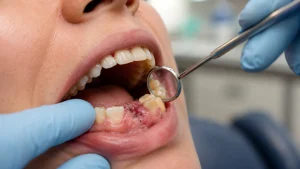
View author profileThe first night after tooth extraction is mainly about protecting the healing socket, allowing the blood clot to remain stable, controlling bleeding and discomfort, and avoiding anything that may disturb early healing.
If you recently had a tooth extraction in Dubai, your dentist’s individual postoperative instructions should always come first. Simple extractions, surgical extractions and wisdom tooth removal can have different recovery requirements.
For most patients, the priorities during the first night are simple: rest, use gauze only as instructed, take approved medication correctly, eat soft foods, avoid suction and smoking, and know which symptoms require professional help.
First Night After Tooth Extraction: Quick Checklist
Before settling down for the night, make sure you have:
- Clean gauze if your dentist told you to continue using it.
- Water within easy reach.
- Soft foods prepared in advance.
- Prescribed or dentist-approved medication.
- A wrapped cold pack if it was recommended.
- An extra pillow to support your head and upper body.
- Your dentist’s postoperative instructions.
- Your clinic’s contact information in case symptoms become concerning.
The first night is not the time to repeatedly inspect, touch or test the extraction socket. Give the area time to settle and avoid disturbing it with your tongue, fingers or other objects.
How to Control Bleeding on the First Night
Some blood mixed with saliva can occur after an extraction and may look more dramatic than it actually is. What matters most is whether bleeding is gradually decreasing rather than becoming heavier.
Use Gauze the Way Your Dentist Instructed
If you were told to use gauze, place it over the extraction area and apply firm, steady pressure by biting down gently. Do not chew the gauze or repeatedly move it around.
If the gauze becomes saturated and your instructions say it should be replaced, use a clean piece. Avoid repeatedly removing the gauze simply to check the socket because unnecessary disturbance can interfere with clot formation.
Unless your dentist or oral surgeon specifically tells you otherwise, do not go to sleep with loose gauze in your mouth. If bleeding is still active at bedtime and you feel that you still need gauze, follow your postoperative instructions or contact the dental team for advice.

What Not to Do if Bleeding Continues
- Do not spit forcefully.
- Do not rinse aggressively.
- Do not probe the socket with your tongue or fingers.
- Do not use a straw unless your dentist specifically allows it.
- Do not smoke or vape.
- Do not perform strenuous exercise.
If bleeding seems heavy, is not improving with the pressure method you were instructed to use, or makes you feel weak or unwell, contact your dentist promptly.
Pain After Tooth Extraction on the First Night
As local anaesthesia wears off, soreness or throbbing may become more noticeable. The appropriate pain-control plan depends on your procedure, medical history and medications.
Take prescribed or approved pain medication only as directed. Do not increase doses on your own or combine medications unless a clinician has confirmed that the combination is appropriate for you.
If pain is unusually severe, rapidly increasing or not controlled by your prescribed plan, an assessment may be necessary. Alma Polyclinic also provides toothache relief and dental pain assessment for patients who need professional evaluation of dental pain.
Be Careful With Existing Medications
Patients taking blood thinners, sleep medication, anxiety medication or other pain medicines should be especially careful about adding new medication.
Do not stop prescribed medication without instructions from the dentist, oral surgeon or prescribing clinician.
How to Manage Swelling During the First Night
Some swelling may occur following a tooth extraction, particularly after a surgical procedure or wisdom tooth removal.
If your dental team recommended a cold pack, wrap it in a cloth rather than applying ice directly to your skin. Follow the timing instructions provided by your dentist or oral surgeon.
Do not introduce heat simply because swelling is present unless your clinician has advised it for your stage of recovery.
How to Sleep After Tooth Extraction the First Night
Rest is important during early recovery. Use pillows to support your head and upper body in a comfortable position according to your aftercare instructions.
Avoid sleeping directly on the extraction side if pressure on that side increases pain or throbbing.
You can place a towel over your pillowcase if you are worried about minor saliva or blood spotting during the night.
Should You Sleep With Gauze After Tooth Extraction?
Do not automatically sleep with gauze in your mouth. Gauze is primarily useful while you are awake and able to monitor it.
If bleeding has not settled sufficiently for you to remove the gauze before sleeping, contact your dentist or follow the specific after-hours instructions you were given.
What if Pain Keeps Waking You Up?
Check your approved medication schedule and make sure you are following it correctly rather than taking additional medication too soon.
Contact the clinic if pain becomes severe, increasingly intense or does not respond to the pain-control plan you were given.
What to Eat on the First Night After Tooth Extraction
The best foods during the first night are generally soft, smooth and easy to swallow with little chewing.
Suitable options may include:
- Smooth yogurt without seeds or granola.
- Applesauce.
- Mashed potatoes.
- Soft scrambled eggs if comfortable.
- Pureed or smooth soup served at a comfortable temperature.
- Smooth pudding or custard.
- Smoothies consumed from a cup or spoon rather than through a straw.
Chew away from the extraction site whenever possible. If your mouth is still numb, eat carefully to avoid accidentally biting your cheek, tongue or lip.
For a more complete recovery diet, choose soft foods that require minimal chewing and avoid small hard particles around the socket.
What Should You Drink?
Water is generally a practical choice unless your dentist has given different instructions. Sip gently rather than using suction.
Avoid very hot beverages during early recovery if they irritate the area, and do not drink alcohol when it conflicts with your medication or postoperative instructions.
Foods to Avoid on the First Night
Avoid foods that may irritate the socket, require excessive chewing or leave hard particles behind.
- Chips
- Popcorn
- Nuts
- Crusty bread
- Hard crackers
- Sticky candy
- Seeds
- Very spicy foods
- Very hot foods
- Tough or chewy meat
If a food causes pulling, burning, bleeding or increased discomfort, stop eating it and choose a softer alternative.
What Not to Do the First Night After Tooth Extraction
Do Not Use Strong Suction
Suction and vigorous mouth movements may disturb the extraction site during early healing.
- Avoid straws unless specifically cleared.
- Do not spit forcefully.
- Do not rinse vigorously.
- Do not swish aggressively.
- Do not repeatedly test the socket with your tongue.

Do Not Smoke or Vape
Smoking and vaping can expose the healing area to suction, heat and irritants. Follow the restriction period provided by your dentist or oral surgeon.
Do not assume vaping is a safe alternative to smoking during recovery.
Avoid Strenuous Exercise
Heavy lifting, intense workouts and activities that significantly increase exertion may make throbbing or bleeding more noticeable during early recovery.
Use the first night for rest rather than trying to return immediately to normal physical activity.
Do Not Put Home Remedies Inside the Socket
Do not place aspirin, oils, powders, herbal products or other substances inside the extraction socket unless a dental professional specifically instructed you to do so.
Do not pull stitches, scrape the socket or try to remove the blood clot.
Normal First-Night Symptoms vs Warning Signs
| Symptom | May Occur During Early Recovery | More Concerning |
|---|---|---|
| Bleeding | Minor oozing that gradually decreases | Heavy or uncontrolled bleeding |
| Pain | Soreness or throbbing controlled by the recommended plan | Severe or rapidly worsening pain |
| Swelling | Localized swelling after the procedure | Rapidly increasing or spreading facial or neck swelling |
| Taste | Temporary blood taste | Persistent foul taste with worsening pain, swelling or drainage |
| General condition | Tiredness after the procedure | Fainting, severe weakness or serious systemic symptoms |
What About Dry Socket?
Dry socket is a healing complication involving the extraction socket and protective clot. It should not be diagnosed or treated at home.
If pain becomes severe or progressively worse, particularly if it feels out of proportion to the recovery you were told to expect, contact your dentist.
Do not place medication, dressing or other materials into the socket yourself.
Wisdom Tooth Extraction and Surgical Extractions
The first night after an impacted wisdom tooth or surgical extraction may involve more swelling, stitches, medication instructions and activity restrictions than a simple extraction.
For complex extractions and oral surgical conditions, Alma Polyclinic provides maxillofacial surgery in Dubai.
Dr. Corentin Buron is an oral surgeon at Alma Polyclinic whose clinical work includes surgical extraction of impacted wisdom teeth and other complex oral surgical procedures.
If your extraction involved impacted teeth, bone removal, stitches or sedation, follow the specific instructions provided by your oral surgeon rather than relying only on general aftercare advice.

What if You Have Stitches?
Do not pull, trim or test stitches with your tongue or fingers.
Some stitches dissolve while others may need to be removed during a follow-up appointment. If you are unsure which type you have, ask your dental team.
If a stitch becomes loose unexpectedly, contact the clinic instead of trying to repair or remove it yourself.
First Night After Tooth Extraction With Sedation
If you received sedation or general anaesthesia, follow all supervision and escort instructions.
Depending on the instructions you received, you may need to avoid driving, alcohol, important decisions and unapproved sedating medication.
A responsible adult may need to help you monitor medications and postoperative instructions while you are still drowsy.
First Night After Tooth Extraction if You Take Blood Thinners
Patients taking anticoagulant or antiplatelet medication should follow individualized advice from their dentist, oral surgeon and prescribing clinician.
Do not stop or change prescribed blood-thinning medication on your own.
The same principle applies if you have diabetes, an immune condition, a bleeding disorder, pregnancy, heart disease or a complex medication history.
When Should You Call Your Dentist?
Contact your dentist or oral surgeon if:
- Bleeding appears heavy or is not improving with instructed pressure.
- Pain becomes severe or is not controlled by your recommended plan.
- Swelling is rapidly increasing.
- You notice concerning drainage or persistent foul taste.
- You develop medication side effects.
- A stitch or surgical dressing becomes unexpectedly displaced.
- You are unsure about eating, medication, brushing, gauze or activity restrictions.
If you need assessment for severe tooth pain or postoperative concerns, Alma Polyclinic provides emergency dental care in Dubai.
When Should You Seek Emergency Medical Help?
Seek urgent medical assistance for symptoms such as:
- Difficulty breathing
- Difficulty swallowing
- Uncontrolled bleeding
- Rapidly spreading facial or neck swelling
- Fainting or severe weakness
- Signs of a serious allergic reaction involving the lips, tongue or throat
- Concerning breathing or consciousness changes after sedation
These symptoms should not wait for a routine follow-up appointment.
What to Do the Morning After Tooth Extraction
The next morning, assess how you feel without repeatedly pulling your cheek or disturbing the socket.
Consider:
- Has the bleeding reduced?
- Is pain controlled by the recommended medication plan?
- Is swelling stable rather than rapidly increasing?
- Can you drink and eat soft foods comfortably?
- Have any new warning symptoms appeared?
Continue following your dentist’s instructions regarding brushing, rinsing, food, exercise and medication.
Do not begin vigorous rinsing or brush directly over the socket unless your postoperative instructions say that it is appropriate.
What Happens After the Extraction Site Heals?
If a permanent tooth was removed, your dentist may later discuss whether replacing the missing tooth would help restore chewing, bite stability or appearance.
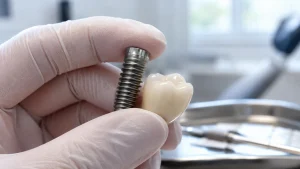
One possible option is dental implants in Dubai. Implant planning depends on the extraction site, bone condition, oral health and adequate healing.
Replacement treatment is generally considered after the area has been assessed and any active infection or healing problem has been addressed.
Frequently Asked Questions
Can I sleep after tooth extraction on the first night?
Yes. Rest is an important part of recovery. Use a comfortable supported position and avoid putting direct pressure on the extraction side if it increases discomfort.
Should I sleep with gauze in my mouth after tooth extraction?
Only if your dentist or oral surgeon specifically instructed you to do so. If you still have active bleeding at bedtime, follow your postoperative instructions or contact your dental provider for advice.
What should I do if my extraction site is still bleeding at night?
Use clean gauze and steady pressure according to the instructions you were given. Avoid forceful spitting, vigorous rinsing, smoking, vaping and straw use. Contact your dentist if bleeding seems heavy or is not improving.
Can I drink water the first night after tooth extraction?
In general, water can be sipped gently unless your dentist has given different instructions. Avoid using a straw unless it has been specifically cleared.
What can I eat the first night after tooth extraction?
Choose soft foods that need very little chewing, such as smooth yogurt, applesauce, mashed potatoes, soft eggs or smooth soup at a comfortable temperature.
Can I brush my teeth the first night after tooth extraction?
Follow your dentist’s instructions. Be gentle around the surrounding teeth and avoid brushing directly over the extraction socket unless you have specifically been told to do so.
Can I smoke or vape the first night after tooth extraction?
Smoking and vaping should generally be avoided during early healing according to your dentist’s instructions because suction, heat and irritants can interfere with the extraction site.
Is throbbing pain normal the first night after tooth extraction?
Some soreness or throbbing can occur as anaesthesia wears off. Contact your dentist if pain becomes severe, rapidly worsens or is not controlled by your approved pain-management plan.
How do I know if I have dry socket on the first night?
Do not try to diagnose dry socket yourself. Severe or worsening pain, foul taste, odor or other concerning changes should be assessed by a dental professional.
When should I seek emergency help after tooth extraction?
Seek urgent medical help for difficulty breathing or swallowing, uncontrolled bleeding, rapidly worsening facial or neck swelling, fainting, severe weakness or signs of a serious allergic reaction.
Need Help After Tooth Extraction in Dubai?
If you are unsure whether your bleeding, pain, swelling or other symptoms are part of normal recovery, contact Alma Polyclinic for professional dental advice.
For patients who require treatment, Alma Polyclinic provides tooth extraction in Dubai, including assessment, treatment planning and postoperative care.
For complex surgical extractions or impacted wisdom teeth, you can also learn more about oral surgeon Dr. Corentin Buron.
Medical note: This article provides general educational information and does not replace the personalised postoperative instructions given by your dentist, oral surgeon or other healthcare professional.