
About the Author and Medical Reviewer
Learn more about the professionals responsible for writing and medically reviewing this article.

Alma Polyclinic Editorial Team
Medical Content Team at Alma Polyclinic
The Alma Polyclinic Editorial Team creates clear, patient-focused health content based on trusted medical sources and clinical guidance from our doctors.
View author profile
Dr. Homa Shahakbari
Founder & CEO | Cosmetic & General Dentist at Alma Polyclinic
This article was reviewed for clinical accuracy, relevance and patient safety by Dr. Homa Shahakbari.
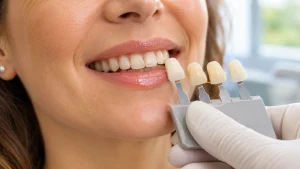
View doctor profileKnowing which foods to avoid after teeth whitening can help you feel more comfortable after treatment and make informed choices about maintaining your brighter smile. Coffee, tea, dark berries, tomato sauces, and strongly coloured spices are often mentioned in post-whitening advice. However, not every coloured food must be avoided, and a single meal is unlikely to undo the results of professional bleaching.
What foods should you avoid after teeth whitening? If your dentist recommends temporarily limiting staining foods, you may be advised to reduce coffee, black tea, dark berries, curry, tomato-based sauces, and strongly coloured condiments. If your teeth feel sensitive, very hot, cold, or acidic foods may also be uncomfortable. These are different concerns, and the appropriate restrictions depend on your treatment and symptoms.
Recent clinical studies have challenged the idea that everyone needs a strict white diet after bleaching. The available evidence does not show a significant improvement in whitening effectiveness when patients avoid all coloured foods compared with less restrictive diets.
At Alma Polyclinic Dubai, patients can discuss personalised whitening aftercare with the dental team. This guide explains which foods and drinks are commonly limited, why they matter, how long restrictions may apply, and what to do if you accidentally consume something on your aftercare list.
What Foods Should You Avoid After Teeth Whitening?
Most post-whitening food advice falls into two categories: reducing exposure to substances associated with external tooth staining and avoiding foods that cause discomfort when teeth are temporarily sensitive.
Some foods fall into both categories. For example, a tomato-based dish can contain pigments while also being acidic.
Use the following table as a practical guide rather than a universal list of prohibited foods.
| Food or Drink | Main Concern | What to Consider |
|---|---|---|
| Coffee | External staining over time | Follow any temporary restrictions and reduce frequent exposure |
| Black tea | External staining | Consider your dentist’s advice and regular drinking habits |
| Red wine | Pigments and acidity | Check any treatment-specific restrictions |
| Dark berries | Strong natural pigments | Limit temporarily if advised; not universally prohibited |
| Tomato sauce | Pigmentation and acidity | May be uncomfortable if teeth are sensitive |
| Curry and turmeric-rich dishes | Strong pigments | Consider lighter preparations if following specific instructions |
| Soy sauce and dark condiments | Intense colour | Use less or choose alternatives when advised |
| Cola and dark soft drinks | Pigmentation, acidity, and sometimes sugar | Frequent consumption also has broader dental health implications |
| Citrus fruits and juices | Acidity and sensitivity | Limit if they cause discomfort |
| Very hot foods and drinks | Temperature sensitivity | Allow them to reach a comfortable temperature |
| Ice-cold foods and drinks | Temperature sensitivity | Avoid extreme cold if it triggers pain |
| Acidic sweets | Acidity, sugar, and discomfort | Limit frequent consumption for general oral health |
Remember: Pigment-related staining and bleaching-related tooth sensitivity are not the same problem. A dark food is not necessarily painful for sensitive teeth, and a clear or pale food is not automatically harmless.
Dark-Coloured Foods That May Contribute to Tooth Staining
Certain foods contain natural or added pigments that can contribute to external staining over time.
If you received instructions to minimise strongly coloured foods for a limited period, the following categories are useful examples to review.
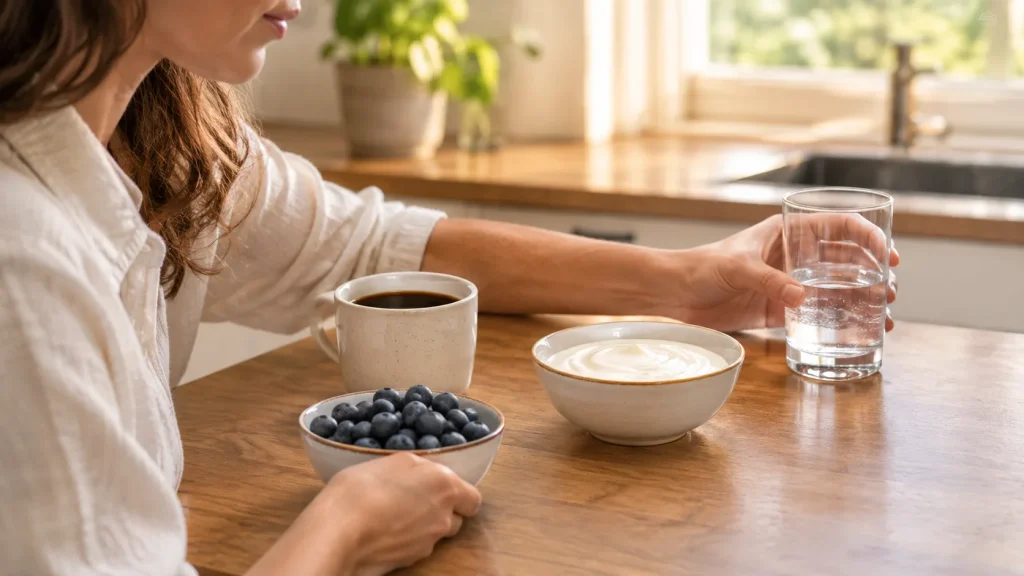
1. Dark Berries and Strongly Pigmented Fruits
Blueberries, blackberries, cherries, and some other fruits contain naturally occurring pigments.
These pigments can contribute to external staining under certain conditions, especially with repeated exposure.
However, dark berries are also ordinary nutritious foods. Evidence does not support eliminating them from everyone’s diet simply because they have undergone whitening.
If your dentist specifically recommends limiting pigments after treatment, you can choose another fruit during the advised period.
Do not replace a balanced diet with an unnecessarily restrictive list of pale foods.
2. Tomato Sauce and Tomato-Based Dishes
Tomato sauce, tomato paste, and tomato-based pasta dishes are frequently included in traditional post-whitening avoid lists.
They contain red pigments and are also acidic.
For someone experiencing temporary tooth sensitivity, acidity may be a more immediate concern than the colour itself.
If tomato sauce causes discomfort, choose another preparation until sensitivity improves.
When a dentist recommends temporary pigment restrictions, plain pasta or a mildly seasoned alternative may be more convenient.
3. Curry, Turmeric, and Strongly Coloured Spices
Curry dishes may contain turmeric and other ingredients that give food a strong yellow, orange, or red colour.
These are commonly listed among foods to limit when a patient has been advised to avoid intense pigments.
However, eating a curry after whitening does not automatically mean your teeth will immediately become yellow again.
Consider the ingredients, frequency of consumption, and any individual instructions.
Strong spices may also irritate some people’s gums or oral tissues, which is separate from their potential to contribute to staining.
4. Soy Sauce, Dark Dressings, and Condiments
Soy sauce, dark balsamic dressings, richly coloured marinades, and other concentrated condiments can add substantial pigmentation to a meal.
A food that appears pale on its own may become strongly coloured after adding a sauce.
For example:
- Plain rice served with dark soy sauce
- Chicken covered in a rich red marinade
- Pasta with tomato or dark pesto sauces
- Salads with strongly coloured dressings
If your treatment instructions mention limiting dark foods, check the finished dish rather than only its main ingredient.
If no restrictions were recommended, there is no reason to assume these sauces are universally forbidden after bleaching.
5. Artificially Coloured Foods and Sweets
Some candies, icings, desserts, and packaged foods contain intense colour additives.
These products are sometimes included in traditional whitening aftercare advice because of their appearance.
However, the actual effect depends on the product and frequency of exposure.
Many coloured sweets also contain sugar or acids that may be relevant to tooth decay and enamel erosion.
Limiting frequent sugary snacks is beneficial for oral health regardless of whether you have recently whitened your teeth.
Drinks to Avoid or Limit After Teeth Whitening
Drinks can contact the teeth repeatedly throughout the day, making drinking habits relevant to long-term external staining.
Some are strongly coloured, some are acidic, and others may trigger sensitivity because of their temperature.
Coffee After Teeth Whitening
Can you drink coffee after teeth whitening? In many situations, yes, but you should follow any specific instructions given by your dentist.
Coffee contains compounds associated with external tooth staining over time.
Some dental practices recommend temporarily avoiding coffee after bleaching. However, clinical research has not consistently found that drinking coffee during a whitening programme significantly reduces bleaching effectiveness.
For long-term maintenance, repeated exposure matters more than treating one cup as a failure.
Consider avoiding prolonged sipping, drinking water afterwards, and maintaining regular oral hygiene.
If coffee is very hot and your teeth are sensitive, allow it to cool to a comfortable temperature.
Black Tea and Other Teas
Black tea contains pigments associated with external staining, and it is frequently included in post-whitening dietary recommendations.
Other tea varieties differ in their composition and colouring.
Do not assume that a tea is completely free from potential staining because it appears lighter.
At the same time, there is no need to treat every cup of tea as capable of reversing professional bleaching.
Follow your treatment guidance and consider your overall drinking habits.
Red Wine
Red wine contains pigments and acids that can contribute to tooth discolouration and acidic exposure over time.
It is commonly mentioned in traditional post-whitening advice.
If your dentist has recommended limiting strongly coloured beverages, follow those instructions.
Research does not establish that a single exposure necessarily compromises whitening effectiveness.
Cola and Dark Carbonated Drinks
Cola combines several considerations: dark colour, acidity, and, in regular versions, added sugar.
Frequent consumption of acidic drinks can contribute to dental erosion. Sugar-containing drinks can also increase the risk of tooth decay.
These effects are separate from the immediate bleaching result.
Importantly, sugar-free cola may still be acidic, even though it contains no sugar.
Water is a useful everyday alternative, particularly if your teeth feel sensitive after whitening.
Fruit Juices and Smoothies
Dark fruit juices and berry smoothies may contain strongly pigmented ingredients.
Citrus juices may be acidic enough to trigger discomfort in some people with sensitive teeth.
Neither concern means you must permanently stop drinking all fruit juices.
Instead, pay attention to frequency, acidity, your current symptoms, and any treatment-specific instructions.
Foods and Drinks to Limit if Your Teeth Are Sensitive After Whitening
Tooth sensitivity is one of the most common temporary side effects of peroxide-based bleaching.
Some patients describe short, sharp sensations when drinking cold water, eating ice cream, or consuming hot or acidic foods.
If this happens, the goal is to reduce discomfort while following your dentist’s instructions.
Very Cold Foods
Ice cream, frozen desserts, iced beverages, and extremely cold foods may trigger sensitivity after whitening.
You do not need to avoid all cold foods if they feel comfortable.
However, when a particular item repeatedly causes pain, allow it to become less cold or choose another option temporarily.
Very Hot Foods and Drinks
Freshly brewed coffee, hot tea, soups, and other very hot foods may cause discomfort when teeth are sensitive.
Let hot meals and drinks cool before consuming them.
This is a comfort measure rather than evidence that hot food necessarily stains newly whitened teeth.
Acidic Foods
Citrus fruits, lemon juice, vinegar-based dressings, pickled foods, and other acidic items may be uncomfortable for some patients.
Frequent acidic exposure can also contribute to enamel erosion over time.
If acidic foods trigger discomfort, reduce exposure while symptoms persist and ask your dentist for advice when necessary.
Sour Candies and Highly Acidic Sweets
Sour candies may combine acidity and sugar.
They can cause discomfort on sensitive teeth, and frequent consumption may contribute to dental erosion or decay.
Limiting these products is sensible as part of general oral health care, not just as a whitening precaution.
Hard or Crunchy Foods
Whitening alone does not usually require a special soft-food diet.
However, if chewing certain foods feels uncomfortable, choose a softer alternative for the time being.
If you had other dental work at the same appointment, such as an extraction, filling, or gum treatment, follow the specific aftercare instructions for that procedure.
Do You Really Need to Avoid All Coloured Foods for 48 Hours?
No universal 48-hour white diet has been shown to be necessary for successful teeth whitening.
Traditional advice often recommends avoiding coloured foods and drinks for 24 to 48 hours after bleaching.
The reasoning is that teeth may be more susceptible to staining immediately after the procedure.
However, clinical studies have not consistently demonstrated that restricting dietary pigments improves whitening outcomes.
A systematic review and meta-analysis published in 2024 found that a restricted diet did not provide a statistically significant advantage over less restrictive eating patterns in the clinical studies assessed.
A systematic review and network meta-analysis published in 2025 also found comparable bleaching results among patients following a white diet and those consuming coffee, tea, grape juice, red wine, cola, or unrestricted diets.
This evidence suggests that strict dietary colour restrictions are not essential for everyone.
There are two important qualifications:
- The studies do not mean that frequent consumption of staining beverages can never contribute to external discolouration over time.
- Individual dental instructions, treatment circumstances, and temporary sensitivity may still justify specific recommendations.
Rather than following an unnecessarily restrictive diet, ask your dentist whether any limitations apply to your treatment and why.
How Long Should You Avoid Foods After Teeth Whitening?
The appropriate period depends on the whitening method, the instructions supplied with the product, and your individual circumstances.
Patients who receive professional bleaching may be given different instructions from those using home whitening trays or over-the-counter products.
| Time Period | What to Consider |
|---|---|
| Immediately after treatment | Follow instructions about removing whitening materials and resuming eating or drinking |
| First 24 hours | Follow any temporary restrictions and avoid temperatures or foods that cause discomfort |
| 24–48 hours | Continue specific instructions if provided; a strict white diet is not universally required |
| Following days | Monitor sensitivity and return to comfortable normal eating as appropriate |
| Long-term | Maintain oral hygiene and reduce repeated exposure to staining substances when practical |
Important: This table is not permission to ignore the instructions given for your whitening system.
If you used a dentist-supervised treatment, the dental team’s directions should take priority.
If you used an at-home product, check the manufacturer’s instructions and any professional guidance.
When the timing is unclear, ask rather than assuming that a restriction from another whitening method applies to you.
What Can You Eat Instead of Strongly Coloured Foods?
If your dentist has recommended temporarily choosing lower-pigment meals, there are many ordinary foods that may fit that guidance.
Examples include:
- Plain rice
- Boiled or mashed potatoes
- Chicken without strongly coloured sauces
- White fish
- Eggs
- Plain pasta
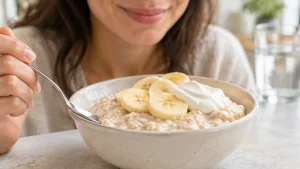
- Oatmeal
- Plain yogurt
- Bananas
- Soft tofu
- Steamed cauliflower
- Bread with a suitable filling
These foods are not guaranteed to prevent staining, and you do not need to eat only pale foods unless there is a specific reason to do so.
When sensitivity is your main concern, texture and temperature may be more important than colour.
For meal ideas, breakfast suggestions, and drink options, see our dedicated article on foods to eat after teeth whitening.
What Happens if You Accidentally Eat Something on the Avoid List?
Eating a dark-coloured food after whitening does not automatically mean the treatment has failed.
There is no reliable basis for predicting that one meal will undo your whitening results.
If you have already consumed coffee, tomato sauce, curry, or another food mentioned in your instructions, there is usually no reason to panic.
1. Rinse Your Mouth With Water
Drinking or gently rinsing with water can help remove food residues from the mouth.
This will not guarantee that stains cannot develop, but it is a simple oral hygiene measure.
2. Continue Your Normal Dental Care Routine
Brush twice daily with fluoride toothpaste and use appropriate interdental cleaning methods.
If you recently consumed acidic foods or drinks, avoid immediately scrubbing your teeth aggressively.
Follow your dentist’s advice about brushing and sensitivity.
3. Do Not Apply Extra Whitening Products
Do not use additional whitening gel, repeat strips, or extend treatment time to compensate for eating a coloured food.
Overusing bleaching products can increase sensitivity and gum irritation without necessarily improving the final result.
4. Monitor Your Comfort
If the food was particularly hot, cold, or acidic and your teeth feel uncomfortable, avoid that trigger temporarily.
Persistent pain should be discussed with a dental professional rather than attributed automatically to something you ate.
How to Reduce Future Tooth Staining Without Restricting Your Diet
Long-term habits are relevant to maintaining the appearance of your teeth after whitening.
You do not need to eliminate every pigmented food to maintain good oral hygiene.
Instead, consider these practical steps.
Reduce Frequent Exposure to Staining Beverages
Repeatedly sipping coffee, tea, or other pigmented drinks throughout the day can increase the time teeth are exposed to staining substances.
Choosing water between drinks may help reduce prolonged exposure.
Maintain Good Oral Hygiene
Brush twice a day with fluoride toothpaste and clean between teeth using floss or another appropriate interdental device.
Avoid highly abrasive powders or aggressive brushing techniques intended to remove stains quickly.
Avoid Smoking and Tobacco
Tobacco products can contribute to yellow and brown external staining and are associated with significant oral health risks.
Avoiding tobacco offers benefits beyond the cosmetic appearance of teeth.
Arrange Dental Cleaning When Needed
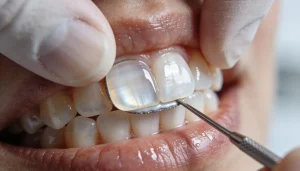
Professional dental cleaning can remove plaque, tartar, and certain external surface stains.
It does not chemically bleach natural tooth colour, but it can be useful when staining or deposits accumulate.
Ask your dentist whether professional teeth cleaning in Dubai is appropriate for your oral health.
Discuss Whitening Touch-Ups Before Repeating Treatment
Whitening results are not permanent, but new discolouration does not always mean another bleaching session is required.
Consult your dentist before repeating whitening products, especially if you have sensitivity or existing restorations.
For a more detailed long-term plan, read how to maintain teeth whitening results.
When Should You Contact a Dentist After Whitening?
Mild temporary sensitivity may occur after whitening and often improves after the treatment stops.
However, persistent or severe pain may have another cause and should not be ignored.
Contact a dental professional if you experience:
- Severe or worsening tooth sensitivity
- Pain that continues longer than expected
- Discomfort affecting one particular tooth
- Pain when chewing or biting
- Significant gum soreness or irritation
- Difficulty eating or drinking because of pain
- Unexpected symptoms after an at-home whitening product
Tell the dentist which whitening method you used, when the treatment took place, and whether specific foods or temperatures trigger symptoms.
For more information about your treatment choices, visit our guide to teeth whitening for sensitive teeth.
Frequently Asked Questions About Foods to Avoid After Teeth Whitening
What foods should I avoid after teeth whitening?
If your dentist has recommended temporary pigment restrictions, examples may include dark berries, tomato-based sauces, curry, and strongly coloured condiments. If your teeth are sensitive, very hot, cold, or acidic foods may also be uncomfortable. There is no universal ban on all coloured foods.
Can I drink coffee after teeth whitening?
In many cases, yes, although you should follow your dentist’s instructions. Research has not shown that a strict short-term white diet significantly improves bleaching outcomes. Frequent coffee consumption can still contribute to external staining over time.
How long should I avoid coffee after teeth whitening?
There is no evidence-based universal waiting period for everyone. Some dentists recommend temporary restrictions, but the duration depends on the treatment and individual instructions. Ask your dental professional if the timing is unclear.
Can I eat chocolate after teeth whitening?
Chocolate is not universally prohibited. If you were advised to avoid strongly coloured foods, follow that guidance. Regardless of whitening, frequent sugary snacks should be limited to reduce cavity risk.
Can I eat pizza after teeth whitening?
Pizza is not automatically forbidden. Tomato sauce may be acidic and pigmented, while very hot pizza can be uncomfortable for sensitive teeth. Choose according to your comfort and the instructions for your treatment.
Can I eat curry after teeth whitening?
Curry may contain strongly coloured spices, so it is commonly included in temporary pigment-restriction advice. However, one curry meal does not automatically reverse whitening results. Follow your dentist’s specific recommendations.
Can I eat blueberries or blackberries after teeth whitening?
Yes, unless your dentist has recommended a temporary restriction that includes strongly pigmented foods. Clinical studies do not support banning all coloured fruits after bleaching.
Can I drink cola after teeth whitening?
Follow your treatment instructions. Cola may contain pigments and is acidic, while regular versions also contain sugar. Frequent acidic or sugary drink consumption can affect dental health independently of bleaching.
Should I avoid lemon and citrus fruits after whitening?
Citrus fruits are not automatically prohibited because of their colour. Their acidity may cause discomfort if your teeth are sensitive. If an acidic food triggers pain, avoid it temporarily and seek dental advice if symptoms persist.
Is a white diet necessary after teeth whitening?
No, not generally. Systematic reviews of clinical studies have found no significant improvement in whitening effectiveness from strict white diets compared with unrestricted diets. Follow any individual recommendations from your dentist.
Do I have to avoid coloured foods for 48 hours?
Not necessarily. The traditional 24-to-48-hour recommendation is not a universal evidence-based requirement. Your dentist may provide specific instructions based on the treatment used and your oral health.
What happens if I eat dark food immediately after whitening?
One meal does not necessarily change your whitening result. You can rinse with water and continue normal oral hygiene. Do not apply extra whitening products to compensate.
Can I eat spicy foods after teeth whitening?
Spicy foods are not automatically associated with bleaching failure. However, strongly coloured sauces may be included in individual pigment-related advice, and spicy foods may irritate sensitive oral tissues in some patients.
What should I avoid if my teeth hurt after whitening?
Temporarily avoid foods or drinks that trigger discomfort, often including very hot, cold, or acidic items. Contact a dental professional if pain is severe, worsening, or persistent.
What is the safest drink after teeth whitening?
Plain water is a practical option because it contains no staining pigments or added sugar. If you have temporary sensitivity, choose a comfortable temperature rather than ice-cold water.
Will avoiding coloured foods keep my teeth white permanently?
No. Whitening results naturally change over time. Oral hygiene, staining habits, tobacco exposure, and other individual factors influence long-term tooth colour. A permanently restrictive diet is not necessary or recommended solely to maintain bleaching results.
Get Personalised Teeth Whitening Aftercare at Alma Polyclinic Dubai
Understanding foods to avoid after teeth whitening can make the days after treatment more comfortable, but you do not need to eliminate every coloured food from your diet.
Focus on following your specific whitening instructions, avoiding foods that trigger sensitivity, maintaining good oral hygiene, and managing long-term staining habits.
At Alma Polyclinic in Jumeirah, Dubai, patients can discuss professional whitening, dietary concerns, tooth sensitivity, and ongoing dental care with the team.
Learn more about our teeth whitening services in Dubai or book a dental consultation to receive recommendations based on your individual needs.
Call / WhatsApp: +97142666227
Website: https://almapolyclinic.com
Clinic Address: Villa 1033, Al Wasl Road, opposite Union Coop, Umm Suqeim, Dubai, United Arab Emirates.
Medical disclaimer: This article provides general educational information and does not replace professional dental advice. Dietary guidance, temporary sensitivity, and post-whitening instructions may vary according to the treatment and individual oral health.