About the Author and Medical Reviewer
Learn more about the professionals responsible for writing and medically reviewing this article.

Alma Polyclinic Editorial Team
Medical Content Team at Alma Polyclinic
The Alma Polyclinic Editorial Team creates clear, patient-focused health content based on trusted medical sources and clinical guidance from our doctors.
View author profile
Dr. Tamara AK
General Dentist | Cosmetic & Aesthetic Dentistry at Alma Polyclinic
This article was reviewed for clinical accuracy, relevance and patient safety by Dr. Tamara AK.
View doctor profileFinding the best teeth whitening for sensitive teeth can be challenging. You want a brighter smile, but the thought of sharp discomfort from cold drinks, whitening strips, or professional bleaching may make you hesitate. The good news is that having sensitive teeth does not always mean you must avoid whitening. It does mean that the cause of your sensitivity should be assessed before selecting a treatment.
What is the best way to whiten sensitive teeth? For mild surface stains, an appropriate fluoride toothpaste with gentle stain-removal properties may be a reasonable starting point. For a more noticeable shade change, dentist-supervised whitening with an individually adjusted treatment protocol may be suitable. Custom trays, carefully selected bleaching agents, and desensitising products can be considered depending on your dental examination. No method guarantees that sensitivity will not occur.
At Alma Polyclinic in Jumeirah, Dubai, patients can discuss tooth sensitivity, discolouration, and suitable whitening options with the dental team. This guide compares whitening toothpaste, strips, professional treatments, and dentist-supervised home whitening while explaining how to reduce avoidable discomfort.
Can You Whiten Sensitive Teeth Safely?
Yes, some people with sensitive teeth can undergo whitening safely, but suitability depends on why their teeth are sensitive and how the treatment is performed.
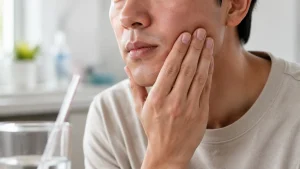
Tooth sensitivity may occur when exposed dentin responds to cold, heat, sweet foods, or other stimuli. It may be associated with gum recession, tooth wear, cavities, cracks, or other dental conditions.
Whitening itself can also cause temporary sensitivity, even in people who did not experience discomfort beforehand.
This distinction is important:
- Existing tooth sensitivity: Discomfort was present before whitening and may have an underlying dental cause.
- Bleaching-related sensitivity: Discomfort begins or increases during or after whitening treatment.
If you already experience frequent sensitivity, a dental examination should come before cosmetic bleaching. Treating an underlying problem may be more important than choosing a whitening product.
At Alma Polyclinic, professional teeth whitening in Dubai begins with an assessment of tooth colour, oral health, restorations, and sensitivity history.
Best Teeth Whitening Options for Sensitive Teeth Compared
There is no universally superior whitening product for every sensitive smile. The following comparison explains which approaches may be worth discussing and what limitations to consider.
| Whitening Option | What It Can Do | Sensitivity Considerations | Best Considered When |
|---|---|---|---|
| Gentle whitening toothpaste | Primarily removes surface stains | Choose an appropriate fluoride formula; avoid overly abrasive products | You have mild coffee or tea staining and want gradual maintenance |
| Toothpaste for sensitive teeth | Supports oral care and may help manage sensitivity | Desensitising ingredients vary; not every formula provides significant whitening | Controlling sensitivity is the immediate priority |
| Whitening strips | Peroxide-based versions may lighten natural teeth | Can cause sensitivity or gum irritation; suitability varies | A dentist confirms that an over-the-counter product is appropriate |
| Dentist-supervised home whitening | Gradual bleaching of suitable natural teeth | Tray fit, gel amount, application time, and schedule can be reviewed | You want a noticeable colour change with professional guidance |
| In-office dental whitening | Professional bleaching in a clinical setting | Temporary sensitivity is possible; the protocol should reflect your needs | You prefer treatment performed and monitored at a dental clinic |
| Professional dental cleaning | Removes plaque, tartar, and certain external stains | Does not chemically bleach teeth; sensitivity may still need consideration | Deposits and surface stains are the main cause of discolouration |
Important: A product described as gentle, sensitive, peroxide-free, or enamel-safe is not automatically appropriate for everyone. Check the specific formula, instructions, and clinical evidence rather than relying on packaging claims.
For a product-focused comparison, our guide to the best teeth whitening toothpaste in Dubai reviews several available options and their ingredient considerations.
Why Does Teeth Whitening Cause Sensitivity?
Professional and many over-the-counter bleaching products use hydrogen peroxide or carbamide peroxide to break down coloured compounds within natural teeth.
During bleaching, peroxide can diffuse through tooth tissues and produce a temporary response involving the dental pulp. This helps explain why some patients notice short, sharp sensitivity during or after treatment.
The likelihood and intensity of discomfort can be influenced by several factors.
Peroxide Concentration
Higher concentrations are not automatically better for sensitive teeth.
Clinical evidence suggests that some lower- or moderate-concentration protocols can achieve effective whitening while reducing sensitivity compared with more intensive alternatives.
However, concentration alone does not determine safety. The complete formulation and treatment schedule matter.
Application Time and Frequency
Leaving whitening gel on the teeth longer than directed or repeating applications too frequently may increase discomfort.
Patients should follow the prescribed schedule and avoid increasing gel quantity or treatment duration to speed up results.
Pre-Existing Dental Problems
Untreated cavities, cracked teeth, gum recession, exposed roots, and significant tooth wear can make whitening more uncomfortable or inappropriate until the underlying problem is assessed.
A dentist may recommend treating these conditions before beginning cosmetic bleaching.
Whitening Product Placement
Ill-fitting trays, excess whitening gel, or incorrectly positioned strips can allow bleaching materials to contact the gums.
This can contribute to soft-tissue irritation, white patches, or soreness.
Our guide to safe teeth whitening in Dubai explains the different methods and their recognised risks in greater detail.

Which Whitening Treatment Is Best for Different Types of Sensitivity?
Choosing the right method starts with identifying your symptoms. The following examples can help you understand when whitening may be considered and when an examination should come first.
| Your Situation | Appropriate First Step | Whitening Consideration |
|---|---|---|
| Mild general sensitivity to cold drinks | Dental assessment and sensitivity management | Gradual dentist-supervised whitening may be considered |
| One tooth suddenly becomes sensitive | Check for decay, cracks, or other causes | Delay whitening until the cause is understood |
| Gum recession and exposed roots | Evaluate recession and exposed dentin | Bleaching requires careful planning; root surfaces need protection |
| Sensitivity after previous whitening | Review the previous product and reaction | A modified protocol or a different method may be appropriate |
| Severe or persistent sensitivity | Professional dental examination | Do not start elective whitening before assessment |
| Mild stains without significant sensitivity | Check oral hygiene and surface deposits | Gentle stain removal or professional cleaning may be sufficient |
This table is for general guidance. It does not replace a diagnosis or establish which whitening system is safe for an individual patient.
Is Whitening Toothpaste a Good Choice for Sensitive Teeth?
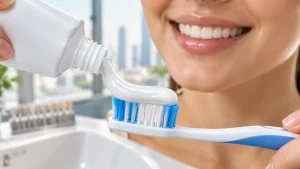
Whitening toothpaste for sensitive teeth can be useful when your main concern is mild surface discolouration rather than a major change in natural tooth shade.
Many whitening toothpastes contain cleaning and polishing ingredients designed to reduce external stains from coffee, tea, and certain foods.
Toothpastes formulated for sensitivity may also contain ingredients that help reduce discomfort, although the mechanism and effectiveness depend on the formula.
What Ingredients Should You Look For?
- Fluoride: Supports cavity prevention and enamel health. For most adults, toothpaste containing at least 1350 ppm fluoride is generally recommended.
- Potassium nitrate: Used in certain sensitivity products and desensitising protocols.
- Stannous fluoride: Used in some toothpastes for cavity prevention and sensitivity-related benefits.
- Appropriate polishing ingredients: Help remove surface stains when formulated for safe everyday brushing.
The presence of an ingredient does not guarantee that the product will prevent whitening-related sensitivity.
For example, potassium-nitrate-based desensitising agents have shown potential to reduce discomfort in some whitening studies, but the size and consistency of the benefit vary.
What Should You Avoid?
Be cautious with aggressive stain-removal products, highly abrasive powders, charcoal mixtures, and acidic homemade whitening methods.
Using lemon juice, vinegar, or abrasive materials is not a reliable way to whiten teeth and may cause unnecessary tooth wear or irritation.
Most importantly, do not brush harder in an attempt to improve whitening results.
Can Sensitivity Toothpaste Make Teeth Significantly Whiter?
Not necessarily.
Many sensitivity toothpastes are designed primarily for oral protection and comfort. Whitening versions may reduce surface staining but usually do not provide the same type of shade change as professional bleaching.
If deeper yellowing or internal discolouration concerns you, a dentist can explain whether bleaching or another cosmetic approach is suitable.
Are Whitening Strips Safe for Sensitive Teeth?
Whitening strips are convenient because they can be applied at home, but they may contain peroxide-based bleaching ingredients that cause temporary sensitivity.
Some products are marketed specifically for sensitive teeth, yet the label alone does not establish how an individual will respond.
Before choosing strips, consider:
- The exact ingredients and concentration
- Recommended application time
- Instructions for use and warnings
- Existing tooth sensitivity or gum recession
- Whether strips can be positioned without irritating the gums
- Any previous reaction to whitening products
If sensitivity develops during use, follow the product’s stop-use instructions and seek dental advice when discomfort persists or concerns you.
Do not use strips more frequently than recommended or combine them with additional whitening gels to achieve faster results.
Products described as peroxide-free may rely mainly on stain removal or other mechanisms. Their effectiveness and safety must be evaluated for the specific formulation; peroxide-free does not automatically mean risk-free.
Why Dentist-Supervised Home Whitening May Be Worth Considering
For patients who want more than surface-stain removal, dentist-supervised home whitening may offer a way to pursue gradual bleaching with an individual treatment plan.
The process generally begins with an examination of the teeth and gums.
If the dentist determines that whitening is appropriate, custom trays and a selected bleaching gel may be provided with instructions for application.
Potential Advantages of Custom Whitening Trays
- Tray fit can be assessed by the dentist.
- Gel quantity and treatment duration can be explained.
- The whitening schedule can be reviewed if sensitivity occurs.
- Existing crowns, fillings, and exposed root areas can be considered during planning.
- Patients can contact the dental team if they experience unexpected discomfort.
However, customised trays do not eliminate all sensitivity or guarantee better results than every other whitening product.
Incorrect gel quantity, extended wearing time, or unsuitable use can still irritate teeth and gums.
Does Lower-Concentration Whitening Gel Help?
In some situations, a dentist may consider a less intensive bleaching protocol or a modified application schedule when sensitivity is a concern.
Evidence suggests that avoiding unnecessarily high peroxide concentrations may reduce discomfort while maintaining useful whitening results in certain protocols.
Nevertheless, the appropriate product and concentration must be selected according to individual clinical circumstances.
Patients should not independently dilute whitening gels or substitute one formulation for another.
Is Professional In-Office Whitening Better for Sensitive Teeth?
In-office teeth whitening provides direct supervision and allows the dental team to use appropriate soft-tissue protection and monitor the procedure.
That can be valuable for patients with concerns about sensitivity or uncertainty regarding at-home products.
However, some in-office systems use relatively concentrated peroxide formulations, and temporary sensitivity remains possible.
Professional treatment is therefore not automatically the most comfortable method for everyone.
What About Laser or LED Teeth Whitening?
Laser and LED systems are sometimes advertised as faster or more advanced ways to whiten teeth.
However, research has not consistently shown that adding light activation improves final whitening outcomes compared with appropriate bleaching protocols without additional light.
Certain light-assisted approaches may also increase sensitivity.
If you are considering a laser or LED system, ask your dentist whether the additional light provides a demonstrated benefit for your particular treatment plan.
What Should You Ask Before In-Office Whitening?
- Is my existing sensitivity a reason to delay treatment?
- Which bleaching system is being recommended?
- What side effects are possible?
- How will my gums and exposed root surfaces be protected?
- Can the treatment be modified if discomfort occurs?
- What should I do if sensitivity continues after the appointment?
A good whitening consultation should explain both the expected cosmetic improvement and the limitations of the treatment.
Can Desensitising Toothpaste and Fluoride Help Before Whitening?
Dentists sometimes recommend sensitivity-management strategies before or during a whitening programme.
These may include appropriate fluoride toothpaste, potassium-nitrate-containing products, or other professional desensitising agents.
Research suggests that some topical desensitising protocols can reduce the intensity of bleaching-related sensitivity. However, the evidence varies, and the benefit is not guaranteed.
Daily fluoride toothpaste also remains important for cavity prevention, regardless of whether you decide to whiten your teeth.
Do not apply professional-strength desensitising gels or medications without instructions from a qualified dental professional.
How to Reduce Teeth Sensitivity During Whitening
Several practical precautions may help reduce avoidable irritation during a whitening programme.
- Have your teeth examined first. Investigate untreated cavities, cracks, gum recession, or unexplained sensitivity.
- Choose an appropriate whitening protocol. Discuss concentration, exposure time, and frequency with your dentist.
- Use products exactly as directed. More gel and longer treatment do not guarantee better results.
- Avoid combining whitening products. Using strips, whitening gels, and other treatments together may increase irritation.
- Maintain gentle oral hygiene. Brush with suitable fluoride toothpaste and avoid aggressive scrubbing.
- Discuss desensitising products. Your dentist may recommend a sensitivity-focused toothpaste or another intervention.
- Monitor your symptoms. If discomfort increases, stop the product as directed and consult your dental professional.
There is no need to tolerate severe pain to complete a cosmetic whitening course.
What to Do If Your Teeth Hurt After Whitening
Temporary sensitivity is one of the most common side effects of bleaching.
It may feel like brief discomfort when drinking cold water, breathing cold air, or consuming hot or sweet foods.
Mild whitening-related sensitivity often improves after treatment ends, but not every episode of tooth pain should be attributed to bleaching.
Managing Mild Temporary Sensitivity
- Pause further whitening if instructed by your dentist or the product label.
- Brush gently with an appropriate fluoride toothpaste.
- Use a sensitivity toothpaste if recommended.
- Avoid very hot or cold foods temporarily if they trigger discomfort.
- Do not increase bleaching frequency or use stronger products.
- Follow any individual aftercare instructions provided by your dental team.
When Should You Contact a Dentist?
Arrange a dental examination if you experience:
- Severe or worsening pain
- Sensitivity that does not improve after treatment stops
- Pain affecting only one specific tooth
- Pain when biting or chewing
- Swollen, bleeding, or significantly irritated gums
- Persistent white patches or burns on gum tissue
- Unexpected discomfort that interferes with eating or sleeping
A dentist can assess whether the symptoms are related to whitening or another dental condition.
For further guidance, see our teeth whitening aftercare tips.
Can You Whiten Teeth With Receding Gums or Exposed Roots?
Gum recession can expose parts of the tooth root that are normally covered by gum tissue.
Exposed root surfaces may be more sensitive to temperature changes and other stimuli.
Whitening products should not be applied to these areas without appropriate professional consideration.
Depending on your condition, the dentist may recommend treating the underlying sensitivity, protecting exposed surfaces, or choosing a different cosmetic approach.
Significant gum recession is a reason for an examination, not necessarily a permanent reason why whitening can never be considered.
What If You Have Crowns, Veneers, or Fillings?
Whitening treatment primarily affects natural tooth structure.
Dental crowns, veneers, and tooth-coloured fillings do not bleach in the same way as natural teeth.
This can cause differences in shade when the natural teeth become lighter but existing restorations remain unchanged.
Before whitening, discuss any visible dental work with your dentist.
In some cases, professional cleaning may be sufficient to improve appearance. In others, cosmetic restorations may need separate consideration after the natural tooth shade has stabilised.
Explore cosmetic dentistry in Dubai if your concerns involve tooth shape, existing restorations, and colour together.
How Much Does Teeth Whitening for Sensitive Teeth Cost in Dubai?
The cost of teeth whitening for sensitive teeth in Dubai depends on the product or treatment selected and whether additional dental care is needed first.
A sensitivity-focused toothpaste generally has a different cost from whitening strips or a dentist-supervised bleaching programme.
A professional treatment estimate may also depend on:
- The type of whitening system
- Initial dental examination and assessment
- Whether custom trays are required
- The number and duration of treatment sessions
- Whether sensitivity management is recommended
- Any dental cleaning or restorative treatment needed beforehand
- Follow-up appointments and future maintenance
A higher price does not automatically mean less sensitivity or better whitening.
Before proceeding, ask for a clear explanation of the treatment, expected costs, side effects, and what is included.
How to Maintain Whitening Results Without Increasing Sensitivity
Whitening results are not permanent, and repeated bleaching should not be treated as an automatic maintenance requirement.
Protecting your oral health and managing new stains is often a better starting point.
Everyday Maintenance Habits
- Brush twice daily with suitable fluoride toothpaste.
- Clean between your teeth every day.
- Use gentle brushing techniques.
- Reduce continuous exposure to coffee, tea, and other staining drinks.
- Drink water regularly.
- Avoid smoking and tobacco products.
- Attend dental examinations and professional cleaning appointments as recommended.
- Ask your dentist before repeating whitening treatment.
If you notice new discolouration, it may be caused by surface stains rather than a change requiring another bleaching session.
Our guide on how to maintain teeth whitening results explains long-term care, stain prevention, and when touch-ups may be appropriate.
Frequently Asked Questions About Teeth Whitening for Sensitive Teeth
What is the best teeth whitening for sensitive teeth?
There is no single method that is best for everyone. Gentle whitening toothpaste may help with surface stains, while dentist-supervised whitening may be considered for deeper colour changes. The most suitable method depends on the cause and severity of sensitivity, the condition of your teeth, and the treatment protocol.
Can I whiten my teeth if they are already sensitive?
Possibly. Some people with mild, well-managed sensitivity can undergo whitening, but unexplained or persistent symptoms should be assessed first. Your dentist can determine whether treatment should proceed, be modified, or be postponed.
Is whitening toothpaste safer than whitening strips?
Whitening toothpaste generally focuses on surface-stain removal, while many whitening strips use peroxide to bleach natural teeth. However, safety depends on the exact formulation and how the product is used. Neither category is automatically suitable for all sensitive teeth.
Are whitening strips for sensitive teeth completely pain-free?
No. Products marketed for sensitive teeth may still cause temporary sensitivity or gum irritation. Follow the instructions carefully and stop using the product as directed if discomfort becomes significant.
Does professional whitening cause sensitivity?
It can. Temporary tooth sensitivity is a recognised side effect of professional whitening. Your dentist may consider modifying the treatment protocol or using suitable sensitivity-management measures, but discomfort cannot be ruled out completely.
Is laser teeth whitening better for sensitive teeth?
Not necessarily. Clinical research does not consistently show that laser or LED activation improves whitening results compared with suitable bleaching protocols without additional light. Some approaches may increase sensitivity.
Can Sensodyne or another sensitivity toothpaste help before whitening?
Certain sensitivity toothpastes may help manage dentin hypersensitivity, depending on their active ingredients. However, they do not guarantee that bleaching will be comfortable. Ask your dentist which formula is appropriate for your symptoms.
How long does teeth sensitivity last after whitening?
Temporary sensitivity often improves within a few days after treatment, but the duration varies. Severe, worsening, persistent, or one-sided discomfort should be assessed by a dental professional.
Can I use whitening toothpaste every day if I have sensitive teeth?
Some fluoride whitening toothpastes are designed for daily use, but suitability depends on the formula and your oral health. Choose a product with appropriate sensitivity guidance and avoid abrasive products that cause discomfort.
Does peroxide-free whitening work for sensitive teeth?
Some peroxide-free products focus on removing surface stains rather than chemically bleaching internal tooth colour. Their effectiveness and safety depend on the ingredients and clinical evidence for the specific product. Peroxide-free does not guarantee sensitivity-free treatment.
Should I stop whitening if my teeth become painful?
Follow the product instructions and stop or pause use when advised. Do not continue through severe pain or independently increase the treatment schedule. Contact your dentist if symptoms are persistent, severe, worsening, or otherwise concerning.
How much does sensitive teeth whitening cost in Dubai?
Prices vary between whitening toothpastes, strips, custom home trays, and professional treatments. The total cost may also include examination, cleaning, sensitivity management, or follow-up care. A dental consultation can clarify appropriate options and the expected fee.
Find a Whitening Option That Suits Your Teeth at Alma Polyclinic Dubai
Finding the best teeth whitening for sensitive teeth starts with understanding why your teeth are sensitive and identifying the type of discolouration you want to improve.
For mild surface stains, good oral hygiene and suitable stain-removal products may be enough. For a more noticeable change, dentist-supervised whitening may be an option when your teeth and gums are healthy enough for treatment.
At Alma Polyclinic in Jumeirah, Dubai, patients can discuss their whitening goals and sensitivity concerns with the dental team.
Dr. Homa Shahakbari, Founder and Cosmetic & General Dentist at Alma Polyclinic, provides cosmetic and restorative dental consultations.
Explore our teeth whitening services in Dubai or book a dental consultation to discuss a treatment approach that matches your needs.
Call / WhatsApp: +97142666227
Website: https://almapolyclinic.com
Clinic Address: Villa 1033, Al Wasl Road, opposite Union Coop, Umm Suqeim, Dubai, United Arab Emirates.
Medical disclaimer: This article provides general educational information and does not replace a professional dental examination, diagnosis, or personalised treatment advice. Whitening suitability, sensitivity, risks, and results vary between individuals.