
About the Author and Medical Reviewer
Learn more about the professionals responsible for writing and medically reviewing this article.

Alma Polyclinic Editorial Team
Medical Content Team at Alma Polyclinic
The Alma Polyclinic Editorial Team creates clear, patient-focused health content based on trusted medical sources and clinical guidance from our doctors.
View author profile
Dr. Homa Shahakbari
Founder & CEO | Cosmetic & General Dentist at Alma Polyclinic
This article was reviewed for clinical accuracy, relevance and patient safety by Dr. Homa Shahakbari.
View doctor profileWondering how to maintain teeth whitening results after your treatment in Dubai? Professional whitening can make natural teeth appear noticeably brighter, but the effects are not permanent. Coffee, tea, tobacco, daily oral hygiene, and natural changes in tooth colour can all influence how long your results remain visible.
How can you make teeth whitening last longer? Brush twice daily with fluoride toothpaste, clean between your teeth, reduce frequent exposure to staining drinks, avoid tobacco, attend dental cleaning appointments when recommended, and discuss whitening touch-ups with your dentist rather than repeatedly bleaching at home.
At Alma Polyclinic in Jumeirah, Dubai, whitening maintenance is considered part of a personalised cosmetic dental plan. The goal is not to keep teeth artificially white at any cost, but to maintain a natural-looking improvement while protecting enamel, gums, and existing dental restorations.
This guide focuses on the weeks, months, and years after whitening. For immediate post-treatment advice, including temporary sensitivity and the first 24 to 48 hours, see our teeth whitening aftercare guide.
How Long Do Teeth Whitening Results Last?
Teeth whitening is not permanent. Results can remain noticeable for months or longer, but the duration varies substantially between patients.
The NHS states that whitening effects may last for around three years in some circumstances when patients follow their dentist’s guidance. This is not a guaranteed lifespan or an average that applies to every treatment.
How long your teeth stay lighter depends on factors such as:
- Your original tooth shade and type of discolouration
- Whether you received in-office or dentist-supervised home whitening
- The whitening product and treatment protocol
- How frequently you drink coffee, tea, or other staining beverages
- Smoking and tobacco exposure
- Your brushing and interdental cleaning habits
- The presence of dental crowns, veneers, or fillings
- Natural ageing and changes in dental tissues
Some people notice gradual staining sooner than others. A small change in shade does not necessarily mean the whitening treatment has failed.
Why Can Teeth Look Slightly Different Soon After Whitening?
Tooth shade can be affected by temporary changes in hydration during dental procedures. Dehydrated teeth may appear lighter, and their appearance can change as they rehydrate.
For that reason, the appearance immediately after an appointment may not be identical to the shade seen later under normal conditions.
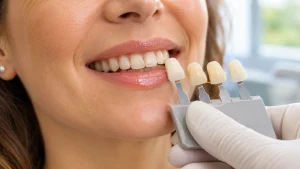
Your dentist can help assess your final result using consistent lighting, photographs, or a professional shade guide when appropriate.
10 Ways to Make Teeth Whitening Last Longer
The most effective whitening maintenance routine combines everyday oral hygiene, realistic dietary habits, professional dental care, and appropriate touch-ups.
1. Brush Twice Daily With Fluoride Toothpaste
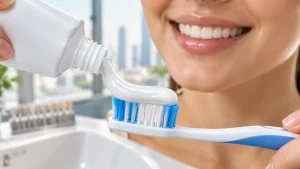
Good brushing habits help remove plaque and surface deposits that can make teeth look dull or discoloured.
For most adults, the NHS recommends brushing for approximately two minutes, twice daily, with toothpaste containing at least 1350 ppm fluoride.
Use a soft-bristled toothbrush and gentle pressure. Brush the front, back, and chewing surfaces of your teeth.
After brushing, spit out excess toothpaste rather than immediately rinsing with water, unless your dental professional recommends otherwise. This helps keep fluoride in contact with the teeth.
Practical tip: A more aggressive brushing technique will not make bleaching results last longer. Excessive force can contribute to gum irritation and tooth wear.
2. Clean Between Your Teeth Every Day
Plaque and staining can accumulate in areas a toothbrush does not clean effectively.
Floss or use an interdental cleaning tool recommended by your dentist to remove plaque and food debris between teeth.
Consistent interdental cleaning supports gum health and helps reduce deposits that may affect the appearance of your smile.
If you are unsure how to combine brushing with whitening products, read our guide to teeth whitening before or after brushing.
3. Reduce Frequent Coffee and Tea Exposure
Coffee and tea contain pigments that can contribute to external tooth staining over time.
You do not necessarily need to stop drinking them completely. Instead, consider how often and how long your teeth are exposed throughout the day.
For example, drinking coffee during a break creates a different exposure pattern from taking small sips continuously for several hours.
Helpful habits include:
- Drink water after coffee or tea.
- Avoid holding coloured beverages in your mouth.
- Reduce continuous sipping throughout the day.
- Choose water between meals and beverages.
- Maintain regular brushing without aggressive stain scrubbing.
These habits may help reduce new staining, but they cannot guarantee that your teeth will remain the same shade indefinitely.
4. Limit Acidic Drinks and Protect Your Enamel
Soft drinks, energy drinks, citrus beverages, and other acidic products can contribute to dental erosion when consumed frequently.
Erosion is different from staining. It involves the chemical loss of dental hard tissue and may influence tooth sensitivity and appearance.
If you regularly drink acidic beverages:
- Reduce how frequently you consume them.
- Avoid swishing or holding acidic drinks against your teeth.
- Drink plain water after exposure.
- Consider having acidic drinks with meals rather than sipping them throughout the day.
- Use gentle brushing techniques and fluoride toothpaste.
If you have significant sensitivity or signs of erosion, ask your dentist for individual advice about brushing timing and enamel protection.
Remember: Dental whitening does not treat enamel erosion or restore lost tooth structure.
5. Avoid Smoking and Tobacco Products
Tobacco use is strongly associated with external tooth staining and several serious oral health problems.
Smoking can contribute to yellow or brown deposits that make teeth appear darker over time.
Avoiding tobacco helps reduce new staining and also benefits gum health.
For patients who smoke, reducing tobacco exposure or stopping altogether may have a greater long-term effect on stain prevention than repeatedly purchasing whitening products.
6. Choose Whitening Toothpaste Carefully
Whitening toothpaste can help remove certain surface stains between professional treatments.
However, most whitening toothpastes work primarily by cleaning and polishing the external tooth surface. They do not reproduce the effects of professional bleaching on deeper discolouration.
When choosing toothpaste, prioritise:
- A suitable fluoride concentration for daily cavity prevention
- Ingredients appropriate for your tooth sensitivity
- A formulation intended for regular use
- Avoiding unnecessarily abrasive powders or aggressive polishing methods
If you have sensitive teeth, a fluoride toothpaste formulated for sensitivity may be more appropriate than a product marketed primarily for dramatic whitening.
Do not assume charcoal toothpaste, lemon juice, vinegar, or homemade abrasive mixtures are safe ways to maintain bleaching results.
Our article on teeth whitening at home explains the limitations and risks of popular DIY whitening methods.
7. Schedule Professional Dental Cleaning When Appropriate
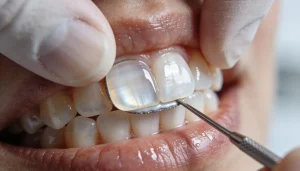
Professional dental cleaning can remove plaque, hardened tartar, and certain external stains that cannot be eliminated through routine brushing alone.
This can make teeth appear cleaner and may help maintain the overall appearance of a whitened smile.
However, professional cleaning is not the same as bleaching. It does not necessarily make the internal colour of your natural teeth lighter.
Your dentist or hygienist should recommend a cleaning schedule based on your oral health needs rather than assuming every patient requires the same interval.
Learn about professional teeth cleaning in Dubai at Alma Polyclinic.
8. Use Whitening Touch-Ups Only When Needed
Some people eventually choose a whitening touch-up when their tooth shade changes over time.
However, there is no universal rule that everyone should repeat bleaching every three, six, or twelve months.
The appropriate schedule depends on the original treatment, current tooth colour, sensitivity, existing restorations, and individual preferences.
If you have custom whitening trays prescribed by your dentist, do not automatically reuse old gel or purchase stronger products without checking whether the treatment remains appropriate.
Professional advice can help determine whether you need a touch-up at all, or whether cleaning away surface stains would be sufficient.
9. Stay Hydrated and Manage Dry Mouth
Saliva plays an important role in maintaining oral health by helping clear food particles, neutralise acids, and protect dental tissues.
If you experience persistent dry mouth, plaque accumulation and oral health problems may become more difficult to manage.
In Dubai’s warm climate, drinking water regularly is a practical habit, particularly during outdoor activities or long working days.
Hydration does not bleach teeth or directly guarantee longer-lasting whitening. Its benefit is supporting normal oral function and helping reduce prolonged exposure to residues and acids.
If dry mouth is persistent, speak with your dentist because medication, medical conditions, and other factors may contribute.
10. Attend Regular Dental Examinations
Routine dental examinations help identify problems that can affect both oral health and the appearance of your smile.
Your dentist may assess:
- New surface staining and tartar accumulation
- Tooth decay and enamel wear
- Gum inflammation or recession
- Changes in sensitivity
- Existing veneers, crowns, and fillings
- Whether further whitening is appropriate
The recommended recall interval depends on your individual risk factors and dental history.
For broader maintenance advice, explore how to maintain your smile after cosmetic dental procedures.
Long-Term Teeth Whitening Maintenance: A Practical Schedule
Maintaining a brighter smile does not require complicated daily treatments. A consistent routine is generally more useful than frequent cosmetic interventions.
| Frequency | Recommended Habit | Purpose |
|---|---|---|
| Every morning and night | Brush gently with fluoride toothpaste | Reduce plaque and support enamel health |
| Every day | Clean between teeth using floss or suitable interdental tools | Reduce plaque in difficult-to-reach areas |
| After staining or acidic drinks | Drink or rinse with water as appropriate | Reduce lingering pigments and acids |
| Throughout the year | Limit smoking and prolonged exposure to staining beverages | Reduce the development of new surface stains |
| At dentist-recommended intervals | Attend dental check-ups and professional cleaning | Monitor oral health and manage deposits |
| When a noticeable shade change develops | Ask whether cleaning or a whitening touch-up is appropriate | Avoid unnecessary repeated bleaching |
This is a general maintenance framework rather than a personalised treatment schedule.
Why Do Teeth Become Yellow Again After Whitening?
Teeth may gradually appear darker after whitening for several reasons. Identifying the cause matters because not all discolouration responds to the same treatment.
New Surface Stains
Regular exposure to coffee, tea, tobacco, and other pigmented products can lead to new surface stains.
These may improve with appropriate oral hygiene or professional cleaning.
Natural Tooth Ageing
Tooth colour can change over time as enamel and the underlying dentin undergo natural changes.
This process continues regardless of whether someone has previously received whitening treatment.
Incomplete or Uneven Plaque Removal
Plaque and hardened tartar can affect the appearance of teeth and retain external deposits.
Professional cleaning may be more useful than another whitening session if surface buildup is the main issue.
Existing Dental Restorations
Crowns, veneers, and tooth-coloured fillings do not change colour in the same way as natural teeth during bleaching.
If your natural teeth are lighter after treatment, older restorations may appear darker by comparison.
This is not necessarily a failure of whitening. It may be a colour mismatch that requires a separate restorative assessment.
Underlying Dental Problems
A single tooth becoming noticeably darker can sometimes be associated with previous trauma, changes involving the dental pulp, or other conditions.
Do not repeatedly apply whitening products to a single discoloured tooth without an examination.
Some non-vital teeth may require a different approach, such as internal tooth bleaching, but suitability must be assessed by a dentist.
How to Tell Whether You Need Cleaning or Another Whitening Treatment
If your smile looks less bright than it did after treatment, the next step is not necessarily another bleaching session.
| What You Notice | Possible Explanation | Appropriate Next Step |
|---|---|---|
| Visible coffee or tea stains | External surface staining | Review hygiene and consider professional cleaning |
| Teeth look gradually more yellow overall | New staining or natural shade changes | Dental assessment before deciding on a touch-up |
| One tooth has become dark | Possible internal discolouration or dental condition | Book an examination rather than self-treating |
| Crowns or veneers do not match | Restoration materials do not respond to bleaching like natural teeth | Discuss restorative colour matching |
| Teeth hurt after whitening | Possible treatment-related sensitivity or another cause | Pause further bleaching and contact your dentist |
| Teeth look dull with visible deposits | Possible plaque or tartar accumulation | Professional oral hygiene assessment |
This distinction can help prevent unnecessary whitening sessions and support healthier long-term care.
Does a White Diet Make Teeth Whitening Last Longer?
Some aftercare instructions recommend avoiding strongly coloured foods and drinks for the first 24 to 48 hours after bleaching.
However, a strict white diet is not generally required to maintain whitening results.
A 2024 systematic review and meta-analysis evaluated the effects of dietary restrictions during and after tooth bleaching. The available clinical evidence did not show a significant improvement in whitening effectiveness from following a restricted white diet.
This finding does not mean staining foods and tobacco have no long-term effect on tooth appearance.
Instead, it suggests that mandatory short-term elimination of coloured foods is not necessary for everyone. The long-term pattern of staining exposure and oral hygiene remains relevant.
Patients should follow any individual instructions given by their dentist, particularly if they experienced sensitivity or received additional dental treatment.
For a more detailed explanation of immediate restrictions, read our post-whitening food and aftercare guide.
Professional Whitening vs Home Whitening: Which Results Last Longer?
Both in-office whitening and dentist-supervised home whitening can improve the colour of suitable natural teeth.
However, the treatment setting alone does not determine how long whitening results will last.
Longevity depends on the bleaching system, starting tooth shade, individual response, daily habits, and ongoing maintenance.
| Factor | In-Office Whitening | Dentist-Supervised Home Whitening |
|---|---|---|
| Treatment setting | Dental clinic | Home, using dentist-provided instructions |
| Visible results | Often noticeable after a shorter appointment-based treatment | Usually develop gradually over days or weeks |
| Professional guidance | Provided during the clinical procedure | Provided through assessment, instructions, and follow-up |
| Sensitivity | Possible | Possible |
| Long-term colour maintenance | Depends on the individual and aftercare habits | Depends on the individual and aftercare habits |
| Future touch-ups | May be recommended when appropriate | May be recommended using a dentist-approved plan |
Neither approach guarantees permanent whitening. The choice should be made after assessing your teeth, gums, sensitivity, and expectations.
For treatment options at Alma Polyclinic, explore professional teeth whitening in Dubai.
When Should You Consider a Teeth Whitening Touch-Up?
A whitening touch-up may be considered when the colour of your natural teeth has changed enough to concern you and your dentist confirms that further bleaching is suitable.
There is no evidence-based universal schedule requiring everyone to repeat whitening at a fixed interval.
Before a touch-up, your dentist may evaluate:
- Current tooth shade compared with the previous result
- Visible plaque and surface staining
- Tooth sensitivity or exposed roots
- Gum health and existing cavities
- Existing crowns, veneers, fillings, or bonding
- Previous whitening products and treatment frequency
If the problem is primarily external staining, professional cleaning may be enough to improve the appearance of your teeth without further bleaching.
If another whitening treatment is suitable, your dentist can recommend the appropriate product, application time, and follow-up plan.
Can You Reuse Old Whitening Trays?
If you previously received custom-made whitening trays, ask your dentist whether they still fit properly before using them again.
Changes to your teeth, gums, or restorations can affect how a tray fits.
Do not use expired whitening gel, increase peroxide concentration, or extend wearing time without professional instructions.
Can You Whiten Too Often?
Yes. Excessive or inappropriate use of bleaching products can increase tooth sensitivity and irritate gum tissues.
More whitening is not automatically better, and repeatedly bleaching healthy teeth may not produce a meaningful further improvement.
If you are unsure whether a touch-up is appropriate, arrange a dental consultation rather than combining several whitening systems.
What About Teeth Whitening Results on Veneers, Crowns, and Fillings?
Whitening products act on natural teeth. They do not lighten porcelain veneers, crowns, implants, or composite fillings in the same way.
This matters when planning both the initial whitening treatment and future maintenance.
For example, if you have a visible crown on a front tooth and the surrounding natural teeth become lighter, the crown may no longer match the smile.
Your dentist may recommend completing whitening and allowing the tooth shade to stabilise before considering a new matching restoration when appropriate.
Do not attempt to whiten restorations using strong bleaching gels or abrasive home remedies.
Patients with existing cosmetic dental work can also review our guide to long-term care after cosmetic dental procedures.
Common Mistakes That Can Shorten Whitening Results
Some habits can contribute to new staining or create unnecessary dental problems after whitening.
- Repeatedly sipping staining drinks: Frequent exposure can encourage surface discolouration.
- Ignoring plaque and tartar: Deposits may affect the appearance of your teeth.
- Using aggressive charcoal or abrasive powders: These do not reliably maintain deep whitening and may damage dental tissues.
- Smoking: Tobacco exposure contributes to external stains and oral health risks.
- Skipping dental examinations: New dental problems may go unnoticed.
- Using whitening gels too frequently: Overuse can cause sensitivity and gum irritation.
- Expecting crowns and veneers to bleach: Existing restorations may require separate colour-matching decisions.
- Ignoring persistent sensitivity: Pain should be assessed rather than treated with more whitening products.
The most sustainable approach is to protect your oral health first and treat cosmetic discolouration according to its actual cause.
When Should You See a Dentist About Changing Tooth Colour?
Gradual surface staining is common, but some changes require professional assessment.
Contact your dentist if you notice:
- One tooth becoming noticeably darker than the others
- Severe or persistent sensitivity following whitening
- Tooth pain or discomfort when biting
- Bleeding or swollen gums
- Visible cracks, cavities, or damaged restorations
- Unexpected white or brown patches
- Whitening products causing persistent gum irritation
These symptoms may indicate a dental problem that cannot be corrected by bleaching alone.
Frequently Asked Questions About Long-Lasting Teeth Whitening Results
How can I make teeth whitening results last longer?
Brush twice daily with fluoride toothpaste, clean between your teeth, reduce frequent exposure to coffee and tea, avoid smoking, and attend dental visits as recommended. Discuss professional cleaning or whitening touch-ups when needed rather than repeating bleaching automatically.
How long does professional teeth whitening last?
Results vary from person to person. The NHS states that whitening may last around three years in some circumstances when appropriate dental advice is followed, but some patients notice new staining much sooner. There is no guaranteed duration.
Why are my teeth turning yellow again after whitening?
New surface stains, natural ageing, plaque buildup, and changes in tooth appearance may contribute. Existing crowns and fillings may also appear different from whitened natural teeth. A dentist can determine whether cleaning, another whitening treatment, or a different approach is appropriate.
Can I drink coffee every day after teeth whitening?
Yes, although frequent coffee consumption can contribute to surface staining. Drinking water after coffee, limiting prolonged sipping, and following good oral hygiene habits may help reduce new deposits.
Is a white diet necessary after professional whitening?
Not generally. A 2024 systematic review found that restricting coloured foods and drinks did not significantly improve bleaching outcomes in the clinical studies evaluated. Follow individual instructions from your dentist, particularly if sensitivity is present.
How often should I get teeth whitening touch-ups?
There is no fixed touch-up interval for everyone. The appropriate timing depends on tooth shade, sensitivity, the original treatment, oral health, and personal preferences. Ask your dentist to assess whether further whitening is needed.
Does whitening toothpaste maintain professional whitening results?
Whitening toothpaste may help control surface stains when used appropriately. Most products do not significantly alter deeper tooth colour, so they cannot fully replace professional bleaching.
Can professional dental cleaning make teeth white again?
Cleaning may remove plaque, tartar, and external stains, helping teeth appear cleaner. It does not bleach the internal colour of teeth. Whether cleaning is enough depends on the cause of the discolouration.
Does drinking water help maintain teeth whitening?
Water helps clear food residues and can reduce lingering exposure to staining or acidic drinks. However, drinking water alone does not bleach teeth or guarantee a particular whitening duration.
Can whitening damage enamel if repeated too often?
Misuse or excessive use of whitening products may contribute to sensitivity, gum irritation, or other dental problems. The safest frequency depends on the product and your clinical condition. Follow dental advice rather than increasing treatment strength or frequency yourself.
Can I whiten my dental veneers or crowns again?
Whitening agents do not change the internal colour of veneers, crowns, or tooth-coloured fillings in the same way as natural enamel and dentin. If the shade no longer matches, your dentist can discuss appropriate restorative options.
What is the best way to maintain whitening results in Dubai?
A practical routine includes regular fluoride brushing, interdental cleaning, water after staining beverages, reduced tobacco exposure, professional dental care when needed, and personalised advice about touch-ups. The same evidence-based principles apply in Dubai as elsewhere.
Maintain a Brighter Smile with Alma Polyclinic in Dubai
Learning how to maintain teeth whitening results is about building sustainable habits rather than following strict diets or repeating bleaching unnecessarily.
Daily fluoride brushing, interdental cleaning, managing staining habits, avoiding tobacco, and regular dental examinations can all support a healthier and brighter-looking smile.
At Alma Polyclinic in Jumeirah, Dubai, patients can receive personalised guidance about tooth shade, professional whitening, sensitivity, cleaning, and cosmetic maintenance.
Dr. Homa Shahakbari, Founder and Cosmetic & General Dentist at Alma Polyclinic, provides aesthetic and restorative dental consultations.
If your whitening results have started to change, our dental team can help determine whether you need professional cleaning, a whitening touch-up, or an assessment for another cause of discolouration.
Explore our teeth whitening services in Dubai or book a dental consultation at Alma Polyclinic for individual advice.
Medical disclaimer: This article is for general patient education and does not replace a dental examination, diagnosis, or personalised treatment guidance. Whitening results, treatment suitability, sensitivity, and maintenance needs vary between patients.