
About the Author and Medical Reviewer
Learn more about the professionals responsible for writing and medically reviewing this article.

Alma Polyclinic Editorial Team
Medical Content Team at Alma Polyclinic
The Alma Polyclinic Editorial Team creates clear, patient-focused health content based on trusted medical sources and clinical guidance from our doctors.
View author profile
Dr. Homa Shahakbari
Founder & CEO | Cosmetic & General Dentist at Alma Polyclinic
This article was reviewed for clinical accuracy, relevance and patient safety by Dr. Homa Shahakbari.
View doctor profileHow long does teeth whitening last? Teeth whitening is not permanent, but the results can remain noticeable for several months or even a few years. According to the NHS, whitening effects may last for around three years when appropriate dental advice is followed. However, the actual duration varies depending on your teeth, whitening treatment, oral hygiene, and lifestyle habits.
If you are considering teeth whitening in Dubai, understanding how long the results may last is just as important as knowing how the treatment works. Professional in-office bleaching, dentist-supervised home whitening, and over-the-counter products can produce different outcomes, and no treatment guarantees the same level of brightness for everyone.
At Alma Polyclinic in Jumeirah, Dubai, whitening treatment begins with an assessment of your teeth, gums, sensitivity, and the causes of discolouration. This guide explains what affects whitening longevity, how different treatments compare, what can make your teeth become darker again, and when a touch-up may be appropriate.
How Long Does Teeth Whitening Last on Average?
Whitening results can last from several months to a few years, but there is no reliable average that applies to everyone.
The NHS notes that whitening is not permanent and that its effects may last for around three years when patients follow their dentist’s advice. This is a general indication of potential longevity, not a promise that every treatment will remain unchanged for three years.
Some people notice gradual changes in colour much sooner, especially if their teeth are repeatedly exposed to staining substances.
Others may retain a noticeable improvement for an extended period.
Whitening longevity depends on several factors:
- Whitening method: The product, active ingredients, treatment protocol, and initial results may differ.
- Starting tooth colour: The original shade and type of discolouration can influence the outcome.
- Dietary habits: Frequent exposure to coffee, tea, red wine, and other staining substances may contribute to new external stains.
- Tobacco use: Smoking and other tobacco products can cause tooth discolouration.
- Oral hygiene: Consistent brushing, interdental cleaning, and dental maintenance help control plaque and external deposits.
- Natural changes: Age-related changes and other dental factors can influence tooth colour over time.
Important: A gradual change in tooth colour does not necessarily mean the original whitening treatment failed. Teeth can accumulate new surface stains or change in appearance for other reasons.
How Long Does Each Teeth Whitening Method Last?
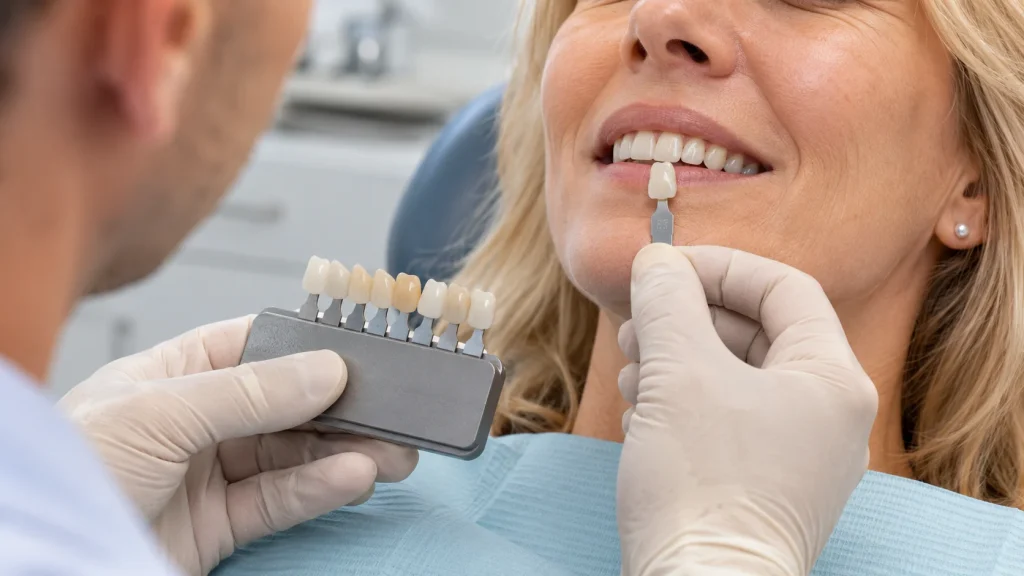
Different whitening methods use different approaches to improve tooth colour. Some chemically bleach natural teeth, while others primarily remove stains from the surface.
Comparing these treatments requires looking at the initial result, treatment duration, maintenance requirements, and suitability for your teeth.
| Whitening Method | How It Works | What to Expect From Longevity |
|---|---|---|
| Professional in-office whitening | Dentist-applied bleaching agents | Results may remain noticeable for months or years, but individual outcomes vary |
| Dentist-supervised home trays | Bleaching gel used in fitted trays according to a treatment plan | Results can be maintained over time; no fixed duration applies to everyone |
| Over-the-counter whitening strips | Usually peroxide-based bleaching products | Duration varies by formulation, use, initial shade, and individual habits |
| Whitening toothpaste | Primarily removes external surface stains | May help manage new surface stains with ongoing appropriate use; not equivalent to professional bleaching |
| Whitening mouthwash | Varies by ingredients and intended use | Effects vary and should not be assumed to provide lasting professional-level bleaching |
It is not possible to reliably rank every whitening method by how long the effects last without considering the individual products and the patient.
Professional In-Office Teeth Whitening
Professional teeth whitening is carried out in a dental setting, typically using peroxide-based bleaching agents under clinical supervision.
The dentist first assesses your oral health and determines whether the treatment is appropriate.
In-office treatment may produce a noticeable colour change during a relatively short treatment course, sometimes within a single appointment.
However, faster visible results do not automatically mean that in-office whitening will last longer than every dentist-supervised home treatment.
The longevity of the result depends on the initial response, the type of discolouration, maintenance habits, and individual dental circumstances.
Your dentist can explain the expected outcome and whether future maintenance may be necessary.
Dentist-Supervised Take-Home Whitening Trays
Take-home whitening systems prescribed by a dentist usually involve fitted trays and bleaching gel used according to a specific schedule.
Whitening takes place gradually over several days or weeks rather than during one appointment.
The advantage of dental supervision is that the clinician can assess the cause of staining, recommend an appropriate product, and explain how to use it safely.
The results can remain visible after the initial treatment course, but their duration varies.
Patients should not restart a previous bleaching schedule automatically when their teeth become slightly darker. Any touch-up should follow the dentist’s guidance.
Over-the-Counter Whitening Strips and Gels
Whitening strips and gels are available in different formulations and strengths.
Many use peroxide-based ingredients to lighten natural tooth colour, although their effectiveness and instructions differ between products.
Results depend on factors such as product composition, correct use, the condition of the teeth, and the type of discolouration.
Using strips more frequently or leaving a whitening gel on longer than instructed does not guarantee longer-lasting results.
Overuse can increase tooth sensitivity and gum irritation.
Whitening Toothpaste
Most whitening toothpastes work primarily by removing external stains through cleaning or polishing ingredients.
Some products contain additional whitening agents, but ordinary stain-removing toothpaste should not be treated as equivalent to peroxide-based dental bleaching.
Whitening toothpaste may help manage the appearance of surface staining when used appropriately, but it does not guarantee that the shade achieved through professional whitening will remain unchanged.
Choose a toothpaste suitable for your oral health needs and avoid excessively abrasive products.
Why Do Teeth Become Yellow Again After Whitening?
Teeth can gradually appear darker again because whitening does not stop future surface staining or all biological changes affecting tooth colour.
The reason for discolouration matters, as different causes may require different treatments.
1. Coffee, Tea, and Other Staining Drinks
Coffee, black tea, red wine, and certain other beverages contain compounds associated with external tooth staining.
Repeated exposure may contribute to the gradual return of visible stains.
However, having one cup of coffee does not automatically reverse professional bleaching.
Consider your overall consumption habits rather than treating every coloured beverage as a cause of immediate treatment failure.
2. Smoking and Tobacco Products
Tobacco use can contribute to yellow and brown tooth staining.
Smoking also affects gum health and increases the risk of other oral health conditions.
Avoiding tobacco can support oral health while reducing exposure to a common cause of external discolouration.
3. Plaque and Surface Stain Accumulation
Plaque and external deposits can make teeth appear less clean or bright.
Consistent oral hygiene helps control plaque, while professional dental cleaning can remove certain deposits that ordinary brushing cannot eliminate.
Professional cleaning and chemical bleaching serve different purposes, so they should not be considered interchangeable treatments.
4. Natural Ageing and Changes in Tooth Structure
Tooth colour can change over time due to ageing, wear, and changes in the appearance of enamel and underlying dentine.
Because whitening does not prevent these processes, the brightness achieved immediately after treatment may not remain identical indefinitely.
5. Intrinsic Discolouration
Some stains originate within the tooth structure rather than on the surface.
Examples include certain medication-related colour changes, developmental conditions, and discolouration following dental trauma.
These stains can respond differently to bleaching, and some may require alternative treatments.
If one tooth becomes unexpectedly darker than the surrounding teeth, a dental assessment is more appropriate than repeatedly applying whitening products.
How to Make Teeth Whitening Last Longer
Although no maintenance routine can guarantee permanent results, everyday habits can help you manage new surface stains and protect your oral health.
Aftercare should be practical rather than excessively restrictive.
Brush Twice a Day With Fluoride Toothpaste
Regular brushing helps remove plaque and food debris from tooth surfaces.
Use fluoride toothpaste and a suitable toothbrush, following the cleaning technique recommended by your dental professional.
Do not brush more aggressively to preserve whitening results. Excessive pressure can damage gum tissue and contribute to tooth wear.
Clean Between Your Teeth Daily
Floss or an appropriate interdental cleaning device can help remove deposits from areas a toothbrush cannot effectively reach.
Good interdental care supports healthy gums and the overall appearance of your teeth.
Reduce Frequent Exposure to Staining Drinks
If you regularly drink coffee, tea, or other beverages associated with staining, consider reducing prolonged exposure.
For example, drinking water between beverages may help clear residues from the mouth.
You do not necessarily need to eliminate all coloured foods and drinks to maintain whitening results.
Drink Water Regularly
Water is a convenient drink because it contains no added sugar or staining pigments.
Drinking water after meals may help rinse away food residues and support normal oral cleanliness.
It does not chemically whiten teeth or prevent every type of discolouration.
Attend Regular Dental Appointments
Routine dental examinations can identify plaque, gum inflammation, dental decay, and other conditions that may affect your oral health.
Professional cleaning may also improve the appearance of teeth when external stains or deposits are present.
Your dentist can help distinguish surface staining from discolouration that may benefit from whitening or another treatment.
Follow Your Dentist’s Aftercare Instructions
Whitening products and protocols have different instructions, and some patients experience temporary sensitivity.
Follow the advice provided for your particular treatment, including any guidance about eating, drinking, or using dental products.
For additional practical guidance, read our teeth whitening aftercare guide.
Does a White Diet Make Teeth Whitening Last Longer?
A white diet usually refers to avoiding deeply coloured foods and drinks for a short period after whitening.
Traditional post-whitening advice sometimes recommends this approach for 24 to 48 hours.
However, clinical reviews have not established that a strict white diet is necessary for everyone or that avoiding all pigments during this period significantly improves bleaching results.
This does not mean long-term staining habits are irrelevant. Frequent exposure to coffee, tea, tobacco, and other staining substances can still affect tooth appearance over time.
For many patients, maintaining a balanced diet and following personalised advice is more practical than avoiding a large number of nutritious foods.
If your dentist has recommended a particular restriction for your treatment, follow that instruction or ask why it applies to your case.
How Long Does It Take for Teeth Whitening Results to Settle?
The appearance of teeth immediately after bleaching may not perfectly represent the shade that will be seen after the initial recovery period.
Tooth hydration, temporary optical changes, and the whitening protocol can influence the appearance directly after treatment.
Some changes in shade may become apparent over the following days.
For this reason, dentists may recommend allowing the tooth colour to stabilise before making certain restorative decisions, such as selecting the final shade for a visible crown or filling.
This early change in appearance is different from the gradual development of new stains over months or years.
Do not assume that a slight colour change soon after treatment means whitening has failed.
When Should You Consider a Teeth Whitening Touch-Up?
A whitening touch-up is an additional treatment intended to refresh the appearance achieved by an earlier bleaching course.
It may be considered when the tooth shade has changed noticeably and the patient wants to restore some of the previous improvement.
However, there is no universal touch-up schedule that is appropriate for every person.
The timing depends on:
- The whitening method previously used
- The current condition of the teeth and gums
- The amount and cause of new discolouration
- Any history of tooth sensitivity
- The presence of crowns, veneers, or fillings
- The patient’s goals and treatment expectations
Before repeating bleaching, ask your dentist whether the colour change is due to surface staining, natural tooth shade, or another dental concern.
Signs That Your Whitening Results May Be Fading
Possible indications include:
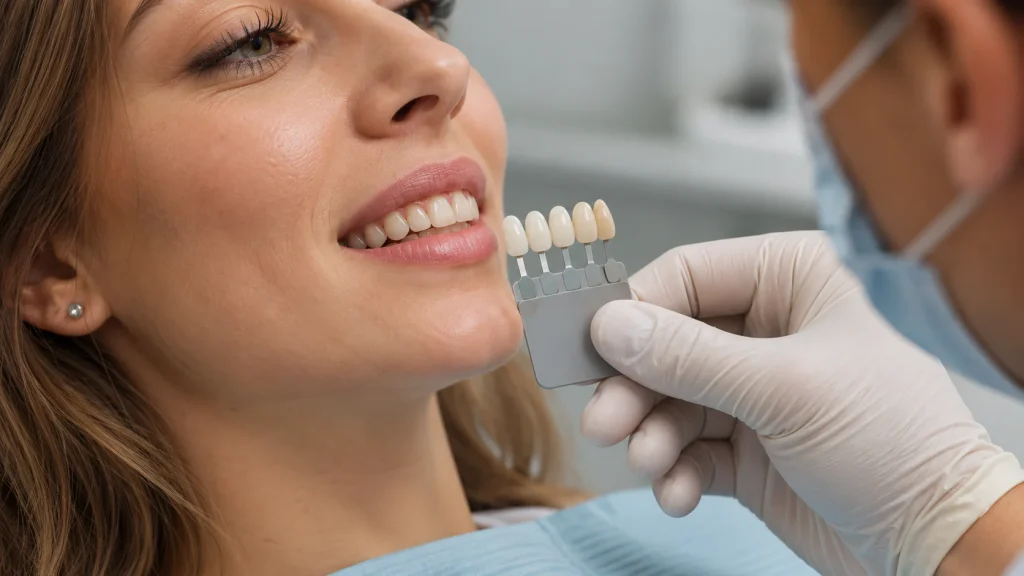
- Teeth gradually appearing less bright than after treatment
- New external stains becoming noticeable
- A gradual return toward the original tooth shade
- A desire to refresh results before an important occasion
These changes are not necessarily signs of a dental problem, but a professional examination can help identify their cause.
When You Should Avoid Repeating Whitening Without Advice
Do not begin another bleaching course without professional guidance if you have:
- Persistent tooth sensitivity
- Pain affecting one particular tooth
- Untreated cavities or gum problems
- Gum irritation following an earlier whitening course
- Unexplained changes in tooth colour
- Concerns about existing dental restorations
Repeating whitening too frequently or exceeding the recommended application time may increase sensitivity and oral tissue irritation.
More frequent treatment does not automatically produce a better or longer-lasting result.
Does Teeth Whitening Last Longer Than Veneers or Crowns?
Teeth whitening, veneers, and crowns are different dental treatments, so their results should not be compared solely by how long the appearance lasts.
Teeth whitening changes the colour of natural teeth through a bleaching process.
Dental veneers are restorations bonded to the front surfaces of selected teeth, while dental crowns cover a larger portion of the tooth or restore an implant.
Restorations do not respond to whitening agents in the same way as natural teeth.
This is important if you already have visible crowns, veneers, or tooth-coloured fillings.
| Treatment | Primary Purpose | Can Bleaching Change Its Colour? |
|---|---|---|
| Natural tooth whitening | Lighten natural tooth colour | Yes, when the tooth is suitable for bleaching |
| Porcelain veneer | Change visible tooth appearance | No, bleaching does not whiten the porcelain |
| Dental crown | Restore tooth shape, appearance, or function | No, restorative material does not bleach like natural enamel |
| Composite filling | Restore a damaged or decayed area | Generally does not change shade with bleaching |
If natural teeth become lighter while neighbouring restorations stay the same colour, a visible mismatch may develop.
Your dentist may recommend planning tooth whitening before certain cosmetic restorations so that a suitable final shade can be selected.
Can You Keep Your Teeth White Without Repeating Bleaching?
Some patients can maintain a satisfactory appearance for an extended period without additional bleaching.
Others may notice new staining and prefer a professional cleaning or a dentist-approved touch-up.
The best approach depends on the cause of the discolouration.
If plaque or external surface stains are responsible, professional cleaning may be sufficient to improve appearance.
If the natural tooth shade has gradually darkened, bleaching may be an option after a dental assessment.
Avoid assuming that every change in tooth colour requires another whitening treatment.
Is Repeated Teeth Whitening Safe?
Teeth whitening can be effective when the treatment is appropriate and bleaching products are used correctly.
However, repeated or excessive use can increase the risk of tooth sensitivity and gum irritation.
The safety of repeating a treatment depends on the product, concentration, application time, and the patient’s dental health.
Do not combine several whitening products or increase the treatment frequency without appropriate advice.
Patients with exposed roots, untreated decay, gum disease, or existing sensitivity should obtain a dental assessment before undergoing further bleaching.
Frequently Asked Questions About How Long Teeth Whitening Lasts
How long does professional teeth whitening last?
Professional whitening results may remain visible for months or years. The NHS notes that the effects may last around three years when dental advice is followed, although individual results vary and no duration is guaranteed.
Does teeth whitening last forever?
No. Whitening results are not permanent. Natural ageing, dietary habits, tobacco exposure, and other factors may gradually affect the appearance of the teeth.
How long does laser teeth whitening last?
There is no universally established duration for laser-assisted whitening. Its longevity depends on the bleaching treatment, tooth characteristics, and subsequent habits. Using a light or laser does not guarantee that results will last longer.
How long do whitening strips last?
The results of whitening strips vary depending on the product, treatment instructions, starting shade, and individual circumstances. Follow the manufacturer’s directions and avoid repeating treatment more often than recommended.
Why are my teeth yellow again after whitening?
New external stains, natural changes in tooth colour, or the original cause of discolouration may make teeth appear darker again. A dentist can help identify whether cleaning, whitening, or another treatment is appropriate.
Does drinking coffee make teeth whitening fade faster?
Frequent coffee consumption may contribute to external staining over time. However, one cup of coffee does not automatically reverse a bleaching treatment. Repeated habits and individual circumstances are more relevant than a single exposure.
How often should I whiten my teeth?
There is no universal schedule that suits everyone. The appropriate frequency depends on the product, previous treatment, tooth sensitivity, and current oral health. Ask your dentist before repeating professional or home bleaching.
Can whitening toothpaste maintain professional teeth whitening results?
Whitening toothpaste may help manage surface stains, but most formulations primarily clean the tooth surface rather than replicate professional bleaching. Use a suitable toothpaste as directed.
Will my teeth return to their original colour?
They may gradually become darker, but the degree and timing of any change vary. It is not possible to predict that every person’s teeth will return to exactly the original shade within a particular period.
Do I need to avoid coffee and coloured foods for 48 hours?
A strict white diet is not universally required. Follow any instructions provided for your specific whitening method, and ask your dentist if the recommendations are unclear.
How long does teeth whitening sensitivity last?
Temporary sensitivity often improves within a few days after treatment, although experiences differ. Contact a dentist if the discomfort is severe, persistent, or getting worse.
Do dental crowns and veneers become whiter with bleaching?
No. Bleaching primarily changes natural tooth colour. Existing crowns, veneers, and many fillings do not lighten in the same way, so treatment may create a colour difference between teeth and restorations.
Can professional cleaning make teeth look white again?
Professional cleaning can remove some external surface stains and deposits. It does not chemically change the natural internal shade of teeth in the way bleaching can.
What is the best way to maintain teeth whitening results?
Follow your treatment instructions, brush twice daily with fluoride toothpaste, clean between your teeth, attend routine dental visits, and reduce frequent exposure to staining substances when practical.
When should I book another whitening appointment?
Consider a dental assessment if you notice a substantial change in colour or want to discuss a touch-up. A consultation is especially important if you have sensitivity, existing restorations, or unexplained discolouration.
Maintain a Brighter Smile With Alma Polyclinic Dubai
So, how long does teeth whitening last? Results can remain noticeable for several months or years, but no treatment can guarantee permanent brightness. Your initial tooth shade, whitening method, daily habits, and dental health all influence the outcome.
At Alma Polyclinic in Jumeirah, Dubai, the dental team can assess the causes of tooth discolouration, explain suitable whitening options, and discuss realistic expectations for maintenance.
Whether you are considering whitening for the first time or want to refresh previous results, an individual dental assessment can help you decide on the appropriate next step.
Ready to discuss your smile goals? Book a teeth whitening consultation at Alma Polyclinic for personalised recommendations.
Call: +97142666227
Website: almapolyclinic.com
Clinic Address: Villa 1033, Al Wasl Road, opposite Union Coop, Umm Suqeim, Dubai, United Arab Emirates.
Medical disclaimer: This article provides general educational information and does not replace professional dental advice. Whitening longevity, treatment suitability, sensitivity, and maintenance requirements vary between patients. Seek advice from a qualified dental professional before starting or repeating a whitening treatment.