
About the Author and Medical Reviewer
Learn more about the professionals responsible for writing and medically reviewing this article.

Alma Polyclinic Editorial Team
Medical Content Team at Alma Polyclinic
The Alma Polyclinic Editorial Team creates clear, patient-focused health content based on trusted medical sources and clinical guidance from our doctors.
View author profile
Dr. Tamara AK
General Dentist | Cosmetic & Aesthetic Dentistry at Alma Polyclinic
This article was reviewed for clinical accuracy, relevance and patient safety by Dr. Tamara AK.
View doctor profileHave you ever heard that bleeding gums are normal, root canals are extremely painful, or brushing harder makes your teeth cleaner? These are just a few of the common dental myths that can influence how people care for their teeth.
Dental misinformation spreads quickly through social media, family advice, and outdated beliefs. Some myths are relatively harmless, but others can cause people to delay treatment, use unsuitable products, or ignore early signs of dental disease.
What are the most common dental myths? Many people believe that cavities always hurt, flossing is unnecessary, sugar-free drinks cannot damage teeth, and dental implants last forever. In reality, oral health is more complex. Understanding the facts helps you make better decisions about prevention, treatment, and long-term dental care.
At Alma Polyclinic Dubai, our dental team believes that patient education is an important part of maintaining healthy teeth and gums. In this guide, we explain 15 common dental myths, the facts behind them, and practical steps you can take to protect your smile.
15 Common Dental Myths and the Facts Behind Them
Before exploring each misconception in detail, here is a quick comparison of some of the most common beliefs about dental health.
| Common Dental Myth | What You Should Know |
|---|---|
| If my teeth do not hurt, they are healthy. | Tooth decay and gum disease can develop without noticeable pain. |
| Bleeding gums are normal. | Persistent bleeding can indicate inflammation or another dental concern. |
| Brushing harder cleans teeth better. | Excessive brushing pressure can contribute to gum and tooth wear. |
| Only sugary sweets cause cavities. | Many foods and drinks contain sugars or fermentable carbohydrates that contribute to decay. |
| Sugar-free soft drinks are harmless. | Acidic drinks can contribute to enamel erosion even without sugar. |
| Flossing is unnecessary. | Cleaning between teeth helps remove plaque from areas a toothbrush cannot reach. |
| Mouthwash can replace brushing. | Mouthwash is an optional supplement, not a replacement for brushing and interdental cleaning. |
| Whitening toothpaste works like professional bleaching. | Most whitening toothpastes mainly remove surface stains. |
| Natural whitening remedies are always safe. | Acidic or abrasive DIY products can damage dental tissues. |
| Root canals are extremely painful. | Modern root canal treatment is generally performed with local anaesthesia to relieve pain and treat infection. |
| Baby teeth do not matter. | Primary teeth are important for eating, speech, and dental development. |
| Dental X-rays are always dangerous. | Dental imaging involves radiation but is selected according to clinical need, with measures to minimise exposure. |
| Dental implants last forever. | Implants are long-term restorations that can still develop complications or require maintenance. |
| Everyone needs a check-up every six months. | Check-up intervals should reflect individual oral health risks. |
| Dental implants are always better than bridges. | Each tooth replacement method has benefits and limitations. |
Myth 1: If Your Teeth Do Not Hurt, They Must Be Healthy
Myth: You only need to see a dentist when you experience pain or another noticeable problem.
Fact: Dental problems can develop without causing pain in their early stages.
Tooth decay may begin as changes in enamel before progressing into a visible cavity. Gum disease can also develop gradually, sometimes with little discomfort.
Waiting until pain appears may allow a relatively small problem to become more complex.
For example, an early cavity may be managed with preventive care or a simple restoration, while deeper decay affecting the dental pulp may require root canal treatment or extraction.
What should you do? Attend dental examinations at intervals recommended for your individual needs, even when your teeth feel normal.
For patients looking for preventive care, our family dentistry services in Jumeirah focus on oral examinations, prevention, and early identification of dental problems.
Myth 2: Bleeding Gums Are Normal When Brushing or Flossing
Myth: If your gums bleed, it means you should stop brushing or flossing that area.
Fact: Bleeding gums can be an early sign of gingivitis or another oral health concern.
Gingivitis is commonly caused by plaque accumulating along the gumline. The gums may become red, swollen, tender, or more likely to bleed during cleaning.
Other possible causes include brushing too aggressively, changes during pregnancy, certain medications, and underlying health conditions.
If you have recently started flossing, mild bleeding may occur initially, but persistent bleeding should not be ignored.
How to Care for Bleeding Gums
- Continue gentle brushing with a soft-bristled toothbrush.
- Clean between your teeth daily using a suitable method.
- Avoid excessive pressure on irritated gum tissue.
- Arrange a dental examination if bleeding continues or is accompanied by swelling or pain.
Professional dental cleaning may be recommended when plaque or hardened tartar is contributing to gum inflammation.
Learn about professional teeth cleaning in Dubai at Alma Polyclinic.
Myth 3: Brushing Harder Makes Your Teeth Cleaner
Myth: The more force you use when brushing, the cleaner and whiter your teeth become.
Fact: Excessive brushing pressure does not improve oral hygiene and may contribute to tooth abrasion and gum recession.
Effective brushing depends on technique, duration, consistency, and cleaning all tooth surfaces.
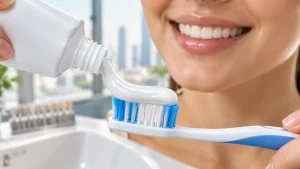
For most adults, a soft or medium-bristled toothbrush and fluoride toothpaste are appropriate.
The recommended routine generally includes brushing twice daily for approximately two minutes.
Whether you use an electric or manual toothbrush, careful cleaning is more important than applying force.
Better Brushing Habits
- Use a soft-bristled toothbrush if your gums or teeth are sensitive.
- Apply gentle pressure instead of scrubbing aggressively.
- Brush the front, back, and chewing surfaces of your teeth.
- Use fluoride toothpaste suitable for your age and oral health needs.
- Replace your toothbrush or brush head when the bristles become worn.
If you notice gum recession or persistent sensitivity, ask your dentist to assess your brushing technique and look for other possible causes.
Myth 4: Sugar Is the Only Cause of Tooth Decay
Myth: Cavities only develop when someone eats too much candy or chocolate.
Fact: Tooth decay results from interactions between oral bacteria, fermentable carbohydrates, the tooth surface, and time.
Bacteria in dental plaque use sugars and other fermentable carbohydrates to produce acids. Repeated acid exposure can remove minerals from enamel and eventually lead to cavities.
Sugary sweets are one source of these carbohydrates, but they are not the only concern.
Sweetened drinks, flavoured yoghurts, biscuits, breakfast cereals, and other foods may contribute to tooth decay depending on their composition and how frequently they are consumed.
The frequency of sugar exposure also matters.
For example, repeatedly sipping a sugary drink throughout the day may expose teeth to acid production more frequently than consuming the same drink during a single meal.
What should you do? Limit frequent sugary snacks and drinks, maintain good oral hygiene, and use fluoride toothpaste.
Myth 5: Sugar-Free Soft Drinks Cannot Damage Teeth
Myth: Diet soda and sugar-free fizzy drinks are completely safe for your teeth because they contain no sugar.
Fact: Many sugar-free drinks are acidic and may contribute to dental erosion.
Tooth erosion occurs when acids directly dissolve minerals from the tooth surface.
This is different from tooth decay, which involves acids produced by oral bacteria.
Even without sugar, some carbonated drinks and citrus-flavoured beverages can expose teeth to acids.
Repeated exposure may contribute to enamel wear and sensitivity.
How to Reduce the Effects of Acidic Drinks
- Choose plain water as your main everyday drink.
- Reduce frequent consumption of acidic beverages.
- Avoid holding or swishing acidic drinks in your mouth.
- Have acidic drinks with meals rather than sipping them continuously.
- Allow time after acidic foods or drinks before brushing, following dental guidance.
If you notice increased sensitivity or changes in the appearance of your teeth, a dentist can assess whether erosion is contributing.
Myth 6: Flossing Is Unnecessary If You Brush Twice a Day
Myth: A toothbrush can clean every part of your teeth, so flossing provides no additional benefit.
Fact: Toothbrush bristles cannot reliably clean all the spaces between neighbouring teeth.
Dental plaque and food debris can accumulate in these areas even when the visible surfaces of your teeth appear clean.
Cleaning between teeth helps control plaque and supports gum health.
Floss is one option, but it is not the only method.
Depending on the spaces between your teeth, your dentist or hygienist may recommend:
- Traditional dental floss
- Dental tape
- Interdental brushes
- Other suitable interdental cleaning devices
The most appropriate technique depends on tooth spacing, gum condition, and existing restorations.
For people with braces, bridges, or dental implants, specialised cleaning tools may be particularly helpful.
Myth 7: Mouthwash Can Replace Brushing and Flossing
Myth: Using mouthwash every day is enough to keep your teeth and gums healthy.
Fact: Mouthwash can supplement oral hygiene, but it does not replace effective plaque removal.
Brushing physically removes plaque from tooth surfaces, while floss and interdental brushes help clean between teeth.
Some mouthwashes contain fluoride or other active ingredients that may provide additional benefits when used appropriately.
However, not every patient needs mouthwash.
If you use fluoride mouthwash, consider using it at a different time from brushing rather than immediately afterwards.
Rinsing directly after brushing can wash away concentrated fluoride left by toothpaste.
For most people, the foundation of oral hygiene remains twice-daily fluoride brushing, daily interdental cleaning, and appropriate dental examinations.
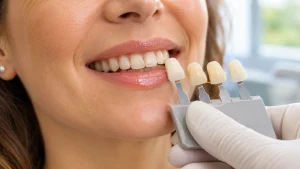
Myth 8: Whitening Toothpaste Works Just Like Professional Teeth Whitening
Myth: A whitening toothpaste can produce the same results as professional dental bleaching.
Fact: Most whitening toothpastes mainly remove stains from the external surface of teeth.
These products often contain polishing ingredients that help remove deposits associated with coffee, tea, tobacco, and certain foods.
Professional whitening generally uses peroxide-based bleaching agents to change the appearance of suitable natural teeth.
Although some toothpastes contain chemical whitening ingredients, their effects should not automatically be compared with professional bleaching treatments.
Importantly, whitening does not affect the colour of crowns, veneers, and fillings in the same way as natural teeth.
If you are concerned about deeper discolouration, explore our professional teeth whitening in Dubai service.
For practical guidance after bleaching, see teeth whitening aftercare tips.
Myth 9: Natural Teeth Whitening Remedies Are Always Safe
Myth: Lemon juice, charcoal powder, and homemade whitening mixtures are safe because they contain natural ingredients.
Fact: Natural origin does not guarantee safety or effectiveness for dental use.
Lemon juice and other acidic substances can contribute to enamel erosion.
Some charcoal-based or abrasive products may cause unnecessary surface wear, particularly when combined with aggressive brushing.
There is also insufficient reliable evidence that charcoal-based oral care products provide superior whitening benefits with adequate long-term safety.
Removing or wearing away enamel is not a safe way to make teeth appear whiter. Lost enamel does not regenerate naturally.
Instead of experimenting with DIY whitening mixtures, ask a dentist whether surface-stain removal, professional cleaning, or bleaching is appropriate.
Read our guide to teeth whitening at home to understand the limitations of popular home whitening claims.
Myth 10: Root Canal Treatment Is Extremely Painful and Dangerous
Myth: Root canals are always painful, cause serious illness, and should be avoided whenever possible.
Fact: Modern root canal treatment is an established procedure intended to treat inflammation or infection inside a tooth and preserve the natural tooth when possible.
Local anaesthesia is used to help patients remain comfortable during treatment.
Many patients associate root canals with pain because an infected or inflamed tooth can already be painful before treatment begins.
The procedure aims to remove the affected dental pulp, clean and disinfect the root canal system, and seal the tooth.
Temporary tenderness may occur afterwards, but severe or persistent pain should be evaluated.
Claims that properly performed root canal treatment causes cancer or systemic illness are not supported by reliable scientific evidence.
Is Extraction Better Than Root Canal Treatment?
Not necessarily.
If a natural tooth can be predictably restored, root canal treatment followed by an appropriate restoration may preserve it for many years.
Extraction may be necessary when a tooth is severely fractured, extensively damaged, or otherwise not restorable.
For a detailed comparison, read root canal vs tooth extraction.
Myth 11: Baby Teeth Do Not Matter Because They Eventually Fall Out
Myth: Children do not need much dental care until their permanent teeth appear.
Fact: Primary teeth play an important role in childhood development.
Baby teeth support chewing, speech development, and the maintenance of space for permanent teeth.
Untreated cavities in primary teeth can cause pain, infection, difficulty eating, and other complications.
Early loss of certain baby teeth may also affect the space available for permanent teeth.
Parents should begin cleaning children’s teeth as soon as they erupt and establish preventive dental care early.
The first dental visit is generally recommended when the first tooth appears or by the child’s first birthday.
Read more about the importance of pediatric dentistry and the role of early preventive care.
Myth 12: Dental X-Rays Are Always Dangerous
Myth: Every dental X-ray exposes patients to an unacceptable health risk and should be avoided.
Fact: Dental X-rays involve ionising radiation, but modern dental imaging uses techniques designed to minimise exposure while providing useful diagnostic information.
X-rays can reveal problems that are not always visible during a routine examination, including:
- Cavities between teeth
- Infections involving tooth roots
- Changes in supporting bone
- Impacted teeth
- Other hidden dental or jaw conditions
However, X-rays should not be taken unnecessarily.
The dentist should decide whether imaging is needed based on clinical examination, symptoms, dental history, age, and individual risk factors.
Different imaging techniques, such as ordinary dental radiographs and cone-beam CT scans, involve different levels of radiation exposure and should be selected according to clinical need.
Always inform your dental team if you are pregnant or think you may be pregnant so they can make appropriate clinical decisions.
Myth 13: Dental Implants Last Forever and Require No Maintenance
Myth: Once you receive a dental implant, you never need to worry about that tooth again.
Fact: Dental implants are intended as long-term tooth replacements, but they can develop biological or mechanical complications.
An implant is surgically placed into the jawbone and supports an artificial tooth or another dental restoration.
Although the implant fixture may remain functional for many years, the crown or other prosthetic components may eventually require repair or replacement.
Inflammation and bone loss can also occur around implants, particularly when plaque control and maintenance are inadequate.
Implant patients should continue brushing, interdental cleaning, and professional examinations.
For more information, read how long dental implants last and the factors that influence their lifespan.
Myth 14: Everyone Needs a Dental Check-Up Every Six Months
Myth: Every person should see a dentist exactly twice a year, regardless of their oral health.
Fact: Dental examination intervals should reflect individual risk rather than follow one universal schedule.
Patients with active gum disease, frequent cavities, or other concerns may need more frequent assessments.
People with stable oral health and a low risk of dental disease may be advised to attend less frequently.
Your dentist should consider:
- Your history of cavities and fillings
- Gum health and previous periodontal treatment
- Current symptoms
- Medical conditions and medications
- Oral hygiene habits
- Smoking and dietary risk factors
- Existing dental restorations and implants
The important point is to follow a personalised recall schedule and arrange an earlier appointment whenever new symptoms develop.
Myth 15: Dental Implants Are Always Better Than Dental Bridges
Myth: Dental implants are automatically the best option for every missing tooth.
Fact: Dental implants and dental bridges both have advantages and limitations. Neither is universally the best treatment for every patient.
A dental implant replaces a missing tooth root with a fixture placed into the jawbone. It can support an individual crown without routinely requiring the neighbouring healthy teeth to be prepared.
A conventional dental bridge replaces a missing tooth by using neighbouring teeth as supports.
Bridges can be an appropriate solution when supporting teeth already require crowns, when surgery is unsuitable, or when a patient prefers a shorter non-surgical treatment.
Dental Implants vs Dental Bridges: Key Differences
| Feature | Dental Implants | Dental Bridges |
|---|---|---|
| Support | Implant fixture placed in jawbone | Usually neighbouring natural teeth |
| Impact on adjacent teeth | Usually avoids preparing healthy neighbouring teeth | Conventional bridges generally require preparation of supporting teeth |
| Surgery | Required in most cases | Usually not required |
| Treatment duration | Often several months | Generally shorter |
| Bone considerations | Requires suitable bone support | Does not replace the missing tooth root |
| Initial cost | Often higher | May have a lower initial cost |
| Maintenance | Daily cleaning and professional implant monitoring | Cleaning around supporting teeth and beneath the artificial tooth |
Dental implants can be particularly beneficial when the neighbouring teeth are healthy and sufficient supporting bone is available.
Bridges may be preferable in selected situations involving existing crowns, medical limitations, treatment duration, or patient preferences.
At Alma Polyclinic, treatment planning should be based on the condition of your teeth, gums, jawbone, bite, and overall health.
Explore our dental implants in Dubai service or our complete dental implant patient guide to learn more about available tooth replacement options.
Why Do Dental Myths Continue to Spread?
Dental myths often survive because they are easy to remember and may appear to match personal experiences.
For example, someone who had a painful dental appointment years ago may assume that modern dental procedures are always painful.
Similarly, people who notice bleeding after flossing may conclude that flossing caused the problem rather than considering existing gum inflammation.
Social media can also spread misleading claims about DIY whitening, charcoal toothpaste, dental implants, and root canal treatment.
Before following dental advice found online, consider whether it comes from a qualified healthcare professional, whether the claim is supported by credible evidence, and whether it applies to your individual oral health.
When in doubt, ask your dentist for an explanation of the benefits, risks, and alternatives.
How to Protect Your Teeth With Evidence-Based Dental Care
Most people do not need complicated oral care routines to maintain healthy teeth and gums.
The following habits provide a practical foundation for everyday dental health.
| Daily or Regular Habit | Why It Matters |
|---|---|
| Brush twice daily with fluoride toothpaste | Helps control plaque and reduce tooth decay risk |
| Clean between teeth every day | Removes plaque from areas a toothbrush cannot reach effectively |
| Limit frequent sugary snacks and drinks | Reduces repeated acid production associated with tooth decay |
| Choose water regularly | Helps reduce frequent exposure to sugary or acidic beverages |
| Avoid smoking and tobacco products | Supports gum health and reduces other oral health risks |
| Attend personalised dental check-ups | Supports early detection and preventive care |
| Ask before trying DIY dental treatments | Helps avoid unsuitable products and unnecessary dental damage |
If you are looking for a preventive dental consultation, learn more about choosing a good dentist in Dubai and the factors that contribute to trusted dental care.
When Should You See a Dentist Instead of Relying on Home Remedies?
Some dental symptoms require professional evaluation rather than treatment with home remedies or over-the-counter products.
Arrange a dental examination if you experience:
- Toothache that persists or becomes worse
- Repeated bleeding or swollen gums
- Persistent bad breath despite good oral hygiene
- Tooth sensitivity concentrated in one area
- A broken tooth or damaged restoration
- A loose adult tooth
- Swelling, pus, or an unpleasant taste associated with dental pain
- A noticeable change in the colour of one tooth
Seek urgent dental care for severe pain, spreading swelling, or symptoms of a serious infection. Difficulty breathing or swallowing, rapidly spreading facial or neck swelling, or uncontrolled bleeding requires emergency medical attention.
For more information about urgent symptoms, see how to handle a dental emergency.
Why Choose Alma Polyclinic for Trusted Dental Advice in Dubai?
At Alma Polyclinic in Jumeirah, Dubai, patient education is part of the dental consultation process.
Our dental team provides preventive, restorative, cosmetic, and specialised dental treatments, with recommendations based on individual oral health needs.
Personalised Dental Examinations
Rather than assuming every patient needs the same treatment, our approach begins with understanding the condition of your teeth and gums.
A dental examination can help identify problems such as cavities, gum inflammation, tooth wear, and existing restoration concerns.
Clear Explanations of Dental Treatment Options
Patients should understand why a procedure is recommended, how it works, and what alternatives may be available.
Whether you need professional cleaning, root canal treatment, cosmetic dentistry, or a missing-tooth replacement, a clear treatment discussion supports informed decision-making.
Preventive and Family Dental Care
Alma Polyclinic provides dental services for children and adults, including preventive check-ups, professional cleaning, restorative care, and cosmetic treatments.
For more information about our approach, visit our dental clinic in Jumeirah, Dubai page.
Frequently Asked Questions About Dental Myths
What are the most common dental myths?
Common misconceptions include believing that cavities always hurt, bleeding gums are normal, brushing harder is better, flossing is unnecessary, and root canal treatment causes serious illness. These claims do not accurately reflect modern dental evidence.
Can you have cavities without tooth pain?
Yes. Early tooth decay may not cause any symptoms. Regular dental examinations help detect problems before they develop into deeper cavities or infections.
Should I stop flossing if my gums bleed?
Not automatically. Bleeding may be associated with gum inflammation or incorrect technique. Continue gentle cleaning and arrange a dental examination if bleeding persists or is significant.
Is brushing three times a day better than twice?
Not necessarily. Brushing twice daily for approximately two minutes with fluoride toothpaste is a recommended foundation for most adults. Additional brushing should not involve excessive pressure or aggressive scrubbing.
Can sugar-free drinks damage enamel?
Yes. Some sugar-free carbonated drinks are acidic and may contribute to enamel erosion when consumed frequently.
Are root canals more painful than tooth extraction?
Modern root canal treatment is generally performed with local anaesthesia and is intended to relieve pain caused by inflammation or infection. The experience varies by patient and procedure. Extraction is not automatically the less painful or better option.
Are dental implants always better than bridges?
No. Implants may preserve healthy neighbouring tooth structure and provide independent support, while bridges can be appropriate when adjacent teeth need crowns or when surgery is unsuitable. Treatment selection depends on individual clinical needs.
Does charcoal toothpaste whiten teeth safely?
There is insufficient reliable evidence that charcoal toothpaste provides superior whitening benefits with established long-term safety. Some charcoal products may be abrasive and should not replace appropriate fluoride oral care.
Are dental X-rays necessary at every check-up?
No. Dental imaging should be recommended according to clinical findings, dental history, age, symptoms, and individual risk factors. Not every appointment requires an X-ray.
How often should I visit a dentist?
The appropriate interval depends on your oral health. Patients with higher risks may need more frequent examinations, while those with stable dental health may be advised to attend less often.
Can a dentist help me distinguish dental facts from myths?
Yes. A qualified dental professional can explain the evidence behind treatment recommendations, evaluate your individual condition, and help you avoid unnecessary or unsuitable procedures.
Book a Consultation Today at Alma Polyclinic Dubai
Dental myths should not prevent you from receiving appropriate care or understanding your treatment options.
Whether you have concerns about a cavity, bleeding gums, tooth whitening, root canal treatment, or replacing missing teeth, the dental team at Alma Polyclinic Dubai can help you understand the available options.
Ready to find out which treatment fits you best?
Book your free consultation through Alma Polyclinic (Dubai), where advanced dental technology meets gentle, personalised care.
Call: +97142666227
Clinic Address: Villa 1033, Al Wasl Road, opposite Union Coop, Umm Suqeim, Dubai, United Arab Emirates.
📞 Visit us online → https://almapolyclinic.com
Medical disclaimer: This article provides general dental education and does not replace a professional examination, diagnosis, or individual treatment plan. Treatment suitability and oral health needs vary between patients.